








Details of wastewater treatment solution for hazardous waste industry
Process introduction of hazardous waste management solution
With the development of industry, the number of hazardous wastes discharged from industrial production processes is increasing, such as production wastewater generated by incineration workshops, physical and chemical treatment workshops, comprehensive utilization workshops and tank areas.The treatment of wastewater in hazardous waste industry is difficult due to various reasons. These hazardous waste treatment wastewaters can also meet the emission standards after being treated by professional environmental protection companies.
According To The Operation Practice Of Hazardous Waste Comprehensive Disposal Sites At Home And Abroad, The Main Treatment Processes Used For Hazardous Waste Are:
① Physical/chemical treatment;
② Stabilization/solidification treatment;
③ Incineration treatment;
④ Safe landfill treatment.
The quality of wastewater generated by each process varies greatly.
In addition, the variety of hazardous wastes treated causes the wastewater in hazardous waste comprehensive disposal sites to have the characteristics of large changes in water quality and quantity, complex pollutant composition and difficulty in treatment.

Main characteristics and difficulties of physical and chemical wastewater
►Characteristics of Hazardous Waste Disposal Wastewater and Physical and Chemical Wastewater
Wastewater, waste salt and residue generated by hazardous waste industry have the characteristics of diverse sources, various types, complex composition, high content of toxic and harmful substances, serious environmental hazards and high treatment costs, which are difficult to treat, especially chemical waste salt and waste residue, which have complex composition, high toxicity and difficulty in treatment.

►Process Plan for Hazardous Wastewater Treatment:
Physical and chemical treatment is an important process in the disposal of hazardous waste. Its purpose is to reduce or even eliminate the harmfulness of liquid hazardous waste after treatment, and send it to the next process for final disposal. The physical and chemical process mainly treats hazardous wastes with high water content, low calorific value, and cannot be directly landfilled, such as heavy metal waste liquid, waste acid, waste alkali, waste emulsion, and cyanide waste liquid. Its drainage mainly comes from wastewater after physicochemical reactions such as oxidation, reduction, and neutralization. The drainage of this process contains high concentrations of COD, BOD and salt, as well as some waste oil pollutants.
Hazardous waste disposal wastewater can be generally classified into four categories: waste emulsion (emulsion wastewater), acid and alkali waste liquid, heavy metal wastewater (containing chromium, arsenic, mercury, and other heavy metal wastewater), and high-concentration organic waste liquid.

Waste emulsion evaporation crystallization treatment process

Acid and alkali waste liquid pretreatment + evaporation crystallization process

Heavy metal waste liquid treatment + evaporation crystallization process flow
Chromium-containing waste liquid pretreatment section + evaporation crystallization

Arsenic-containing waste liquid pretreatment section + evaporation crystallization

Mercury-containing waste liquid treatment section + evaporation crystallization

Other heavy metal wastewater + evaporation crystallization

Organic waste liquid treatment process + evaporation crystallization process

ENCO hazardous waste industry physicochemical wastewater treatment process
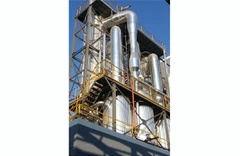
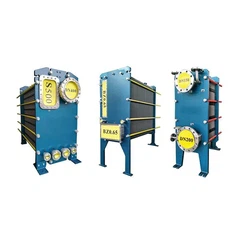
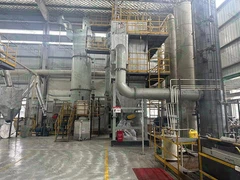
For the above hazardous waste disposal wastewater, waste emulsion (emulsion wastewater), acid and alkali wastewater, heavy metal wastewater (containing chromium, arsenic, mercury, other heavy metal wastewater), high-concentration organic wastewater, the subsequent treatment can be combined with the evaporation crystallization system designed by ENCO.
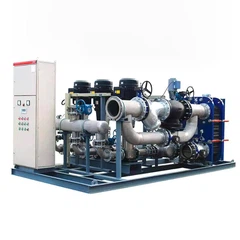
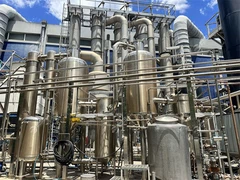
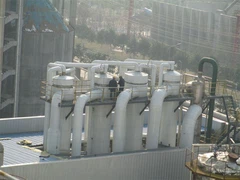
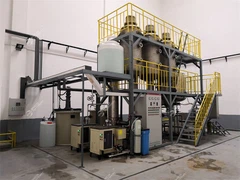
ENCO designs suitable MVR evaporation crystallization process or multi-effect crystallization process based on the information provided by the owner and many years of engineering experience to treat the physicochemical wastewater after physicochemical treatment. The produced water is reused in the production line, the concentrated water is merged into the evaporation system, and the crystallization is outsourced for treatment.
ENCO hazardous waste industry physicochemical wastewater treatment process selection principles:
1,When designing the evaporation and crystallization treatment process for hazardous waste physicochemical wastewater, try to select high-efficiency and low-consumption treatment processes to ensure that the treatment effect can meet the requirements;
2,The selected process must have strong adaptability, operational flexibility and compatibility to adapt to the changes in the quality of physicochemical wastewater;
3,Design hazardous waste physicochemical wastewater treatment equipment that is simple to operate, easy to operate, has stable effluent quality, and meets the standards;
4,Under the condition of meeting the requirements of the hazardous waste physicochemical wastewater treatment process, try to reduce project investment, save electricity consumption and operating expenses, and reduce operating costs and labor costs.
