








Industrial Centrifuge
Why Choose Us
Our Products
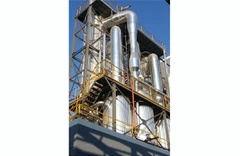
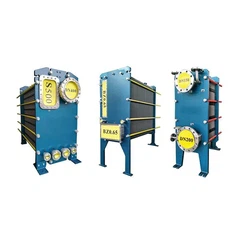
We specialize in designing and manufacturing multi-phase evaporators, MVR evaporators, industrial continuous crystallizers, extraction and concentration equipment, fermentation systems, steam compressors, dryers, filter presses, reaction equipment, and membrane filtration equipment.
Solutions
ENCO provides integrated solutions encompassing in-house engineering, manufacturing, modular system design, installation, commissioning, and O&M services. ENCO's modularization approach has proven to be cost-effective and time-saving, particularly for overseas projects.
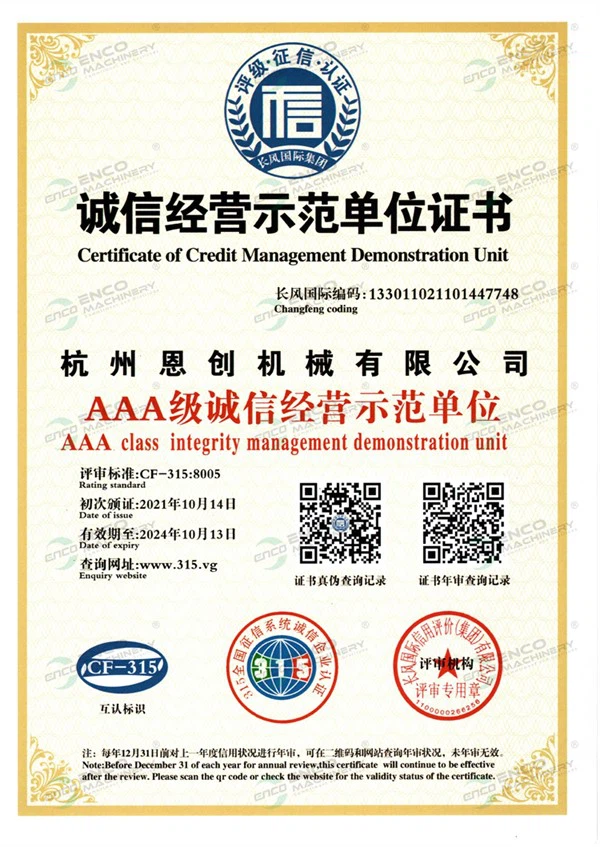
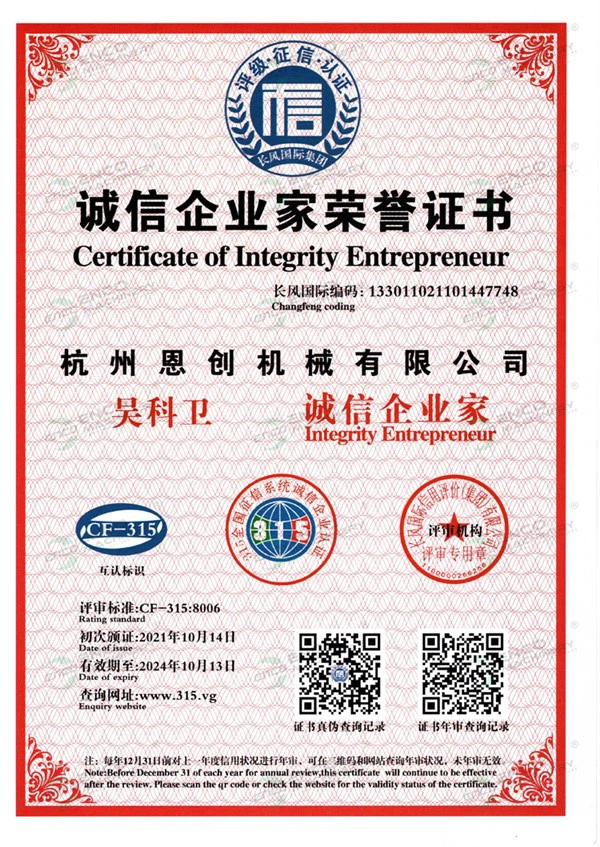
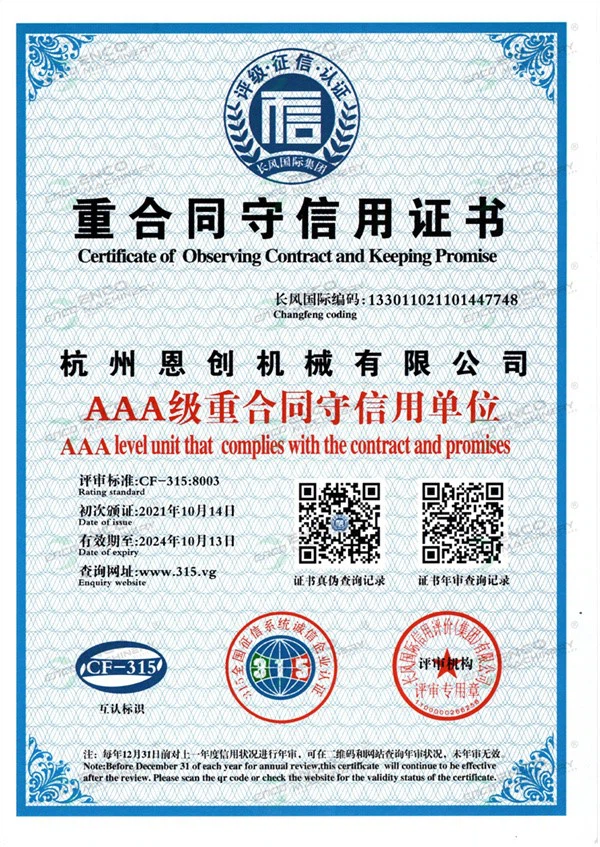
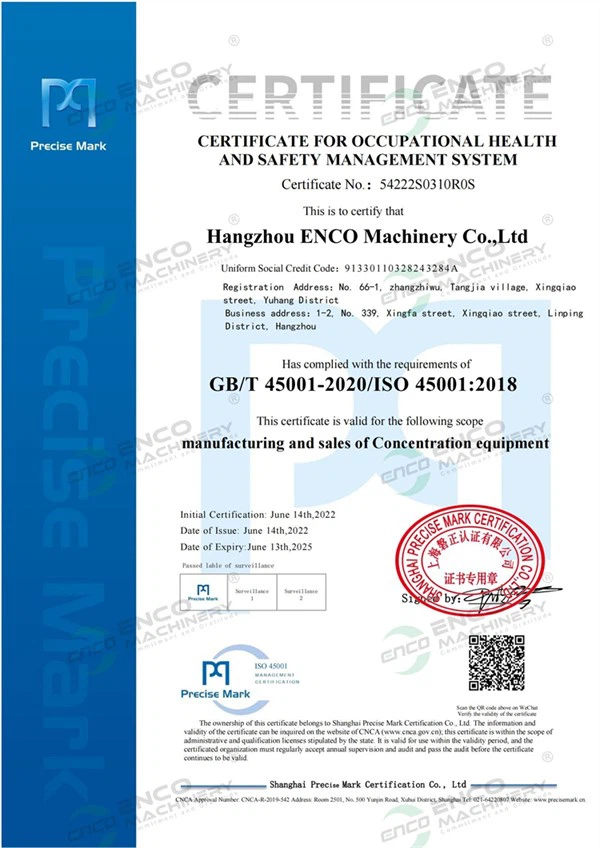
Our Certificates
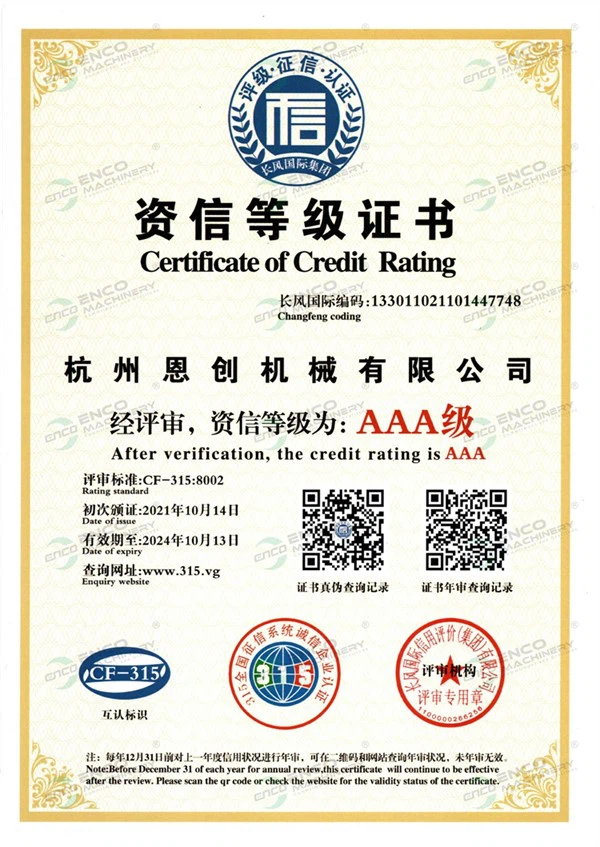
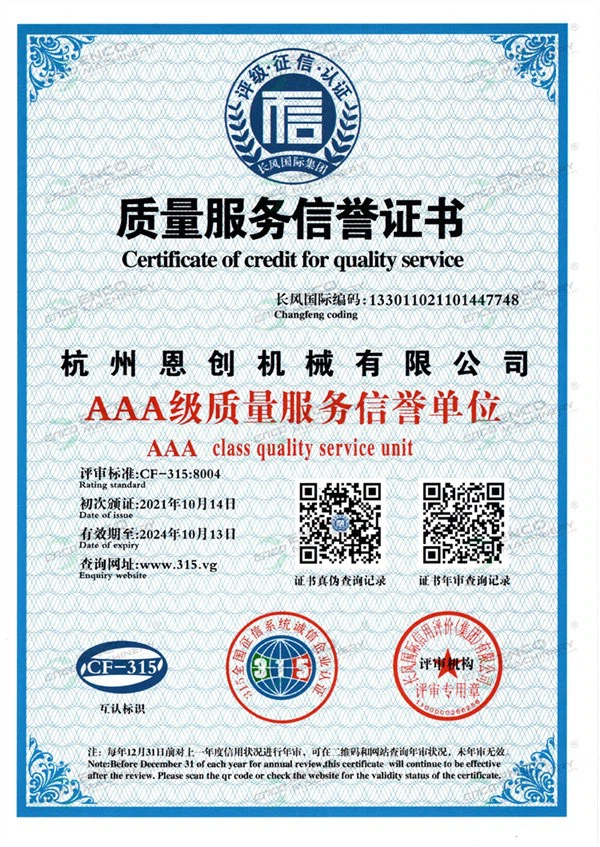
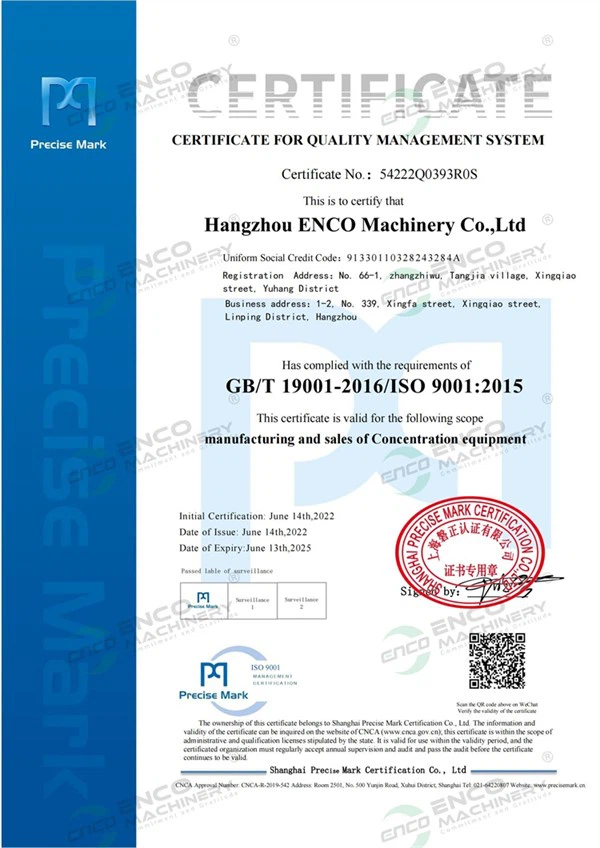
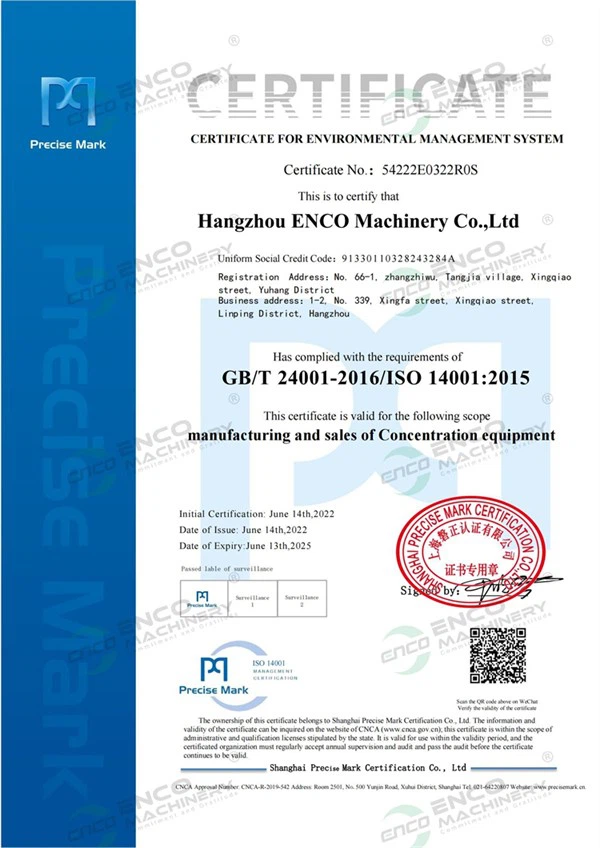
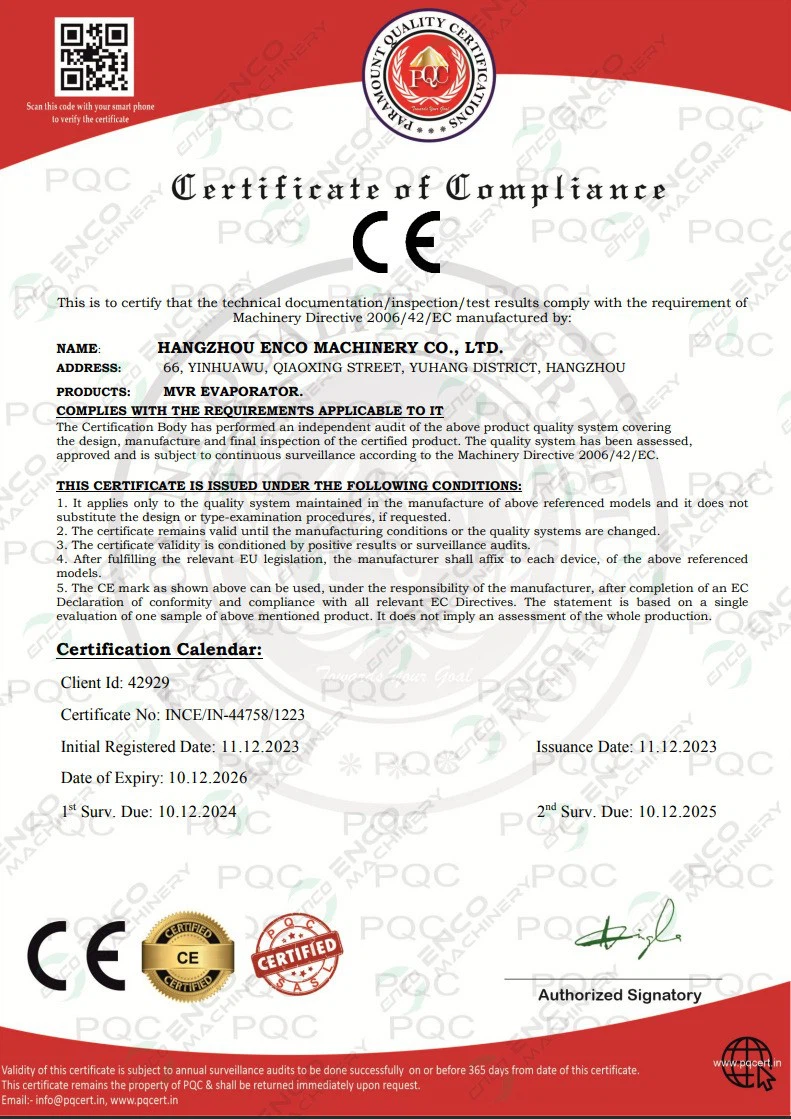
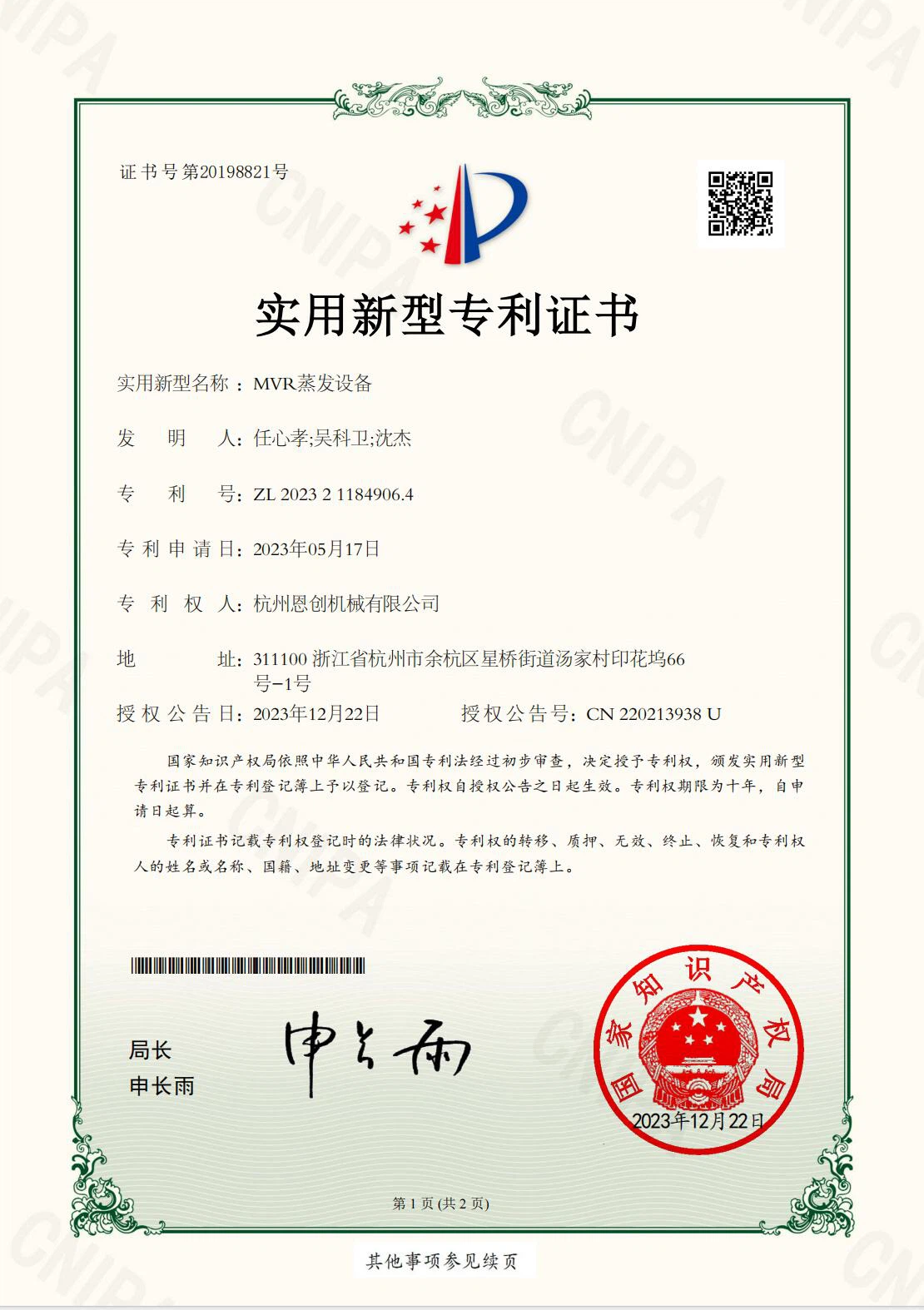
With 20 years of development, ENCO has obtained various industrial certifications, including ISO 14001, ISO 9001, ISO 45001, CE, and other IPs.
Sales Market
To date, ENCO has successfully completed over 500 industrial projects worldwide, spanning countries such as the USA, Australia, South Korea, Malaysia, Turkey, Jordan, Singapore, Kuwait, Mexico, and others.


What is Industrial Centrifuge?
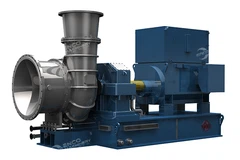
An industrial centrifuge is a machine that separates or purifies materials on large scale by using centrifugal force. Centrifuges function by spinning a sample at high speeds and separating the components of the sample based on density, size, or shape. Industrial centrifuges can be utilized for a variety of purposes, including the separation of liquids and solids, the purification of chemicals, and the separation of mixtures based on their qualities.
Types of Industrial Centrifuge
Sedimenting centrifuge
This type of centrifuge is used to separate solids from liquids based on the principle of sedimentation. It relies on the difference in density between the solid particles and the liquid to separate them. Sedimenting centrifuges are commonly used in wastewater treatment plants and mining industries.
Decanter centrifuge
Decanter centrifuges are specifically designed for solid-liquid separation in industrial processes. They utilize high rotational speeds to separate the solid particles from the liquid phase. The separated solids are discharged while the clarified liquid is collected.
Filtering centrifuge
Filtering centrifuges are used for separating solid particles from liquids by passing them through a filter cloth or mesh. The liquid passes through the filter medium, leaving the solid particles behind. This type of centrifuge is commonly used for separation processes in pharmaceutical, chemical, and food industries.
Disk-stack centrifuge
A disk-stack centrifuge is a high-speed separator that uses a series of stacked disks to enhance separation efficiency. The centrifugal force generated causes the heavy particles to move towards the outer edge of the disks, while the lighter phase collects in the center. Disk-stack centrifuges are widely used in the pharmaceutical, biotechnology, and dairy industries.
Tubular centrifuge
Tubular centrifuges are known for their ability to separate liquids with very similar densities. They consist of a long, narrow tube rotating at high speeds. The heavier phase migrates towards the tube wall, while the lighter phase remains in the center. Tubular centrifuges are commonly used in the chemical, pharmaceutical, and oil industries.
Perforate basket centrifuge
Perforate basket centrifuges are used primarily for dewatering solids from liquids. The solid-liquid mixture is fed into a rotating basket with perforations that allow the liquid to drain out while retaining the solid particles. Common applications of this type of centrifuge include the separation of liquids from industrial sludges and wastewater treatment.
Peeler centrifuge
Peeler centrifuges are specifically designed for solid-liquid separation in batch processes. The solids are retained on the inner wall of a rotating basket or screen while the liquid phase is continuously discharged. These centrifuges are commonly used in the chemical, pharmaceutical, and food industries.
Pusher centrifuge
Pusher centrifuges are used for continuous filtration and separation of solid-liquid mixtures. The drum of the centrifuge rotates while hydraulic pushers continuously transport the solid cake through the machine. Pusher centrifuges are widely used in the chemical, pharmaceutical, and mineral processing industries.
Components of Industrial Centrifuge
The separation system
It is the component of the centrifuge that separates the various substances based on their densities. It could consist of screens, filters, or other separating systems.
The driving system
It comprises of a motor and gearbox system that rapidly turns the drum or bowl.
The feed system
It transports the material to be separated into the centrifuge. It could be a feed pipe, a feed valve, or another type of feeding device.
The bowl or drum
This is the centrifuge's main component, and it is where the separation occurs. Stainless steel or another corrosion-resistant material is often used for the drum or bowl.
The control system
It is the component of the centrifuge that regulates its functioning, such as the speed and length of the separation process. A control panel, sensors, and other control devices may be included.
The discharge system
It removes the separated materials from the centrifuge. It could incorporate a discharge valve or another type of discharge mechanism.

Features of Industrial Centrifuges
Variable speed
Variable speed control is available on many industrial centrifuges, allowing the operator to modify the speed of the centrifuge based on the specific separation requirements.
High speed
Industrial centrifuges work at high speeds, often ranging from a few hundred to a few thousand revolutions per minute (RPM). The fast speed creates the centrifugal force that separates the substances.
Self-cleaning features
Some industrial centrifuges include self-cleaning abilities, such as automatic wash cycles, to help keep the centrifuge clean and free of contamination.
Automatic balancing
Some industrial centrifuges include automatic balancing systems that aid in the maintenance of a stable and balanced load while in operation. This can help to improve separation efficiency while also lowering the chance of mechanical failure.
Control panel
The majority of industrial centrifuges contain a control panel that allows the operator to regulate and monitor the centrifuge's operation. The control panel may contain buttons, switches, and displays for adjusting the speed, timing the separation process, and monitoring the centrifuge's operation.
Safety features
To protect the operator and the equipment, industrial centrifuges may have emergency stop buttons, safety interlocks, and other safety systems.
Application of Industrial Centrifuges
Oil and gas industry: Industrial centrifuges play a crucial role in the extraction, processing, and refining of oil and natural gas. They are used for separating oil, water, and gas mixtures, removing impurities and solids from drilling muds, and recovering valuable substances from production waste.
Environmental industry: Centrifuges are extensively used in wastewater treatment plants to separate solid sludge from liquid, allowing for the safe disposal or reuse of treated water. They are also used in hazardous waste management for separating hazardous substances from liquid or solid waste materials.
Chemical industry: Centrifuges are essential in the chemical industry for separating different components of chemical mixtures, such as separating solid catalyst particles from liquids or separating crystallized substances from solutions.
Food and beverage industry: Industrial centrifuges are used in food and beverage processing to separate liquids from solids, such as separating cream from milk or clarifying fruit juices. They are also employed for separating oils, fats, and proteins from various food products.
Oil and gas industry: Industrial centrifuges play a crucial role in the extraction, processing, and refining of oil and natural gas. They are used for separating oil, water, and gas mixtures, removing impurities and solids from drilling muds, and recovering valuable substances from production waste.
Mining industry: Industrial centrifuges play a significant role in the mining industry by separating valuable minerals from ore and extracting precious metals from mineral concentrates.
Biotechnology industry: Biotech companies utilize centrifuges for various applications such as separating cells, purifying enzymes, concentrating bacteria, and separating fermentation broths.
Textile industry: Centrifuges are used in the textile industry for dewatering and washing of fabrics, enhancing the efficiency of textile production processes.
Dairy industry: Industrial centrifuges are employed in the dairy industry for various purposes, including separating cream from milk, clarifying milk, and concentrating milk components.
Research laboratories: Centrifuges are extensively used in research laboratories for a wide range of applications, including cell separation, DNA/RNA extraction, protein purification, and separation of different biological fluids.

Regularly inspect and clean the centrifuge to ensure smooth operation and prevent buildup of dirt or debris.
Check for loose or damaged parts such as belts, bearings, and seals, and replace them as needed to prevent equipment failure.
Regularly lubricate moving parts to minimize friction and extend the lifespan of the centrifuge.
Monitor and maintain proper temperature and humidity levels in the area where the centrifuge is located to prevent damage to the equipment.
Ensure proper alignment of the centrifuge and its components to avoid excessive vibrations and reduce the risk of malfunction.
Regularly inspect and clean the filters and screens to prevent clogging and maintain optimal separation efficiency.
Perform routine calibration of the centrifuge to ensure accurate results and minimize error in the separation process.
Keep a record of maintenance activities, including dates, tasks performed, and any issues encountered, to track the condition and performance of the centrifuge.
Train and educate operators on proper handling and operation of the centrifuge to minimize the risk of accidents and promote efficient and effective use.
Regularly check and monitor the electrical connections and power supply to ensure stable and reliable operation of the centrifuge.
Following these maintenance tips will help ensure the smooth and efficient operation of industrial centrifuges, extending their lifespan and maximizing their performance.
1. The basic principle of an industrial centrifuge is that of centrifugal force. It utilizes the principle of spinning a container at high speeds to create a strong centrifugal force.
2. The centrifuge consists of a rotating drum or bowl, which is usually made of strong metal materials like stainless steel. This drum is the core component where the separation process takes place.
3. The substance mixture to be separated is introduced into the drum through an inlet pipe. The mixture can vary widely depending on the specific application, ranging from wastewater treatment to chemical processing.
4. Once inside the drum, the mixture is subjected to high-speed rotation. The drum spins rapidly, usually between 1,000 and 30,000 revolutions per minute (RPM), generating a powerful centrifugal force.
5. The centrifugal force causes the solids or liquids with higher density to move away from the center of the drum and towards the walls. Meanwhile, the lighter materials move closer to the center.
6. There are typically two outlets in the drum: one for the separated solids and another for the clarified liquid. These outlets are strategically placed to ensure efficient separation.
7. As the solid particles or denser liquid moves towards the walls of the drum, they gradually form a compact layer called a cake. The cake builds up as more and more particles are separated.
8. To remove the separated solids, the centrifuge is equipped with an internal moving mechanism. This mechanism scrapes or pushes the solid cake out of the drum through a separate outlet.
9. The clarified liquid, which usually contains only trace amounts of solid particles, is discharged through a separate outlet. This liquid is now free from the unwanted impurities present in the original mixture.
10. In some cases, additional steps may be employed to further purify the liquid. These can include additional centrifugation cycles or passing the liquid through filters to remove any remaining particles.
11. Industrial centrifuges can be operated in batch or continuous modes. In the batch mode, a fixed amount of mixture is processed at a time, while in the continuous mode, the incoming mixture is continuously fed into the centrifuge while the separated liquid and solids are continuously discharged.
12. Depending on the specific industry and application, industrial centrifuges can vary in size, capacity, and design. Some centrifuges are small enough to fit on a laboratory bench, while others are large and require considerable floor space.
Certifications
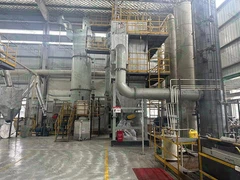
Our Factory
We focus on the design and manufacture of multi-phases evaporators, MVR evaporators, industrial continuous crystallizers, extraction and concentration equipment, fermentation, steam compressors, dryers, filter press, reaction equipment and membrane filtration equipment. With more than 20years experiences, we obtained many patents in this industry.

FAQ
We're well-known as one of the leading industrial centrifuge manufacturers and suppliers in China. Please rest assured to buy custom made industrial centrifuge from our factory. Contact us for more details.
Oslo Cooling Crystallizer, Vacuum Cooling Crystallizer, Filter Press