








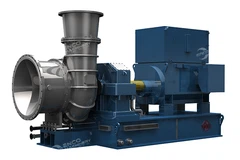
Filter Press
Why Choose Us
Our Products
We specialize in designing and manufacturing multi-phase evaporators, MVR evaporators, industrial continuous crystallizers, extraction and concentration equipment, fermentation systems, steam compressors, dryers, filter presses, reaction equipment, and membrane filtration equipment.
Solutions
ENCO provides integrated solutions encompassing in-house engineering, manufacturing, modular system design, installation, commissioning, and O&M services. ENCO's modularization approach has proven to be cost-effective and time-saving, particularly for overseas projects.
Our Certificates
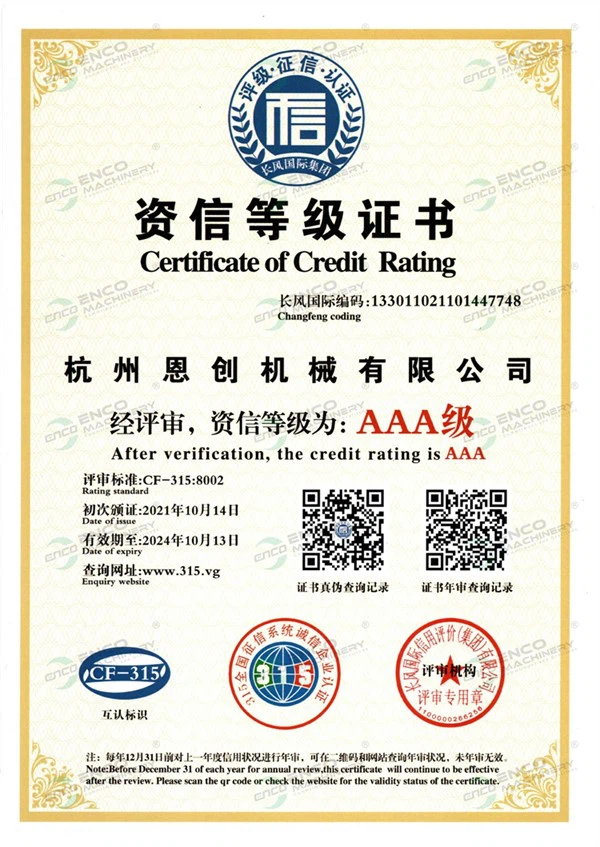
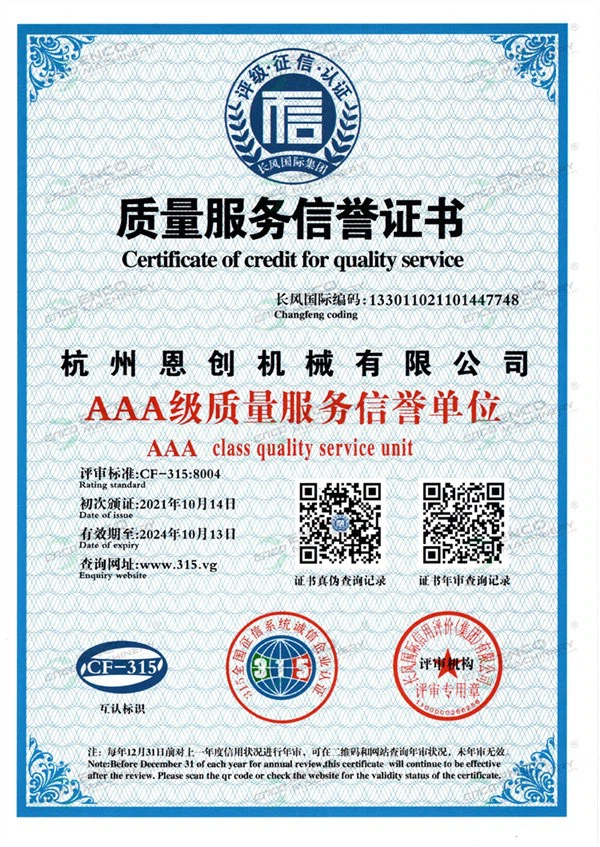
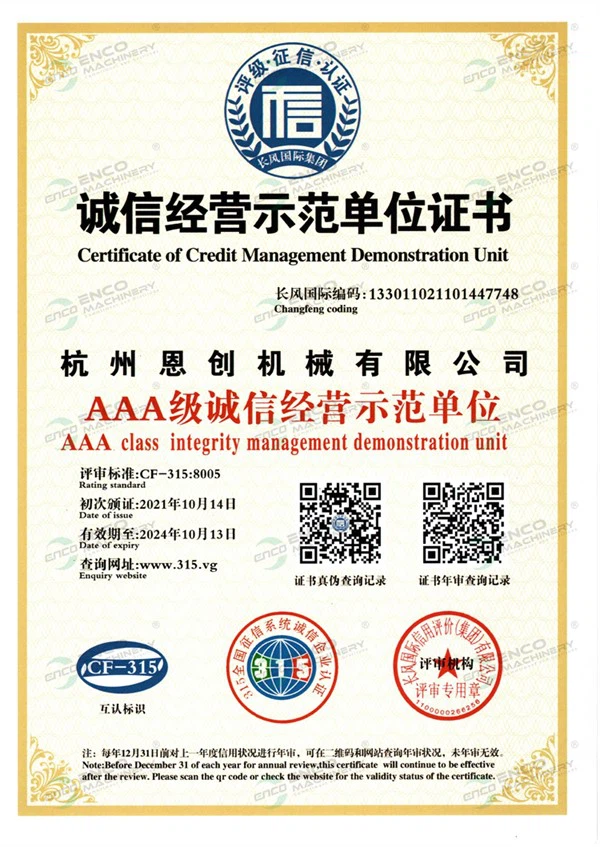
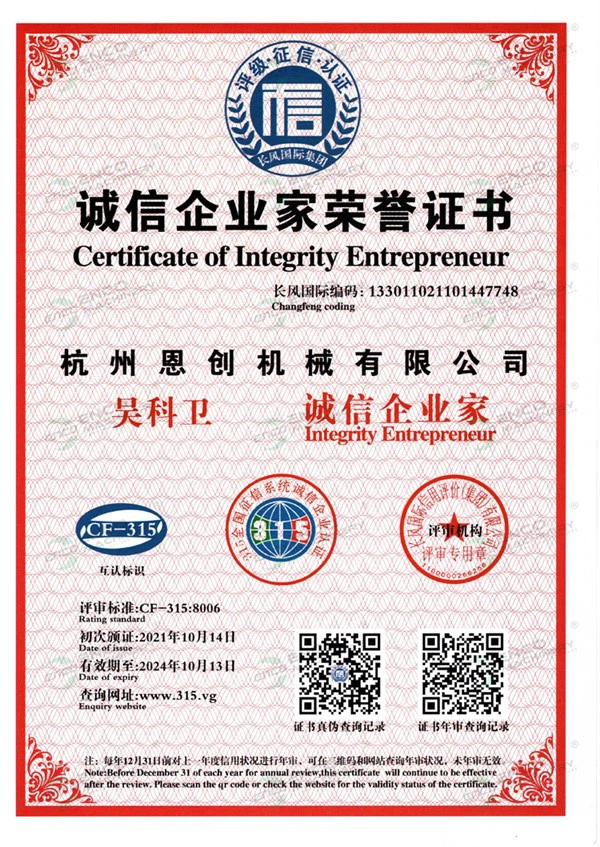
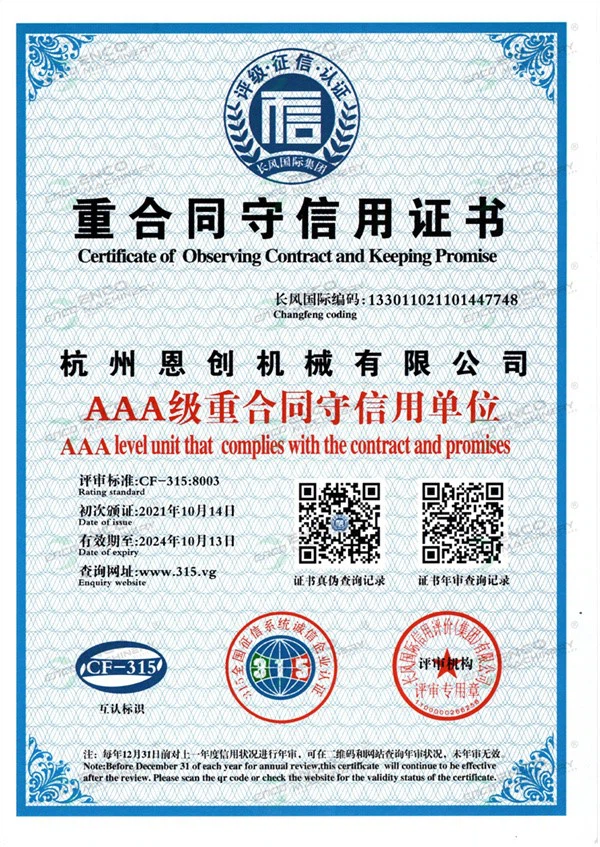
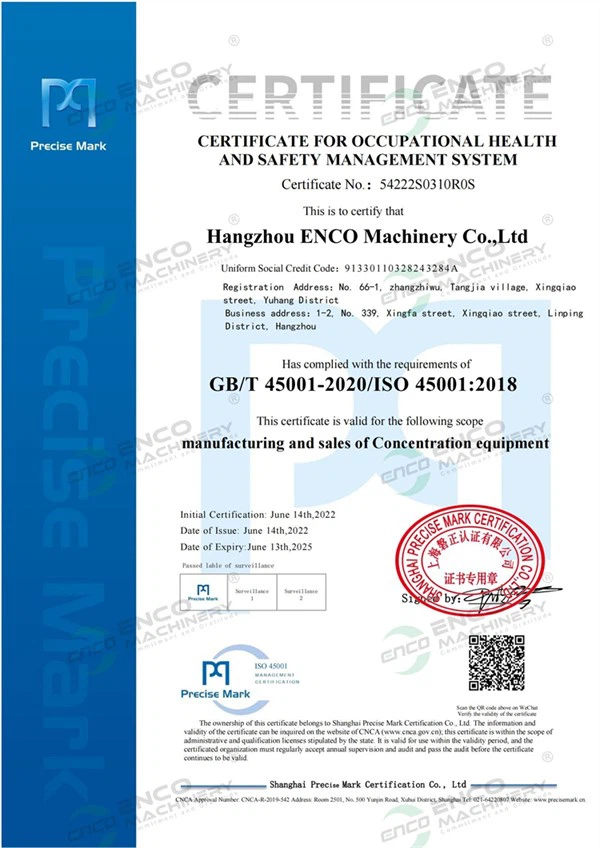
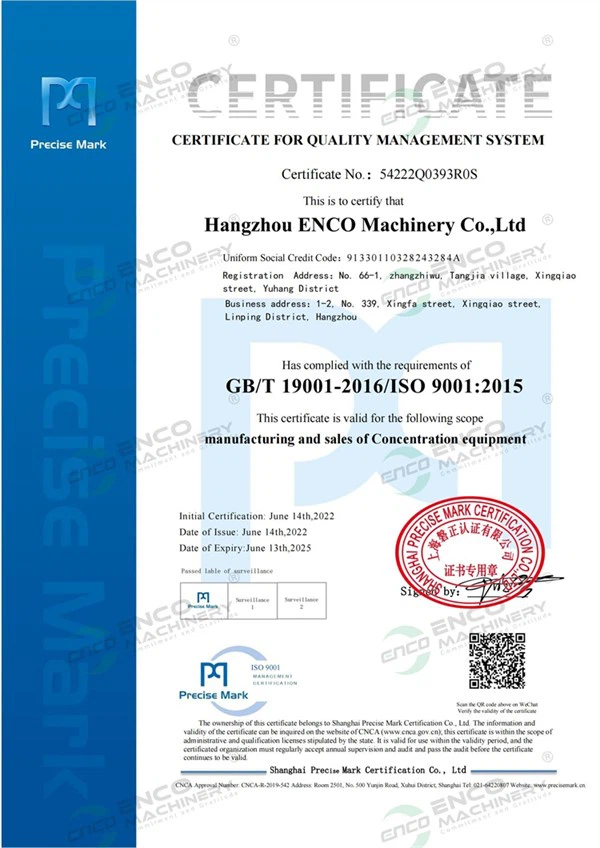
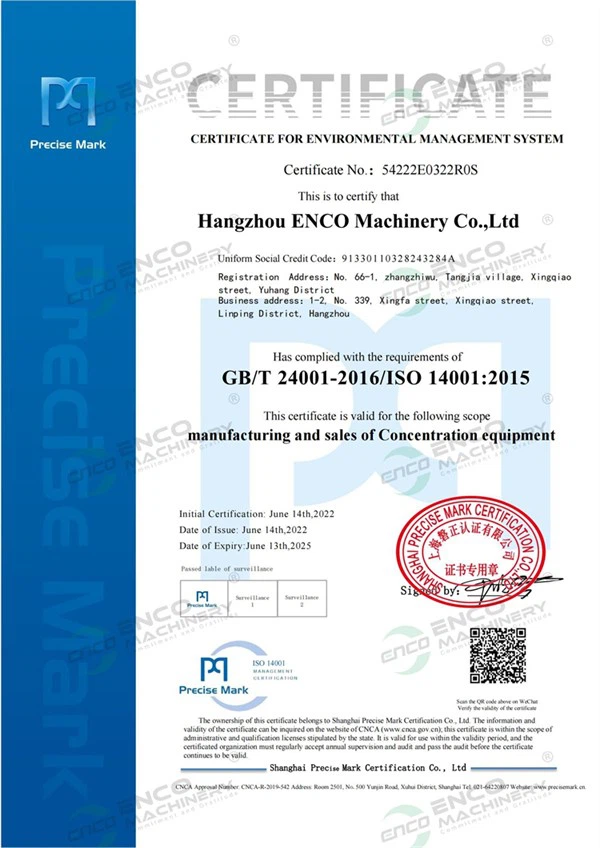
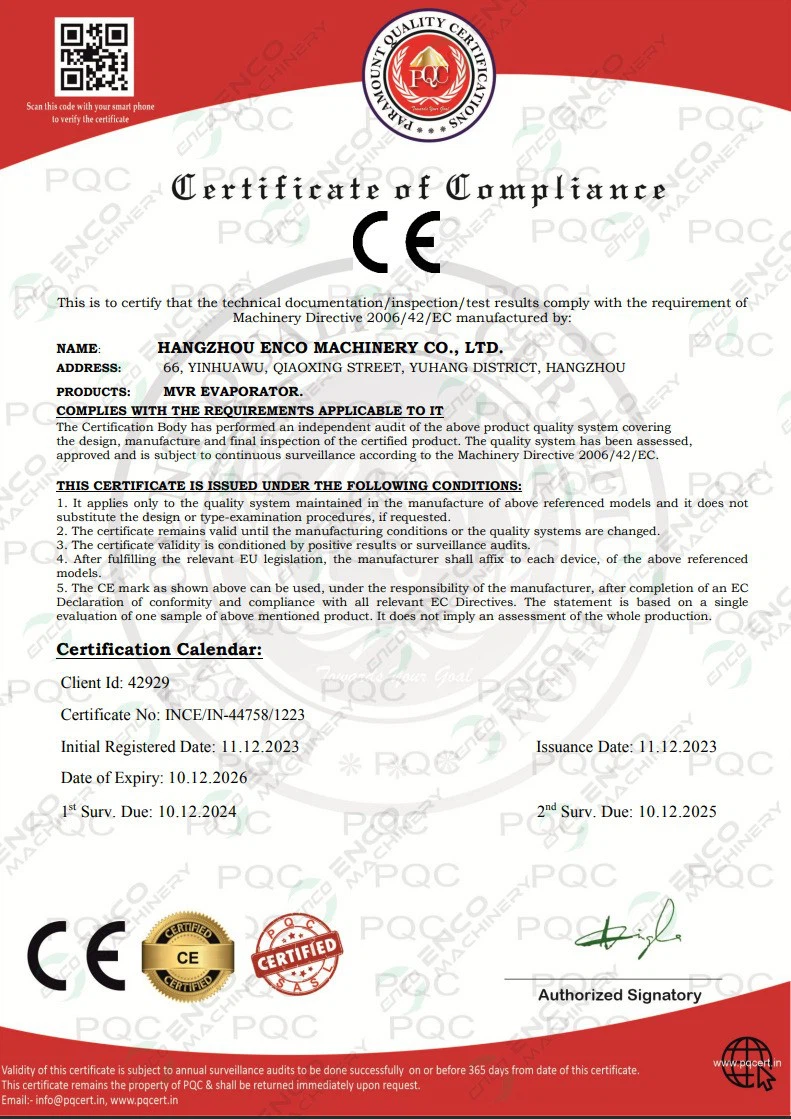
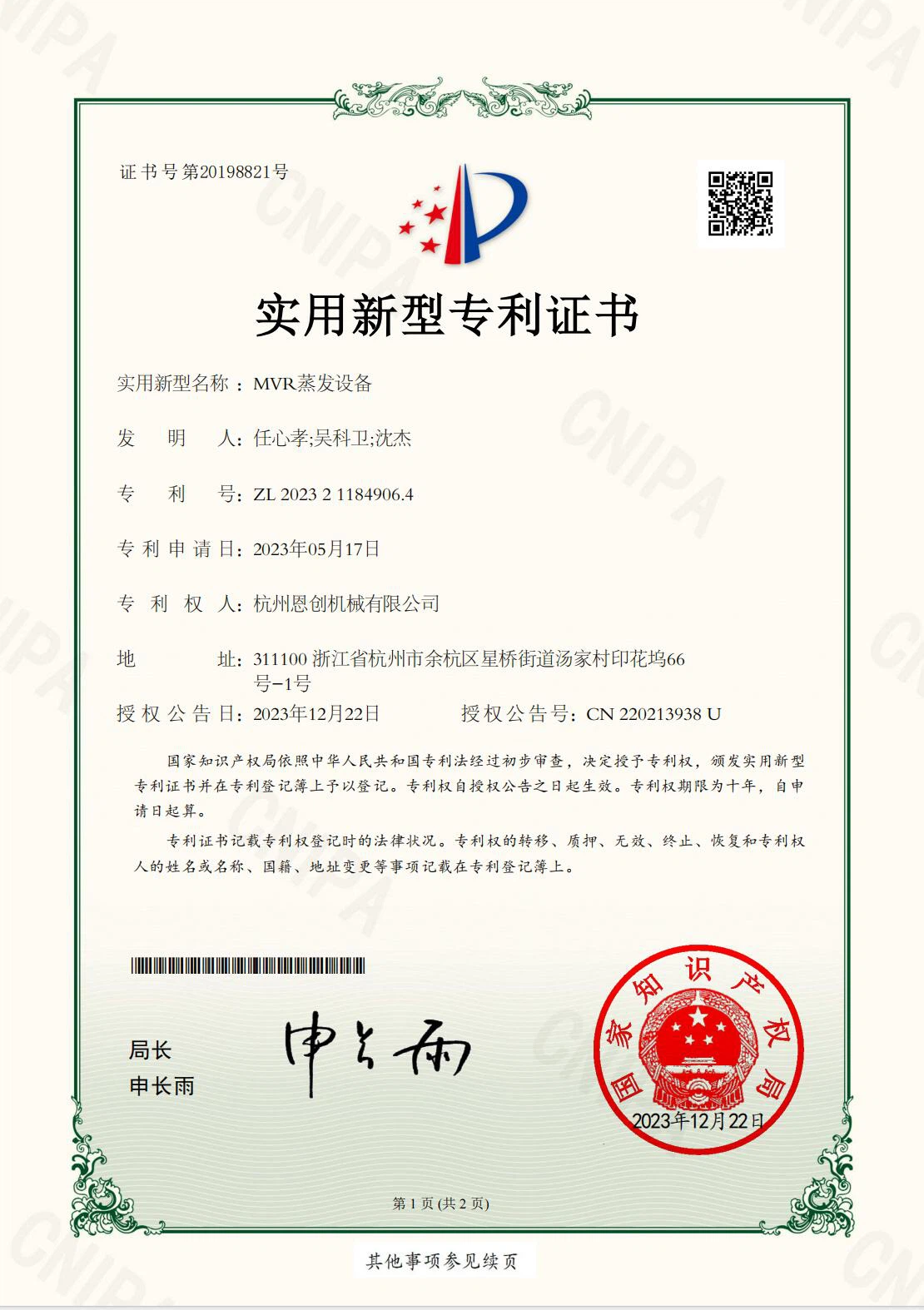
With 20 years of development, ENCO has obtained various industrial certifications, including ISO 14001, ISO 9001, ISO 45001, CE, and other IPs.
Sales Market
To date, ENCO has successfully completed over 500 industrial projects worldwide, spanning countries such as the USA, Australia, South Korea, Malaysia, Turkey, Jordan, Singapore, Kuwait, Mexico, and others.


What is a Filter Press?
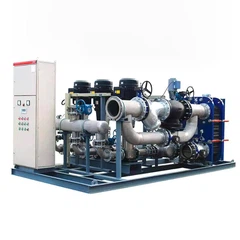
A filter press is a piece of equipment that uses pressure filtration to separate liquids from solids. It consists of several frames or plates with recessed chambers in between them. Each frame contains a cloth filter, which acts as the medium for separating out particles from the liquid being filtered.
As the liquid passes through the cloth, the solid particles are caught on the surface of the cloth while the liquid is allowed to pass through. The frames are then pressed together using hydraulic pistons to form a tight seal that prevents any liquid from seeping out during filtration.
Advantages of Filter Press
Efficient Solid-Liquid Separation
One of the major advantages of a filter press is its efficiency in separating solids from liquids. It uses a series of filter plates with filter cloth to create chambers where the liquid is pushed through while the solid particles are retained. This results in a higher solid content in the filter cake and cleaner filtrate.
High Filtration Rate
Filter presses are designed to handle large volumes of slurry and provide a high filtration rate. The use of multiple filter plates in a filter press allows for a larger filtration area, ensuring faster processing times and increased productivity.
Dry Cake Discharge
Another advantage of using a filter press is the ability to achieve a dry cake discharge. By applying pressure to the filter cake, the remaining liquid is squeezed out, resulting in a drier and more solid cake. This helps in minimizing the waste volume and reducing disposal costs.
Versatility
Filter presses can be used in a wide range of applications across various industries. They are suitable for filtering liquids with high solids content, such as mining tailings, chemical slurries, wastewater, and food products. The adaptability of filter presses makes them a versatile tool for different filtration needs.
Low Energy Consumption
Filter presses are designed to operate with low energy consumption. The pressure required for the filtration process is typically provided by a hydraulic system, resulting in lower overall energy costs compared to other filtration methods.
Automatic Operation
Many modern filter presses come with automation systems that allow for easy and efficient operation. These systems can control the entire filtration process, including feeding, filtration, cake washing, and cake discharge, minimizing the need for manual intervention and improving process efficiency.
Easy Maintenance
Filter presses are generally easy to maintain, and routine maintenance tasks can be performed with minimal effort. The filter plates and cloths can be easily replaced when needed, ensuring optimal filtration performance and prolonging the lifespan of the equipment.
Environmental Benefits
Filter presses play a vital role in maintaining a clean environment by effectively separating solid particles from liquid streams. This helps in reducing pollution by facilitating the proper disposal or reuse of the filtered liquids and minimizing the release of harmful substances into the environment.
Mining Industry: In the mining industry, filter press plays a crucial role in separating solid particles from mine tailings or slurry. This helps in efficient disposal of waste materials and recovery of valuable minerals.
Chemical Industry: Filter press is widely used in the chemical industry for filtering various chemical liquids or suspensions. It helps in the separation of solid impurities and ensures high-quality chemical products.
Food and Beverage Industry: Filter press is used in the food and beverage industry to remove impurities and clarify liquids such as fruit juices, vegetable oils, wine, and beer. It ensures the production of clear and hygienic products.
Pharmaceutical Industry: Filter press is an essential equipment in the pharmaceutical industry for the filtration of pharmaceutical intermediates, active pharmaceutical ingredients (APIs), and final drug formulations. It helps in maintaining the purity and quality of pharmaceutical products.
Environmental Protection: Filter press is extensively used in wastewater treatment plants to remove solid particles and separate sludge from the wastewater. It aids in the efficient treatment of industrial and municipal waste, reducing pollution and promoting a cleaner environment.
Oil and Gas Industry: In the oil and gas industry, filter press is used for the separation of solids from crude oil, drilling mud, and other oilfield wastewater. It helps to ensure the smooth functioning of oil extraction processes and prevents equipment damage.
Ceramics and Porcelain Industry: Filter press is employed in the ceramics and porcelain industry to remove impurities and separate solids from clay slurries or ceramic glazes. It aids in the production of high-quality ceramic products.
Dyeing and Printing Industry: Filter press is widely used in the dyeing and printing industry for the separation of dye particles and impurities from the dyeing wastewater. It assists in the recycling and reuse of water, reducing water consumption and environmental pollution.
Power Plants: Filter press finds applications in power plants for the dewatering of fly ash, a byproduct of coal combustion. It helps in the safe disposal of fly ash and minimizes the impact on the environment.
Sugar Industry: Filter press plays a vital role in the sugar industry for the filtration of sugarcane juice and separation of impurities. It ensures the production of high-quality sugar and byproducts.
Plate and Frame Filter Press: This type of filter press consists of a series of filter plates and frames that are arranged alternately. The plates have filter cloth on both sides to hold the filter cake, and the frames provide support to the plates. The liquid passes through the filter cloth, while the solids are retained as filter cake.
Recessed Plate Filter Press: In this type of filter press, the filter plates have a recessed area in the center, which forms a chamber for holding the filter cake. The liquid passes through the filter cloth and collects in the chambers between the plates. The filter cake forms in the recessed area, maximizing the filtration surface area.
Membrane Filter Press: A membrane filter press has an additional membrane layer between the filter plates and the filter cloth. The membrane can be inflated or deflated to exert pressure on the filter cake, increasing filtration efficiency. This type of filter press is commonly used for high-pressure filtration and dewatering applications.
Automatic Filter Press: An automatic filter press is designed to operate without manual intervention. It uses a control system to automate the various stages of the filtration process, including filter pressing, cake washing, and cake discharge. This type of filter press offers higher efficiency and reduced labor requirements.
Chamber Filter Press
A chamber filter press consists of filter plates that are recessed on both sides, creating chambers for holding the filter cake. The filter plates have holes for filtrate to pass through, and the solids are retained in the chambers. This type of filter press is suitable for applications where the filter cake needs to be washed or dried.
Belt Filter Press
A belt filter press utilizes a continuous moving belt to filter the slurry. The belt passes through a series of rollers and filter zones, where the slurry is squeezed and filtered. This type of filter press is commonly used for dewatering and thickening sludge in wastewater treatment plants.
Filter Press with Filter Cloth
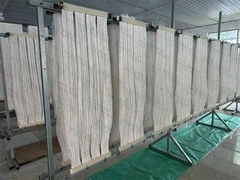
Filter presses use filter cloths as the medium for filtration. The filter cloths capture the solids while allowing the liquid to pass through. The filter cloths can be made from various materials, such as polyester, polypropylene, or nylon, depending on the application.
Composition Structure Of Filter Press


Frame: The filter press is built on a sturdy frame made of steel or cast iron. This frame provides support and stability to the entire structure.
Plates: The filter press consists of a series of plates with filter media. These plates are arranged in a stack and held together by the frame. The plates can be made of various materials such as polypropylene, cast iron, stainless steel, or coated with a special membrane.
Filter Media: Each plate is covered with a filter media such as filter cloth or filter paper. The filter media allows the passage of liquid while retaining solid particles or impurities.
Hydraulic System: Filter presses often utilize a hydraulic system to apply pressure to the plates. This hydraulic system consists of a motor, pump, and hydraulic cylinders. The pressure applied helps in dewatering the slurry and separating the solid particles from the liquid.
Feed Pump: A feed pump is used to deliver the slurry into the filter press. The pump pushes the mixture through the chambers formed by the plates and filter media.
Slurry Inlet and Outlet: The filter press has designated inlets and outlets for the slurry. The slurry is introduced into the press through the inlet and the filtered liquid is collected and discharged through the outlet.
Filtrate Channel: As the slurry passes through the plates and filter media, the liquid component, known as filtrate, is collected in a channel. This channel directs the filtrate towards the outlet for further processing or disposal.
Cake Discharge: Once the filtration process is complete, a solid layer known as the filter cake remains on the filter media. The filter cake needs to be removed, and this is done through a cake discharge mechanism. This mechanism can involve manually removing the cake or using an automatic cake discharge system.
Control Panel: The filter press may have a control panel for operating and monitoring the filtration process. The control panel allows the operator to adjust the pressure, cycle time, and other parameters to optimize the filtration performance.
Cleaning and Maintenance: The composition structure of a filter press should also include provisions for cleaning and maintenance. This can involve features like a washing system for the filter media, automatic plate shifting for easy cake removal, and access points for inspecting and maintaining the internal components.
Working Principle of Filter Press
Feed pump: The slurry or sludge containing solids and liquids is pumped into the filter press through a feed pump. This pump helps create the required pressure for the filtration process.
Chamber formation: The plates of the filter press have hollow chambers inside them. When the slurry is pumped into the press, these chambers are formed by the arrangement of plates and frame.
Filtration medium: Filter cloths made of various materials, such as polyester, nylon, or polypropylene, are placed on each plate. These filter cloths act as the filtration medium and allow the liquid to pass through while retaining the solid particles.
Filtration process: Once the chambers are formed, the slurry enters the chambers. Under the pressure applied by the feed pump, the liquid portion of the slurry passes through the filter cloths, leaving behind the solids.
Cake formation: As the liquid is filtered, the solids get accumulated on the filter cloths, forming a layer known as the filter cake. The filter cake continues to grow in thickness as more slurry is pumped into the filter press.
Pressure maintenance: To ensure efficient filtration, the pressure is maintained throughout the process. This is achieved by continuously pumping more slurry into the press as the filter cake develops.
Wash cycle: Once the filtration process is complete, the filter cake can be washed to remove any remaining impurities. This is often done by introducing a washing liquid into the press and passing it through the filter cake, further improving solid-liquid separation.
Solids discharge: After washing, the filter cake is ready for discharge. The plates of the filter press are loosened, and the cake is removed either manually or by using scraper systems.
Filter cake disposal: Depending on the nature of the filter cake, it can be further processed or disposed of. The filter cake may contain valuable substances that can be extracted or recycled, while in some cases, it may be treated as waste.
Filter press cleaning: Once the filter cake is discharged, the filter press needs to be cleaned for the next cycle. This involves removing any remaining solids, rinsing the equipment, and preparing it for the next filtration operation.
Maintenance Tips for Filter Press
Regular Cleaning
It is important to clean the filter press regularly to ensure efficiency and prolong its lifespan. Remove any debris or residual substances from the filter plates, frame, and cloth before and after each use.
Inspect and Replace Components
Regularly inspect the filter press components, such as the plates, cloth, valves, and gaskets, for any signs of wear or damage. Replace any worn-out or damaged parts immediately to ensure optimal performance.
Lubrication
Proper lubrication of moving parts is crucial for smooth operation. Apply lubricant to hinges, handles, and other moving parts as per the manufacturer's recommendations.
Check Seals and Gaskets
Inspect the seals and gaskets regularly to ensure they are intact and properly functioning. Damaged or worn-out seals can result in leakage, reducing the effectiveness of the filter press. Replace any faulty seals or gaskets promptly.
Monitor Pressure and Filtration Rate
Keep an eye on the pressure gauge readings and filtration rate during operation. If there are any significant fluctuations or abnormalities, investigate and address the issue promptly to prevent further damage.
Flush with Clean Water
After each filtration cycle, flush the filter press with clean water to remove any remaining slurry or particles. This helps prevent clogging and ensures the filter press is ready for the next use.
Store in a Proper Environment
When not in use, store the filter press in a clean and dry environment. Avoid exposure to extreme temperatures or humidity, as it can deteriorate the components and affect performance.
Follow Manufacturer's Guidelines
Always follow the manufacturer's guidelines and recommendations for maintenance and operation of the filter press. This will help optimize the filter press performance and prevent any unnecessary damage.
Certifications
Our Factory
We focus on the design and manufacture of multi-phases evaporators, MVR evaporators, industrial continuous crystallizers, extraction and concentration equipment, fermentation, steam compressors, dryers, filter press, reaction equipment and membrane filtration equipment. With more than 20years experiences, we obtained many patents in this industry.

FAQ
We're well-known as one of the leading filter press manufacturers and suppliers in China. Please rest assured to buy custom made filter press from our factory. Contact us for more details.
Membrane Filter Press, Belt Filter Press, Filter Press