


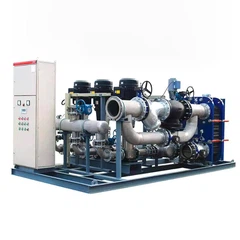






PLC Controller
Why Choose Us
Our Products
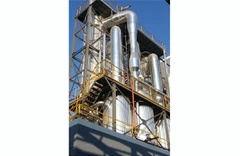
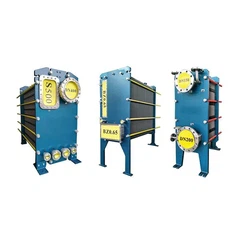
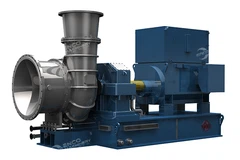
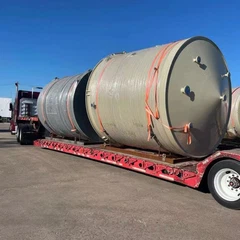
We specialize in designing and manufacturing multi-phase evaporators, MVR evaporators, industrial continuous crystallizers, extraction and concentration equipment, fermentation systems, steam compressors, dryers, filter presses, reaction equipment, and membrane filtration equipment.
Solutions
ENCO provides integrated solutions encompassing in-house engineering, manufacturing, modular system design, installation, commissioning, and O&M services. ENCO's modularization approach has proven to be cost-effective and time-saving, particularly for overseas projects.
Our Certificates
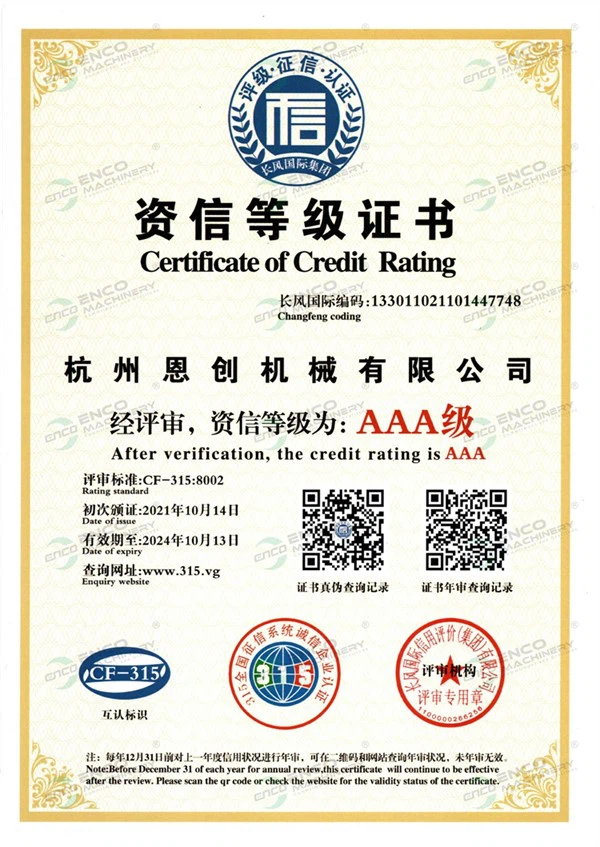
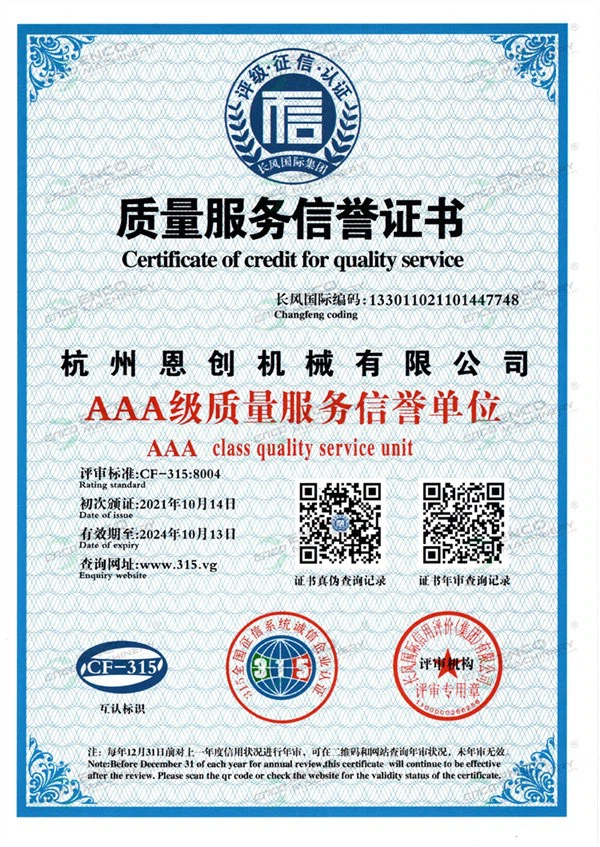
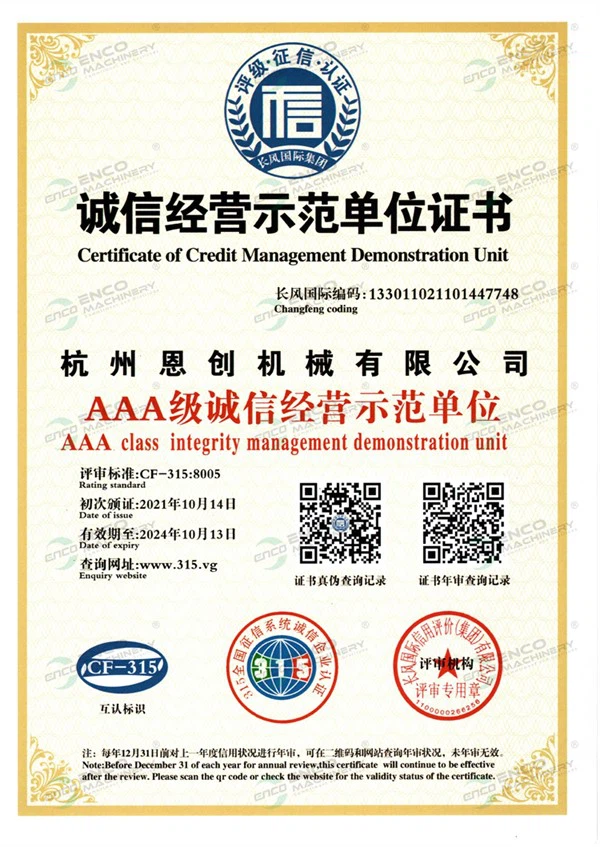
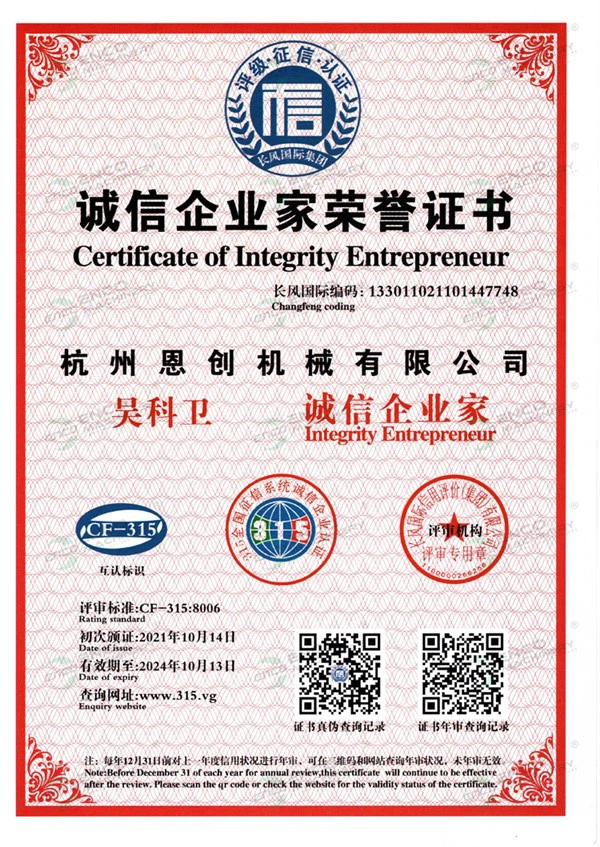
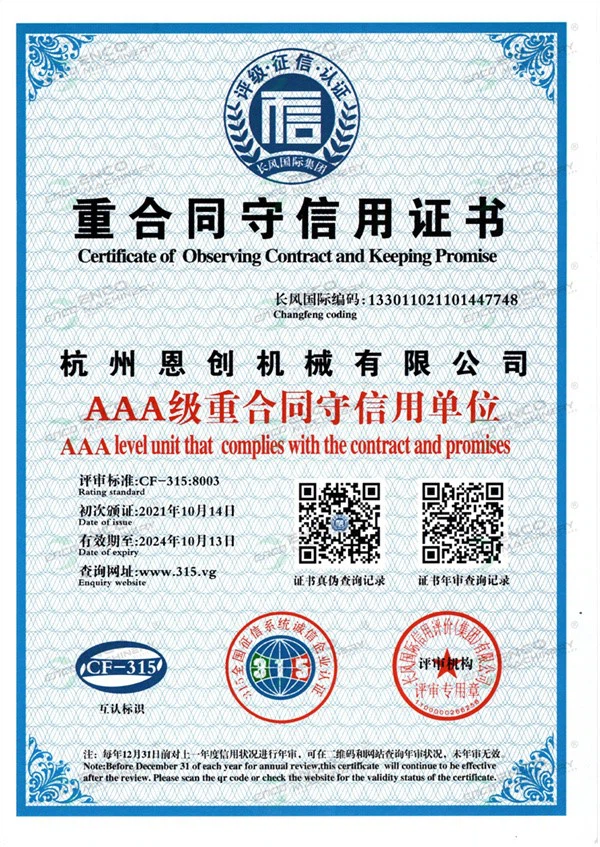
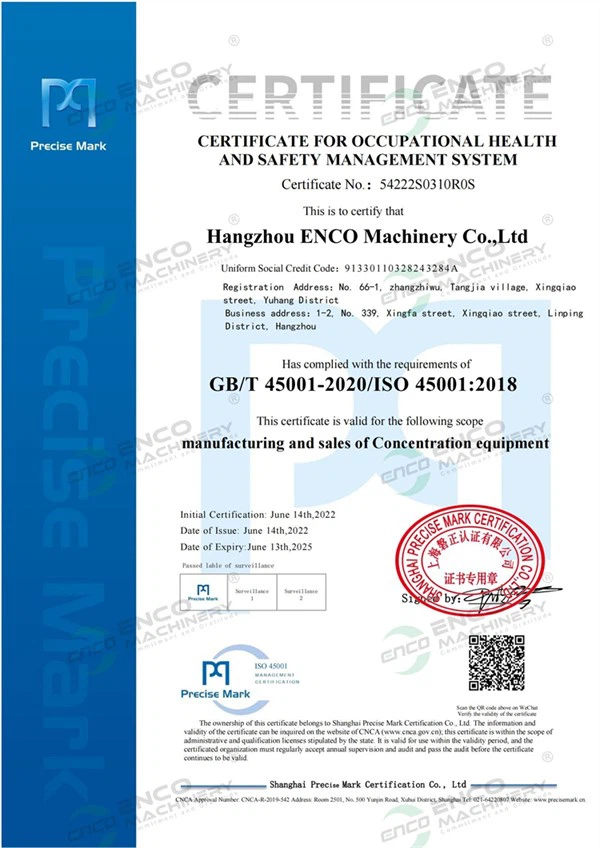
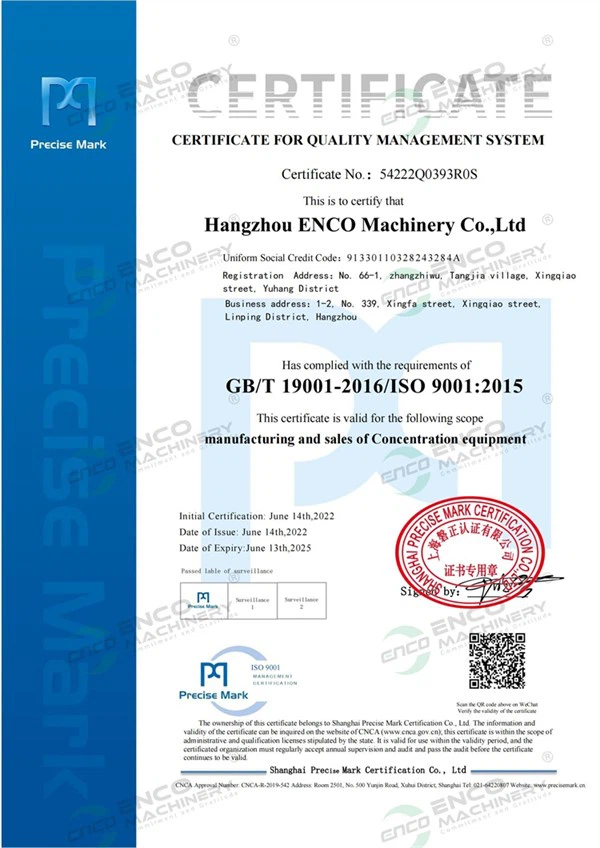
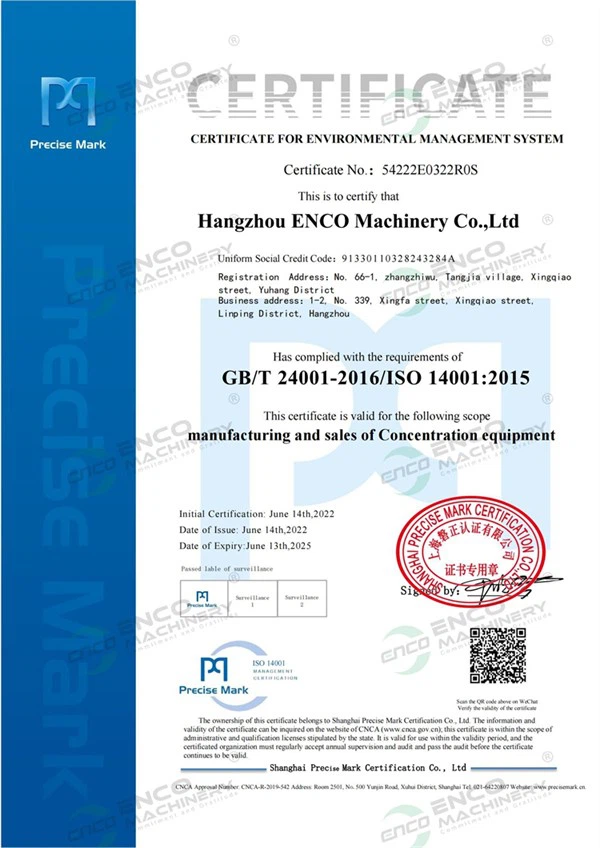
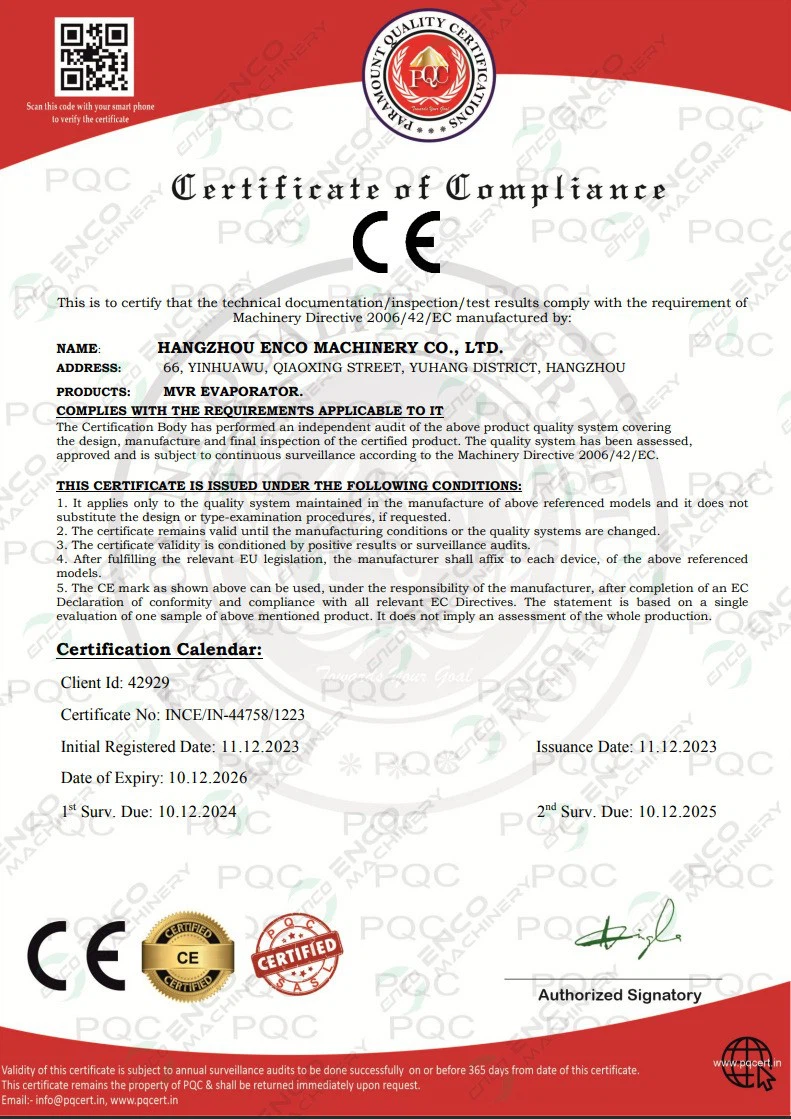
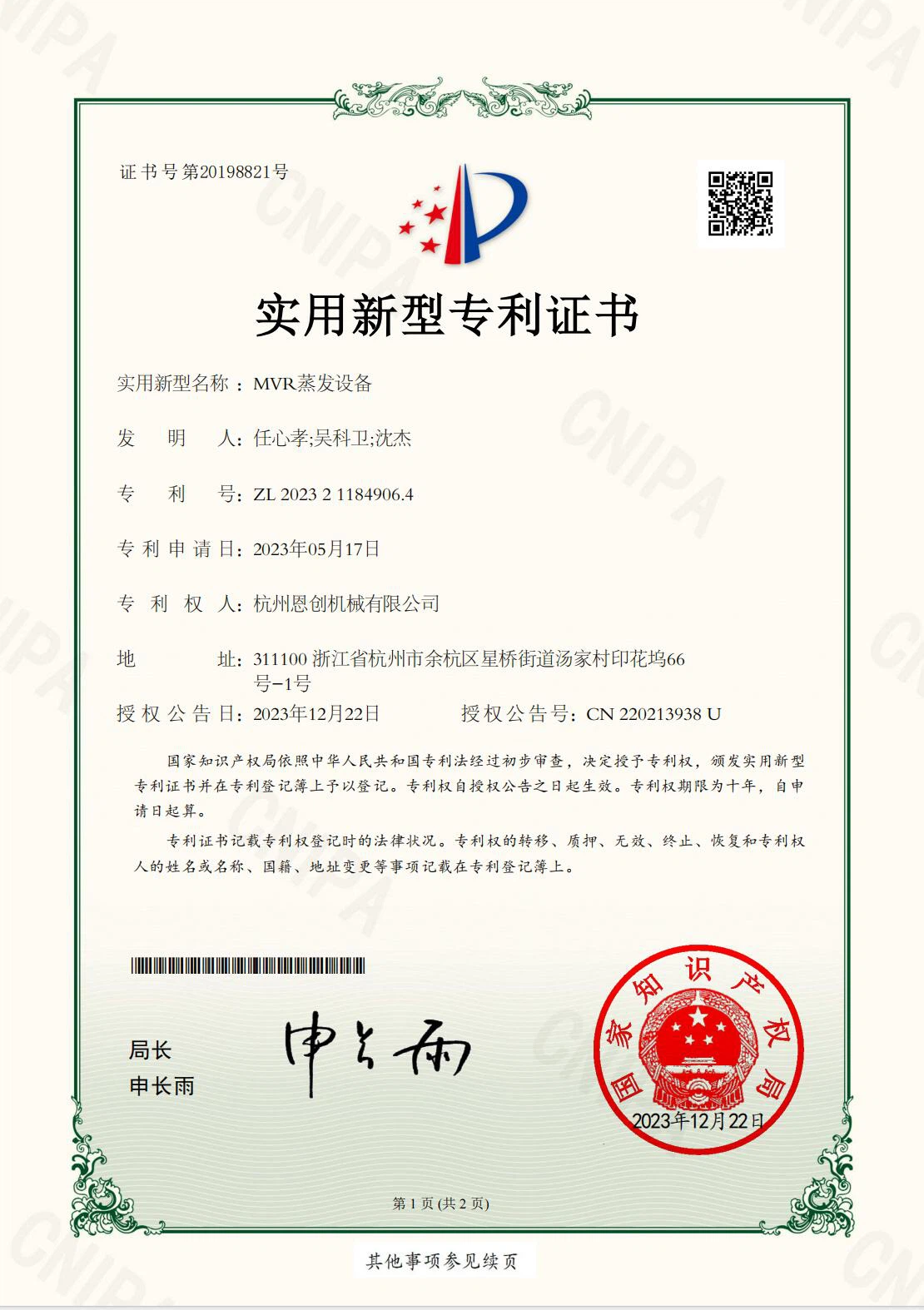
With 20 years of development, ENCO has obtained various industrial certifications, including ISO 14001, ISO 9001, ISO 45001, CE, and other IPs.
Sales Market
To date, ENCO has successfully completed over 500 industrial projects worldwide, spanning countries such as the USA, Australia, South Korea, Malaysia, Turkey, Jordan, Singapore, Kuwait, Mexico, and others.


What is PLC Controller?
A PLC (Programmable Logic Controller) controller is a digital computer-based device used to control and automate industrial processes. It is a specialized computer system designed to monitor inputs, make decisions based on a program or logic, and control outputs to perform specific tasks or operations.
Features of PLC Controller
Programmable: A PLC controller is programmable, which means it can be modified or reprogrammed to perform different tasks or operations. This makes it versatile and adaptable to changing requirements.
Flexibility: PLC controllers offer flexibility in terms of programming and configuring inputs and outputs. They can be easily customized to suit specific applications and can be integrated with various types of sensors, switches, and other devices.
Real-time operation: PLC controllers provide real-time operation, which means they can perform tasks instantly and respond to inputs quickly. This is crucial in industrial automation systems where timely actions are required for safety and efficiency.
Fault tolerance: PLC controllers are designed to be fault-tolerant, meaning they can operate reliably even in the presence of errors or malfunctions. They have built-in error detection and error handling mechanisms to ensure uninterrupted operation.
Networking capabilities: PLC controllers come equipped with networking capabilities, allowing them to communicate and exchange data with other devices or systems. This enables seamless integration into larger control systems and facilitates data sharing for monitoring and control purposes.
Diagnostics and troubleshooting: PLC controllers provide diagnostic features to identify and troubleshoot various issues. They can generate error logs, perform self-tests, and provide detailed information about the system's status for efficient maintenance and troubleshooting.
Easy programming interface: PLC controllers often have user-friendly programming interfaces that simplify the programming and configuration process. They may include graphical programming languages or software with drag-and-drop functionalities, making it easier for users to create and modify programs.
High reliability: PLC controllers are known for their high reliability and durability. They are designed to withstand harsh industrial environments, temperature variations, electrical disturbances, and mechanical vibrations.
Scalability: PLC controllers offer scalability, meaning they can be expanded or upgraded without significant changes to the existing system. This allows for future expansion or modification of the control system as per the changing requirements.
Safety features: PLC controllers are equipped with safety features to ensure the protection of personnel and equipment. They can be integrated with emergency stop buttons, safety sensors, interlocks, and other safety devices to prevent accidents and ensure safe operations.
How a PLC Controller Works
A programmable logic controller (PLC) is an electronic device used in automation systems to control and monitor processes. It is designed to replace traditional relay-based control systems with a more efficient and flexible solution.
Central Processing Unit (CPU): The PLC consists of a CPU, which acts as the brain of the controller. It handles all the processing tasks, reads inputs, execute programmed instructions, and controls outputs.
Input/Output (I/O) Modules: The PLC is connected to various input and output devices such as sensors, switches, actuators, and other control equipment. These devices provide information or receive signals from the PLC for process control.
Programming: The PLC controller is programmed using a specialized software. The programmer writes a set of instructions using ladder logic or other programming languages. These instructions define the desired behavior of the automation system.
Scan Cycle: Once the program is written, the PLC operates in a continuous scan cycle. It repeatedly scans the inputs, processes the program logic, and updates the outputs accordingly. This cycle can run at a high speed, ensuring real-time control and monitoring of processes.
Input Scan: During the scan cycle, the PLC sequentially reads the status of input devices. It determines whether a sensor is activated or a switch is closed. This information is stored in a data memory area for further processing.
Program Execution: After scanning the inputs, the PLC executes the program instructions written by the programmer. It processes the input data based on the defined logic and performs calculations, comparisons, or data manipulation to determine the appropriate output states.
Output Update: Once the program logic is executed, the PLC updates the output devices accordingly. It sends signals to actuator devices, such as motors or valves, to control the actual physical process. This ensures that the desired control actions are carried out.
Communication: In modern PLC systems, communication plays a vital role. PLCs connect to various networks or interfaces to exchange data with other devices or higher-level systems. This enables remote monitoring, diagnostics, and integration with supervisory control and data acquisition (SCADA) systems.
Fault Detection and diagnostics: PLCs incorporate built-in mechanisms for detecting faults and errors. These may include software errors, power failures, network issues, or hardware malfunctions. The PLC can generate alarms or execute predefined error-handling routines to handle such situations.
Modification and Maintenance: PLC controllers provide the advantage of easy modification and maintenance. The program can be changed or updated without disrupting the entire system. This allows for quick adjustments or improvements in the automation process.
Types of PLC Controller
Types of PLC ControllerA Programmable Logic Controller (PLC) is an industrial computer control system that is widely used in manufacturing and industrial automation. PLCs are designed to perform specific tasks and control various processes. There are different types of PLC controllers available in the market, each with its own unique features and capabilities. Here are some of the types of PLC controllers:
Modular PLC: Modular PLC controllers consist of separate, replaceable modules that can be easily integrated and customized. They offer flexibility in terms of expansion and modification. These controllers are ideal for applications where the requirements may change over time.
Compact PLC: Compact PLC controllers are small in size and designed for applications where space is limited. Despite their small size, they offer high functionality and can handle a wide range of inputs and outputs. Compact PLC controllers are often used in small-scale manufacturing units or in control systems with limited space.
Rack-Mounted PLC: Rack-mounted PLC controllers are mounted onto a standard rack or panel, allowing for easy installation and maintenance. These controllers are typically used in large-scale industrial applications where multiple PLCs are required to control different processes. Rack-mounted PLCs offer scalability and can be easily expanded or upgraded if needed.
Safety PLC: Safety PLC controllers are specifically designed to ensure safety in industrial environments. They have built-in safety features and are capable of monitoring critical processes and reacting quickly in case of emergencies. Safety PLCs are widely used in industries such as oil and gas, chemical manufacturing, and automotive production.
Programmable Automation Controller (PAC): PAC is a hybrid controller that combines the functionality of a PLC and a PC. It offers advanced programming capabilities and high-speed processing. PAC controllers are suitable for complex automation systems that require higher computational power and extensive data processing.
Distributed Control System (DCS): While not strictly a PLC controller, DCS is worth mentioning as it is often used in conjunction with PLCs. DCS controllers are commonly used in large-scale industrial processes such as power plants or chemical refineries. They consist of multiple controllers interconnected to oversee and control different subsystems.
Central Processing Unit (CPU): The CPU is the brain of the PLC controller. It executes the program stored in its memory and performs calculations and logic operations.
Input/Output (I/O) Modules: These modules are responsible for interfacing with the external devices and sensors. They receive input signals from sensors and provide output signals to control actuators and devices.
Memory: PLC controllers have different types of memory, including program memory (where the user's program is stored), data memory (for storing variables and values), and system memory (for storing system parameters and settings).
Communication Ports: PLC controllers often have communication ports to connect with other devices or systems, such as Human-Machine Interfaces (HMIs), supervisory control and data acquisition (SCADA) systems, or other PLCs.
Programming Software: PLC controllers are programmed using specialized software. The software allows users to create, edit, and debug programs using ladder logic, function block diagrams, or other programming languages.
Application of PLC Controller
Industrial Automation: PLC controllers are widely used in industrial automation processes. They can control and monitor various machines and equipment in factories, ensuring efficient and safe operations. PLC controllers are particularly useful in assembly lines, where they can control the speed and movement of conveyor belts, robots, and other automated systems.
Manufacturing Processes: PLC controllers play a crucial role in controlling manufacturing processes in industries like automotive, electronics, and pharmaceuticals. They can regulate parameters such as temperature, pressure, and flow rate to ensure precise and consistent production. PLC controllers also enable real-time monitoring, fault detection, and diagnostics, helping to improve product quality and reduce downtime.
Energy Management: PLC controllers are used in building automation systems to manage energy consumption. They can control lighting, heating, ventilation, and air conditioning (HVAC) systems based on occupancy, time-of-day, and other factors. By optimizing energy usage, PLC controllers contribute to energy efficiency, cost savings, and environmental sustainability.
Traffic Control: PLC controllers are employed in traffic signal control systems to manage the flow of vehicles at intersections. They can process inputs from various sensors and cameras to determine optimal signal timing. PLC controllers can adapt to traffic conditions in real-time, reducing congestion, improving traffic flow, and enhancing overall road safety.
Water Treatment: PLC controllers are extensively used in water and wastewater treatment plants. They control and monitor processes such as filtration, disinfection, and chemical dosing. PLC controllers ensure that water quality meets regulatory standards by maintaining consistent flow rates and chemical concentrations.
Food and Beverage Industry: PLC controllers find application in the food and beverage industry for process automation and quality control. They regulate parameters such as temperature, pressure, and mixing ratios during production. PLC controllers help ensure product consistency, minimize waste, and comply with food safety regulations.
Packaging and Material Handling: PLC controllers are essential in packaging and material handling systems. They control and coordinate the movement of conveyors, robotic arms, and other equipment to optimize the packaging process. This automation improves efficiency, reduces errors, and increases throughput.
Renewable Energy: PLC controllers are utilized in renewable energy systems like solar and wind power plants. They monitor and control the generation, storage, and distribution of electricity from renewable sources. PLC controllers help manage power flow, maintain system stability, and enable seamless integration with conventional power grids.
Maintenance Tips for PLC Controller
Regularly clean the controller: Dust and dirt can accumulate on the controller, affecting its performance. Use a soft brush or compressed air to clean the controller and ensure proper ventilation.
Check for loose connections: Over time, connections may become loose due to vibrations or other factors. Inspect all connections and tighten any loose ones to avoid signal loss or intermittent faults.
Monitor temperature: PLC controllers generate heat during operation. Make sure the temperature surrounding the controller is within the manufacturer's specified range. Excessive heat can lead to performance issues or even complete failure.
Keep the controller dry: Moisture can cause damage to electronic components. Ensure that the controller is installed in a dry environment and take precautions to prevent water or other liquids from coming into contact with the controller.
Schedule regular backups: PLC programs and configurations can be lost due to power outages, firmware updates, or other unforeseen events. Create a backup schedule to regularly save the program and configuration files to ensure easy recovery in case of any data loss.
Update firmware and software: PLC manufacturers often release firmware and software updates that improve functionality and address known issues. Stay updated with the latest versions and apply them as recommended by the manufacturer to maintain compatibility and security.
Test backup and restore procedures: Periodically test the backup and restore procedures to ensure that the saved program and configuration files can be successfully deployed in case of a failure. This will help minimize the downtime during a system restoration process.
Monitor error logs: PLC controllers maintain error logs that provide valuable information about the system's health and any potential issues. Regularly review the error logs and address any recurring errors or warnings promptly to prevent them from escalating into major problems.
Train maintenance personnel: Ensure that the personnel responsible for the PLC controller's maintenance are well-trained and familiar with the specific model and manufacturer's guidelines. This will help them identify potential issues and perform routine maintenance tasks effectively.
Follow manufacturer's guidelines: Always adhere to the manufacturer's maintenance guidelines and recommendations. These guidelines are designed to maximize the controller's lifespan and prevent unnecessary breakdowns.
Certifications
Our Factory
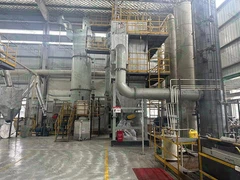
We focus on the design and manufacture of multi-phases evaporators, MVR evaporators, industrial continuous crystallizers, extraction and concentration equipment, fermentation, steam compressors, dryers, filter press, reaction equipment and membrane filtration equipment. With more than 20years experiences, we obtained many patents in this industry.

FAQ
We're well-known as one of the leading plc controller manufacturers and suppliers in China. Please rest assured to buy custom made plc controller from our factory. Contact us for more details.
PLC Controller, PLC System, Industrial PLC Controller