


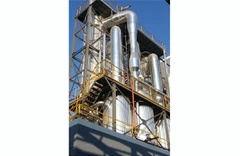
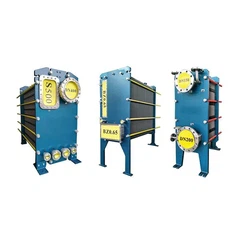


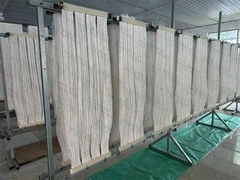


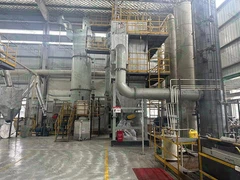


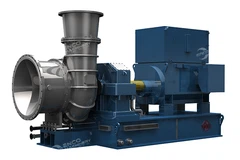
Industrial Dryer
Why Choose Us
Our Products
We specialize in designing and manufacturing multi-phase evaporators, MVR evaporators, industrial continuous crystallizers, extraction and concentration equipment, fermentation systems, steam compressors, dryers, filter presses, reaction equipment, and membrane filtration equipment.
Solutions
ENCO provides integrated solutions encompassing in-house engineering, manufacturing, modular system design, installation, commissioning, and O&M services. ENCO's modularization approach has proven to be cost-effective and time-saving, particularly for overseas projects.
Our Certificates
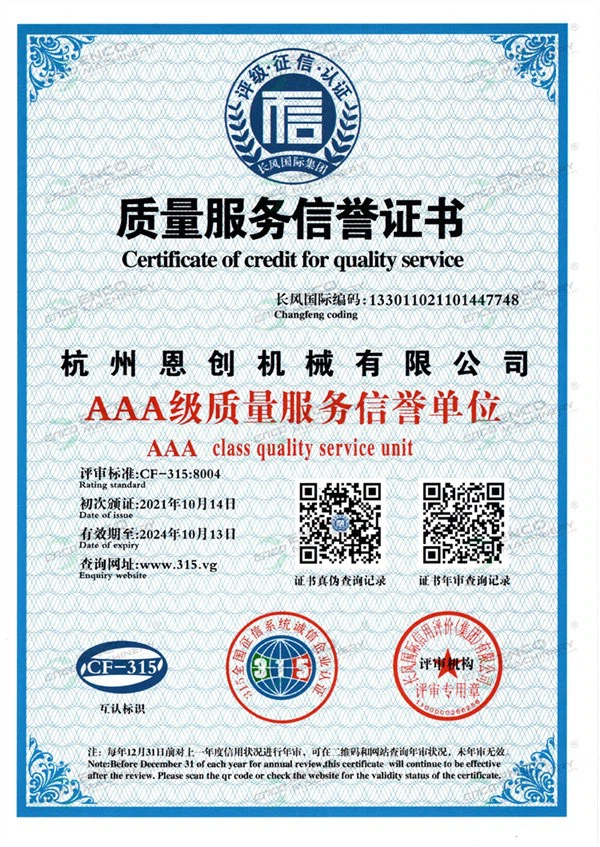
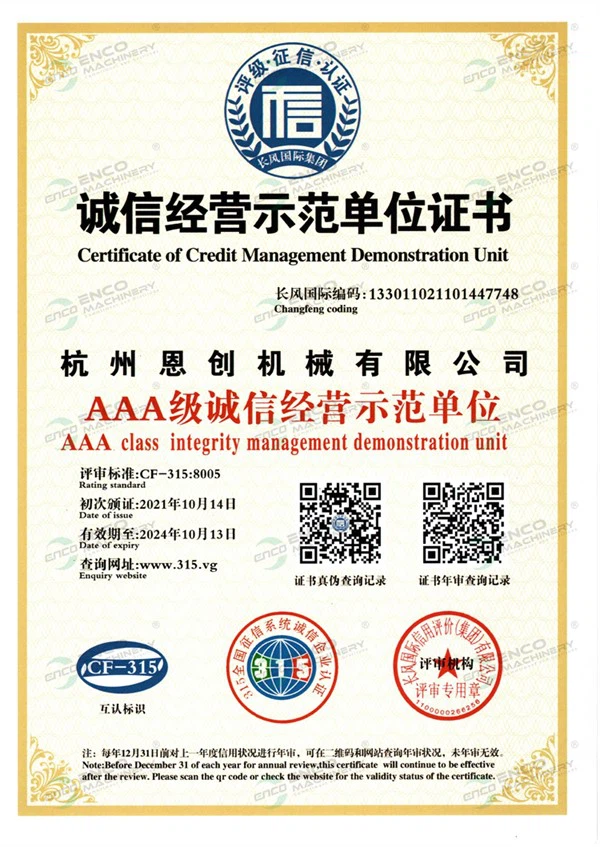
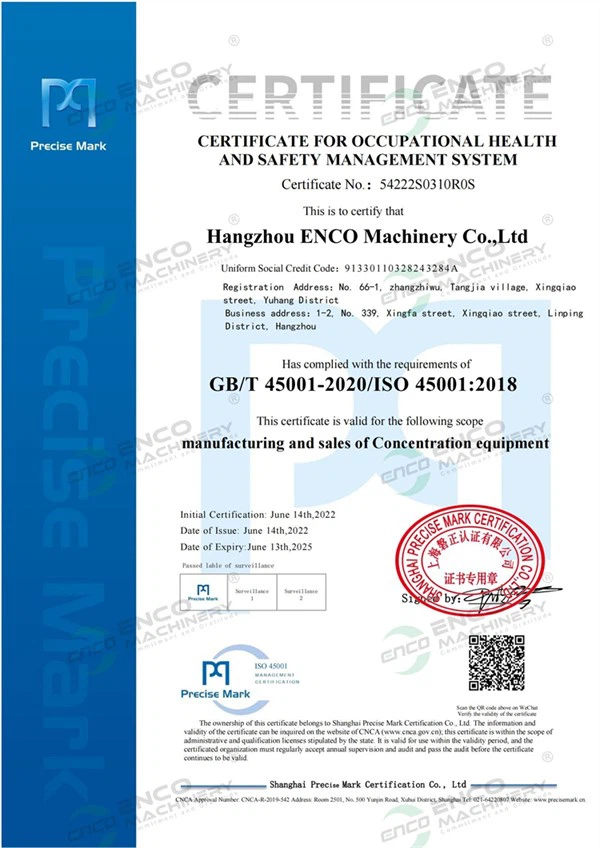
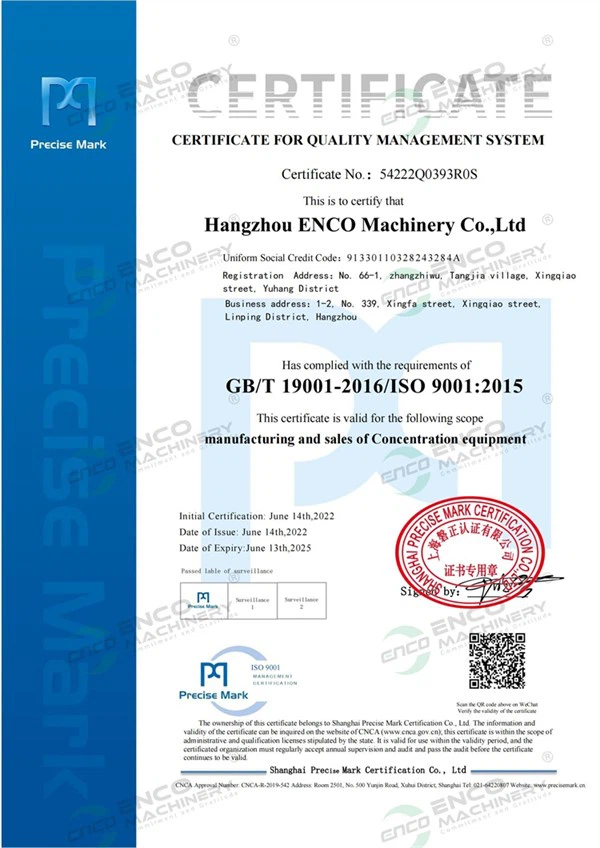
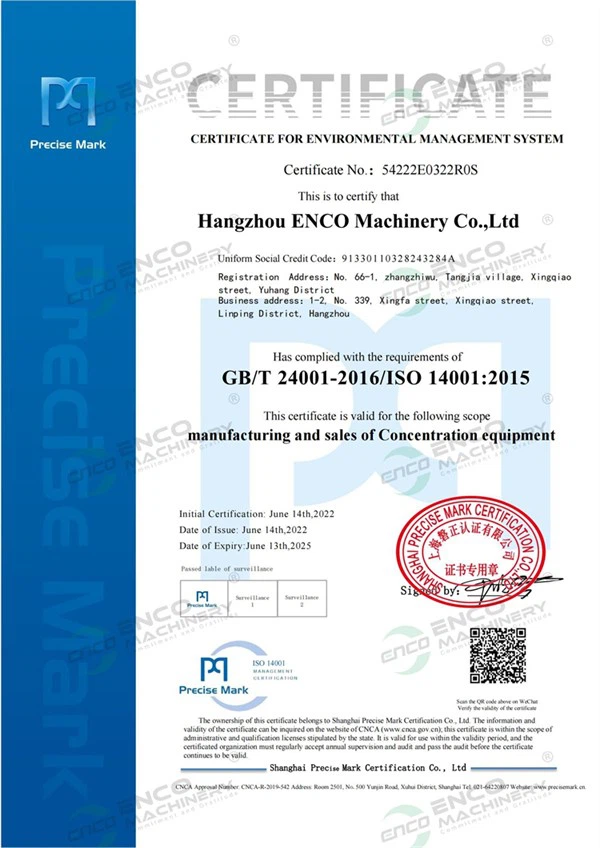
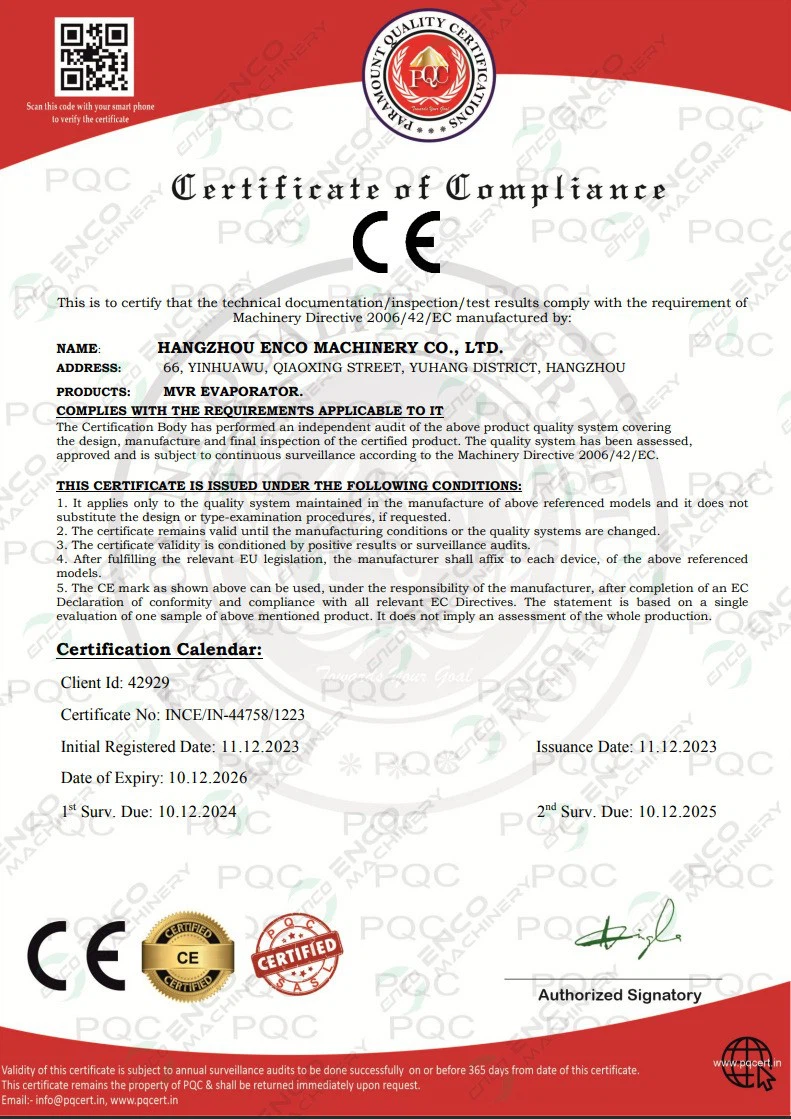
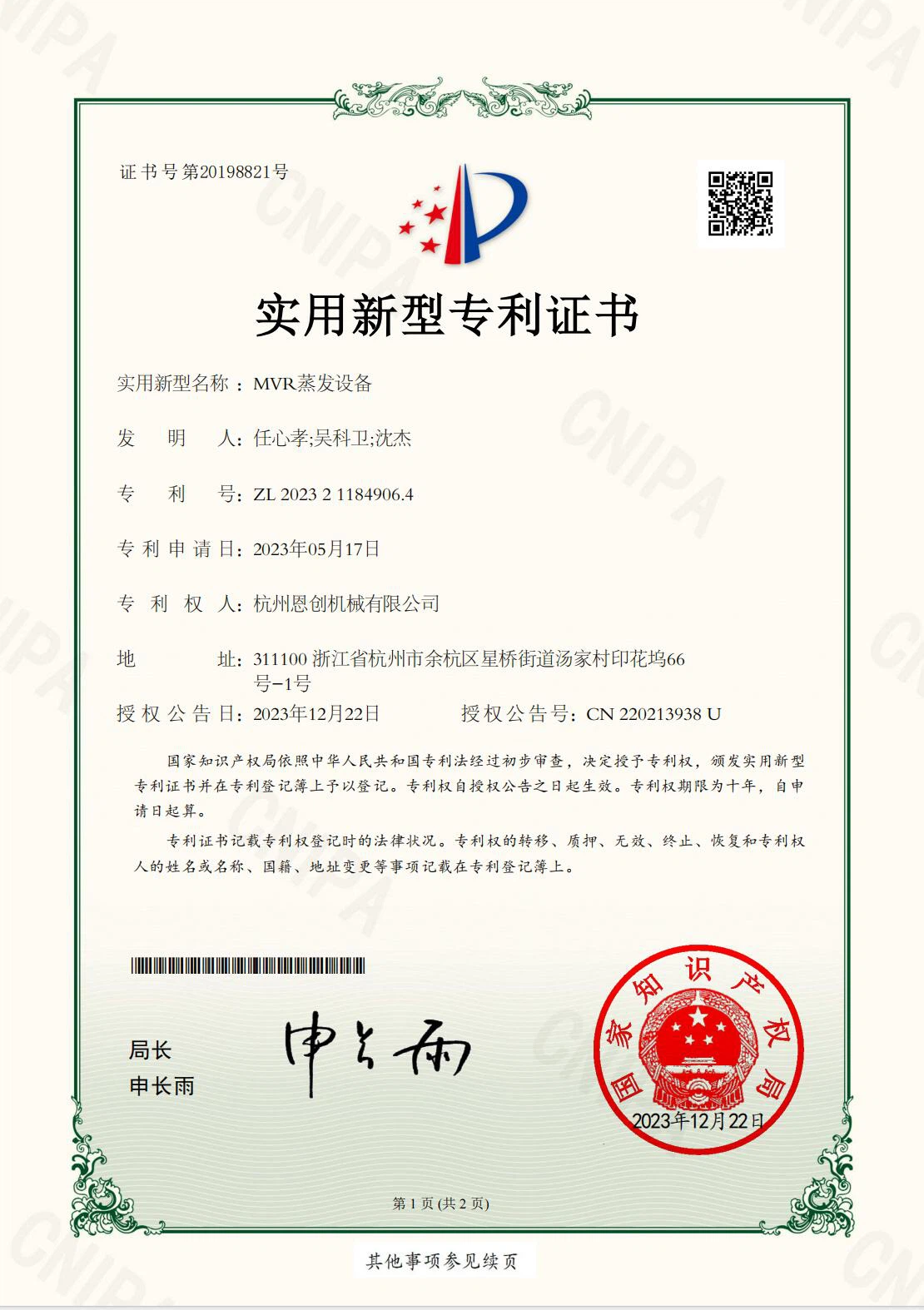
With 20 years of development, ENCO has obtained various industrial certifications, including ISO 14001, ISO 9001, ISO 45001, CE, and other IPs.
Sales Market
To date, ENCO has successfully completed over 500 industrial projects worldwide, spanning countries such as the USA, Australia, South Korea, Malaysia, Turkey, Jordan, Singapore, Kuwait, Mexico, and others.


What is Industrial Dryer?
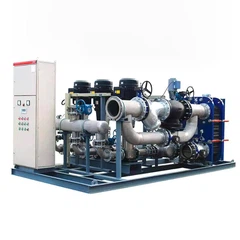
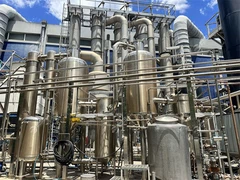
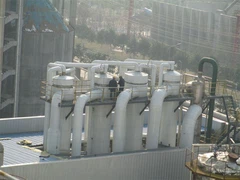
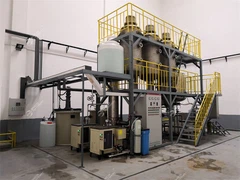
An industrial dryer is a machine that removes moisture from materials by heating and circulating air. Industrial dryers are used in a variety of industries, including agriculture, food processing, pharmaceuticals, and chemicals. There are many different types of industrial dryers, including batch dryers, continuous dryers, fluid bed dryers, spray dryers, and rotary dryers. Each type of dryer has its own advantages and disadvantages, and the choice of dryer depends on the specific application. Industrial dryers are an important part of many industrial processes, and they can help to improve product quality, reduce production costs, and increase production efficiency.
Benefits of Industrial Dryer Machine
Capacity and Solidness:
Industrial dryer machines are built to handle significant clothing loads, extending from 20 to 200 pounds or more, depending on the demonstrate. They are developed with solid materials, such as stainless steel, guaranteeing life span and resistance to wear and tear. With their tall capacity and vigorous development, these dryers are well-suited for nonstop utilize in requesting commercial situations.
Progressed Drying Innovation:
Industrial Dryer Machine utilize progressed drying innovation to supply effective and exact drying comes about. They utilize a combination of hot discuss circulation, temperature control, and customizable drying programs to suit different texture sorts and dampness levels. This flexibility permits for the viable drying of a wide run of materials, counting fragile textures and heavy-duty materials like materials and regalia.
Time and Vitality Proficiency:
Industrial Dryer Machine are planned to spare time and vitality. Effective warming components and optimized wind stream frameworks empower fast drying cycles, decreasing in general drying time and expanding efficiency. Numerous models too highlight energy-saving modes and sensors that screen dampness levels, naturally altering drying time and temperature to play down vitality utilization. These highlights contribute to taken a toll investment funds and natural supportability.
User-Friendly Controls and Security Highlights:
Mechanical dryer machines come prepared with user-friendly control boards that offer simple operation and customization of drying programs. Administrators can alter parameters such as drying time, temperature, and cool-down periods to meet particular necessities. Security highlights, counting warm over-burden security and fire concealment frameworks, guarantee a secure drying environment and offer assistance avoid mischances.
Upkeep and Serviceability:
Standard maintenance is pivotal to keep mechanical dryer machines working ideally. These machines are outlined for simple get to and support assignments, such as cleaning channels, assessing the drum, and greasing up moving parts. Numerous producers too offer comprehensive benefit and bolster bundles to address any specialized issues instantly, minimizing downtime and maximizing machine execution.
Ventilation and Deplete Alternatives:
Industrial dryer machines produce a noteworthy sum of hot discuss and dampness amid the drying handle. Legitimate ventilation and debilitate frameworks are fundamental to preserve a comfortable and secure working environment. Productive ventilation guarantees the successful expulsion of hot discuss and dampness, avoiding warm buildup and reducing the risk of shape and buildup development.
Working principle of Industrial Dryer
Industrial dryers are used to remove moisture from various materials or products in a large-scale production setting.
The working principle of an industrial dryer involves transferring heat to the wet material via convection, radiation, or direct contact.
In convection drying, hot air is circulated around the wet material, causing moisture to evaporate and the dry air to carry it away.
Radiation drying relies on the transfer of heat through electromagnetic radiation, typically infrared waves, which penetrate the wet material and heat it.
Direct contact drying involves the wet material coming into direct contact with a heated surface, such as a drum or belt, which transfers heat to the material and causes moisture to evaporate.
Industrial dryers often combine these drying principles to optimize the drying process and improve efficiency.
The temperature and airflow in industrial dryers can be controlled to accommodate different materials and drying requirements.
Some industrial dryers also use vacuum technology to lower the boiling point of water, allowing for faster evaporation and reduced drying times.
The drying time in an industrial dryer can vary depending on factors such as the moisture content of the material, the type of dryer used, and the desired level of dryness.
Industrial dryers are commonly used in various industries, including food processing, pharmaceuticals, chemicals, textiles, and minerals processing.
They are designed to handle large volumes of material and offer efficient and consistent drying results.
To ensure safe operation, industrial dryers are equipped with safety features such as temperature sensors, pressure relief valves, and emergency shut-off systems.
Regular maintenance and proper cleaning are essential for the efficient operation and longevity of industrial dryers.
Drum or Cylinder: Industrial dryers typically consist of a large drum or cylinder that holds the material to be dried. This drum rotates slowly, allowing for even heat distribution and thorough drying. The drum is usually made of stainless steel or other durable materials to withstand the high temperatures and movement.
Insulation: To minimize heat loss and increase energy efficiency, industrial dryers are often insulated. This insulation helps to maintain the desired temperature inside the dryer, reducing the energy consumption required for drying. Common insulation materials include mineral wool, fiberglass, or ceramic fibers.
Burner System: Industrial dryers rely on a burner system to generate the heat needed for drying. The burner may use various fuel sources, such as natural gas, propane, or oil, depending on the specific application. These burners are designed to provide consistent and controlled heat output for efficient drying.
Airflow System: An effective airflow system is crucial for removing moisture from the material being dried. Industrial dryers feature a blower or fan that circulates hot air inside the drum. This airflow helps to carry away the moisture evaporated from the material, ensuring thorough drying. The airflow system is typically designed to provide adequate ventilation while preventing product loss or contamination.
Control Panel: To monitor and control the drying process, industrial dryers are equipped with a control panel. This panel contains various gauges, switches, and sensors that allow operators to adjust the temperature, airflow, and other parameters. Additionally, the control panel may include safety features like emergency stop buttons or alarms to ensure safe operation.
Exhaust System
Industrial dryers require an exhaust system to remove the humid air generated during the drying process. This system typically includes ducts or pipes that carry the moist air away from the dryer and release it outside the facility or into a ventilation system. Efficient exhaust systems help maintain the desired drying conditions and prevent excessive humidity in the surrounding environment.
Loading and Unloading Systems
Industrial dryers often incorporate loading and unloading systems to facilitate the handling of materials. These systems can include conveyors, hoppers, or other mechanical devices that automate the loading and unloading process. By streamlining material handling, these systems increase efficiency and reduce manual labor requirements.
Safety Features
Industrial dryers are designed with various safety features to protect operators and prevent accidents. These features can include temperature and pressure sensors, emergency stop buttons, safety interlocks, and thermal overload protection. Regular maintenance and adherence to safety guidelines are crucial for ensuring safe operation.
Types of Industrial Dryer
Tray Dryer
The tray dryer is the most common type of dryer used in industries where cross-circulation drying occurs. Over multiple trays that hold the moist material, the solid is dispersed. In order for a drying gas to be passed over the top exposed surface of the solid, the trays are stacked in the drying chamber with a space between them. As the drying gas interacts with the steam coils, which is frequently air, it becomes heated. A blower installed within the cabinet forces the hot air across the trays. A portion of the air is cycled inside the cabinet, while the bulk exits the chamber.
Rotary Dryer
Because of their high efficiency, rotary dryers, commonly referred to as the “workhorse of chemical dryers,” are the most popular continuous dryers used in process industries. It has a cylindrical shell with a slowly spinning, slightly angled upper end that feeds a moist solid. The material is placed inside a rotary dryer, rotates while the shell spins to dry it, and finally leaves the drier at the bottom. Heat for drying is provided via a hot flue that flows outside, and heat is transferred through the shell.
Vacuum Dryer
The vacuum dryer comes with a heating jacket and a slow-moving agitator for damp material. Usually, at least 10 mm Hg of moderate vacuum is used. The vapour drawn in by the vacuum device may be condensed if recovery is required. The conical shape allows for quicker bottom discharge of the dry product. Use this type of dryer for drying powders, colours, chemicals, and medications.
Spray Dryers
To dry the atomized droplets present in the feed, which may be a solution or slurry of small particles, a spray drier is fitted. It comprises of a sizable drying chamber that may be 35 metres tall and 15 metres in diameter.
What are some important considerations for ventilation and exhaust systems in Industrial Dryer machines?
Ventilation requirements: Industrial Dryer produce a significant amount of hot air and moisture during the drying process. Adequate ventilation is necessary to maintain a comfortable and safe working environment. Ensure that the ventilation system is properly sized and designed to handle the airflow and heat generated by the dryer.
Airflow efficiency: The ventilation system should effectively remove hot air and moisture from the drying area. Proper airflow helps prevent heat buildup, reduces the risk of mold and mildew growth, and improves overall drying efficiency.
Exhaust ducts: Install appropriate exhaust ducts to carry the hot air and moisture from the dryer to the outside. The ducts should be made of heat-resistant materials and be properly insulated to prevent heat loss and condensation.
Fire safety: Industrial dryers generate heat, making fire safety a critical consideration. Install fire suppression systems and ensure compliance with fire safety regulations to protect against the risk of dryer fires.
Regular maintenance: Regularly inspect and clean the ventilation and exhaust systems to remove any blockages or buildup that may impede airflow. Proper maintenance helps ensure the effective operation of the ventilation system and prolongs the lifespan of the dryer.
Professional installation: It is recommended to consult with professionals or follow manufacturer guidelines for the installation of ventilation and exhaust systems to ensure compliance with safety standards and optimal performance.
Composition Structure Of Industrial Dryer
Outer shell
The outer shell of an industrial dryer is usually made of sturdy materials such as stainless steel or carbon steel. This shell provides structural support and protects the inner components from external hazards.
Insulation
To prevent heat loss and improve energy efficiency, industrial dryers are often equipped with insulation materials. These materials help to maintain a consistent temperature inside the dryer, reducing heat loss to the surrounding environment.
Heating system
The heating system is one of the most crucial components of an industrial dryer. It is responsible for generating the heat required to dry the materials. Common heating sources include natural gas, electric heating elements, steam, or thermal oil. The type of heating system depends on the specific requirements of the drying process.
Air circulation system
Industrial dryers employ an air circulation system to facilitate the drying process. This system typically consists of fans or blowers that circulate hot air through the drying chamber. The heated air helps to remove moisture from the materials being dried, accelerating the drying process.
Drying chamber
The drying chamber is the main working area of the industrial dryer. It is designed to accommodate the materials to be dried. The interior of the chamber is often lined with materials resistant to high temperatures and corrosion, ensuring durability and preventing contamination of the materials.
Control panel
Industrial dryers are equipped with control panels that allow operators to monitor and adjust various parameters. These panels include temperature control settings, timers, and safety features. The control panel is essential for maintaining optimal drying conditions and ensuring safe operation.
Air exhaust system
Moisture-laden air needs to be expelled from the dryer to maintain the drying efficiency. An air exhaust system is installed to remove the humid air and direct it outside or through a ventilation system. This system helps to maintain the desired moisture content of the materials and prevents condensation inside the dryer.
Material feeding and discharge system
Industrial dryers have mechanisms for loading the materials to be dried into the drying chamber and discharging them once the drying process is complete. These systems can include conveyor belts, augers, or other feeding mechanisms, as well as discharge chutes or hoppers.
Certifications



Our Factory
We focus on the design and manufacture of multi-phases evaporators, MVR evaporators, industrial continuous crystallizers, extraction and concentration equipment, fermentation, steam compressors, dryers, filter press, reaction equipment and membrane filtration equipment. With more than 20years experiences, we obtained many patents in this industry.

FAQ
We're well-known as one of the leading industrial dryer manufacturers and suppliers in China. Please rest assured to buy custom made industrial dryer from our factory. Contact us for more details.
Industrial Dryer, Fluidized Bed Dryer, Disc Dryer