


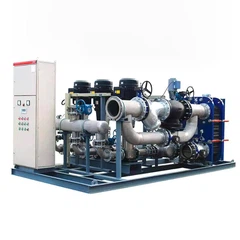
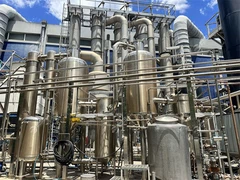
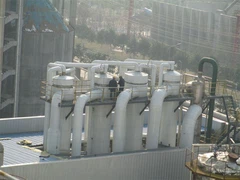
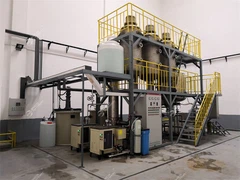
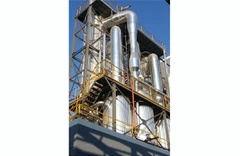
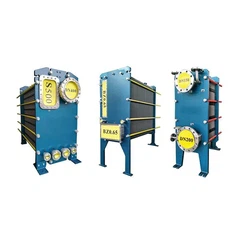


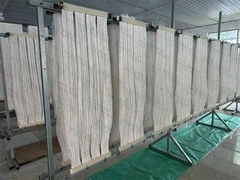


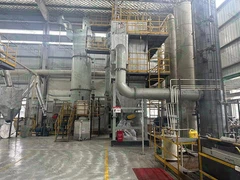


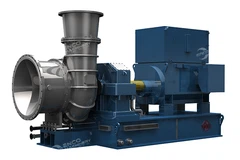
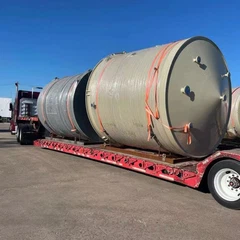
Crystallizer
Why Choose Us
Our Products
We specialize in designing and manufacturing multi-phase evaporators, MVR evaporators, industrial continuous crystallizers, extraction and concentration equipment, fermentation systems, steam compressors, dryers, filter presses, reaction equipment, and membrane filtration equipment.
Solutions
ENCO provides integrated solutions encompassing in-house engineering, manufacturing, modular system design, installation, commissioning, and O&M services. ENCO's modularization approach has proven to be cost-effective and time-saving, particularly for overseas projects.
Our Certificates
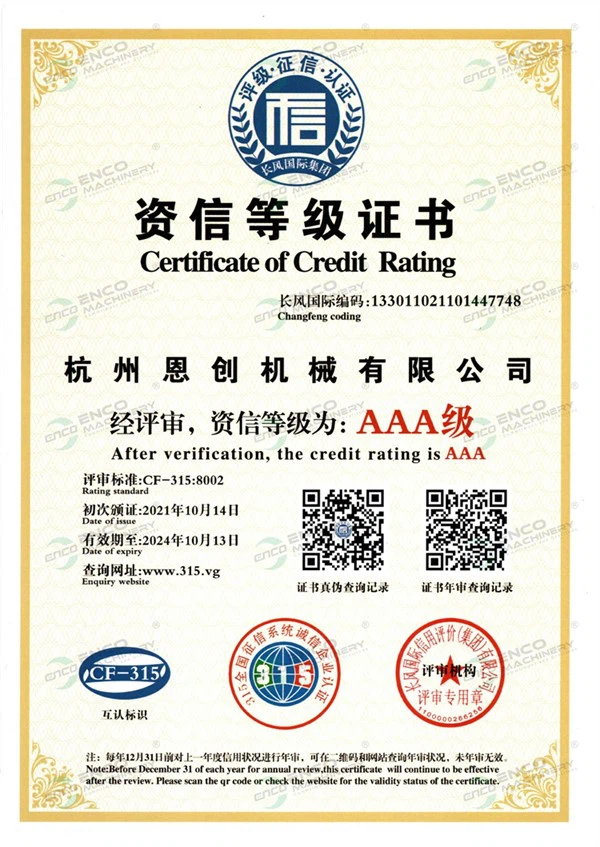
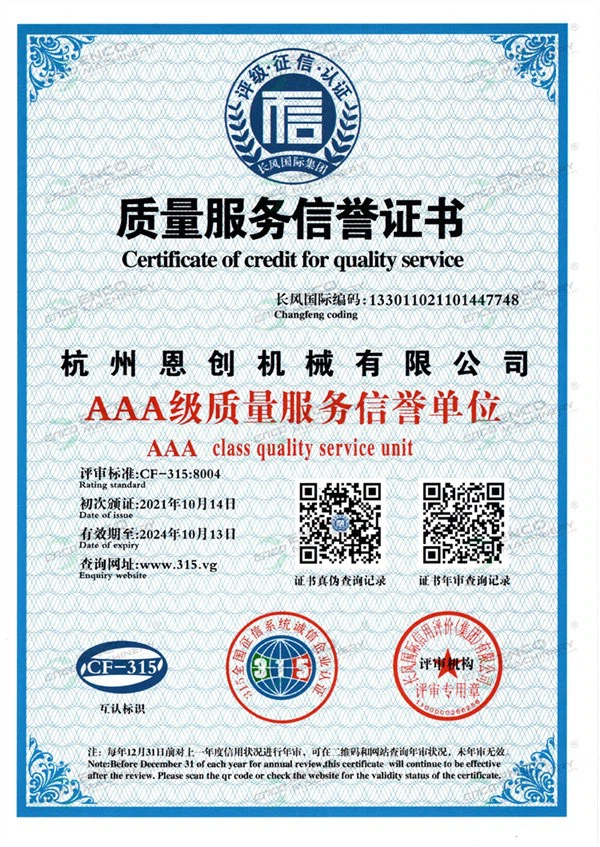
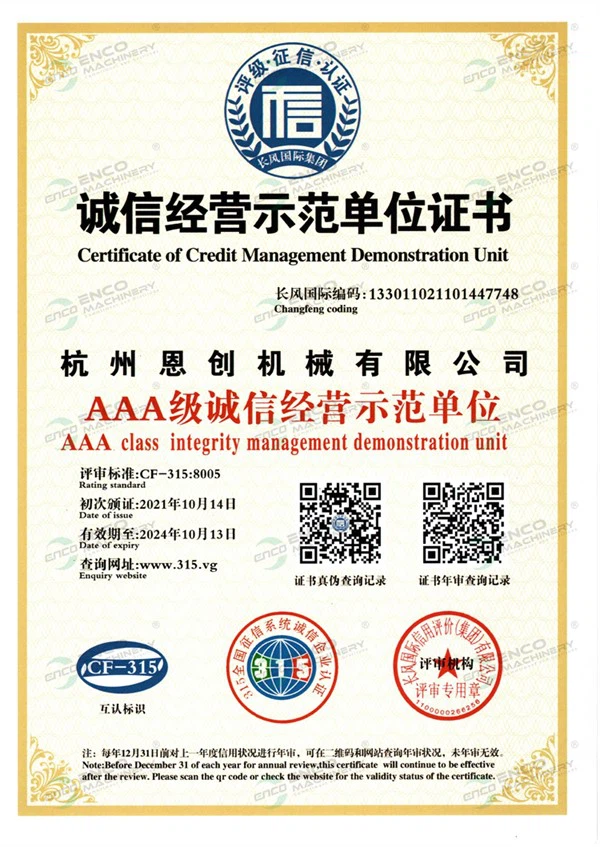
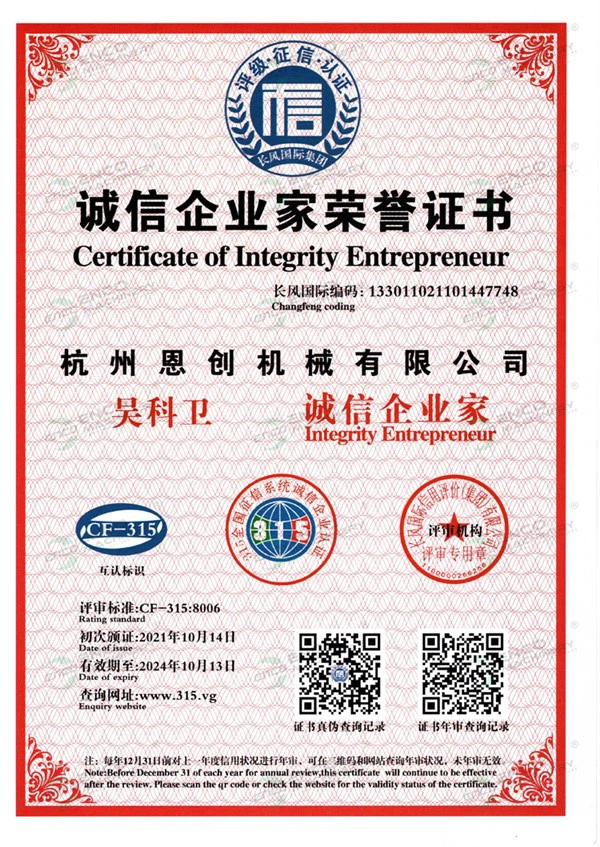
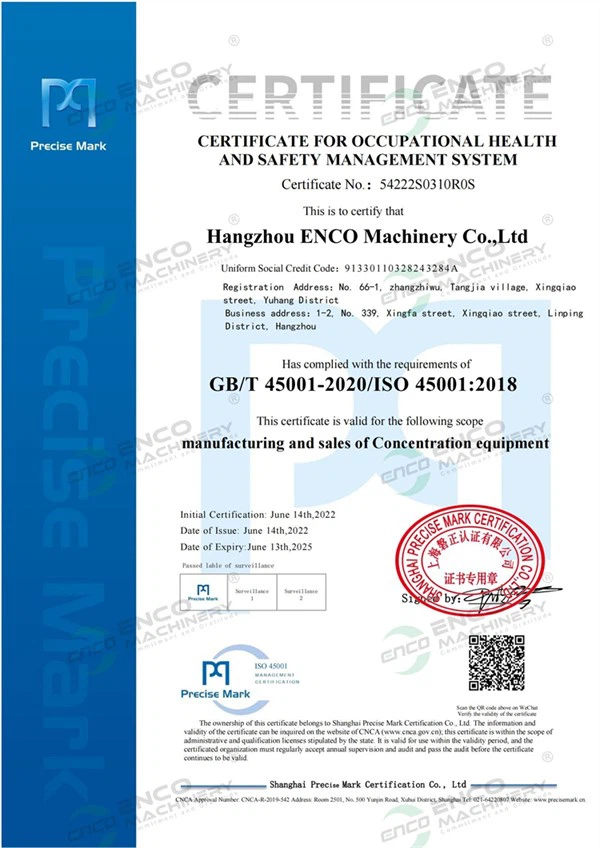
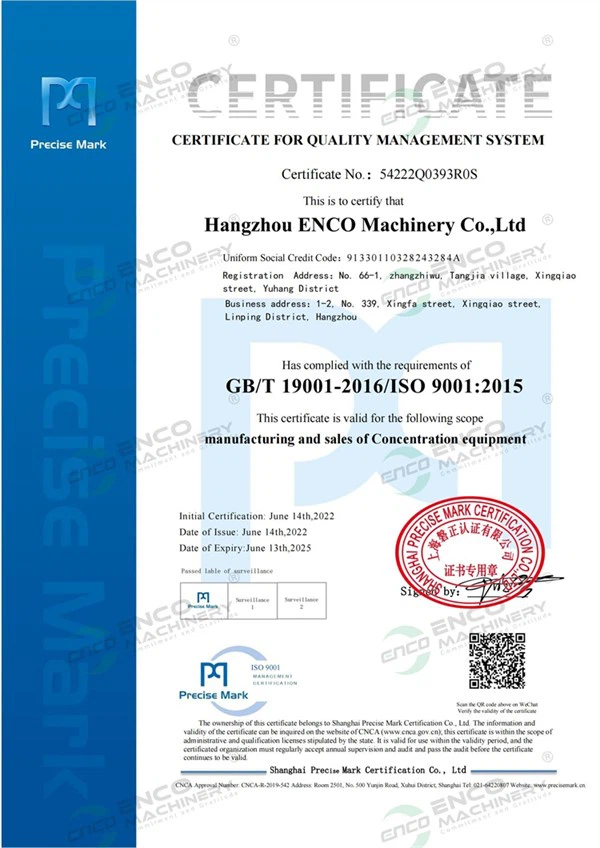
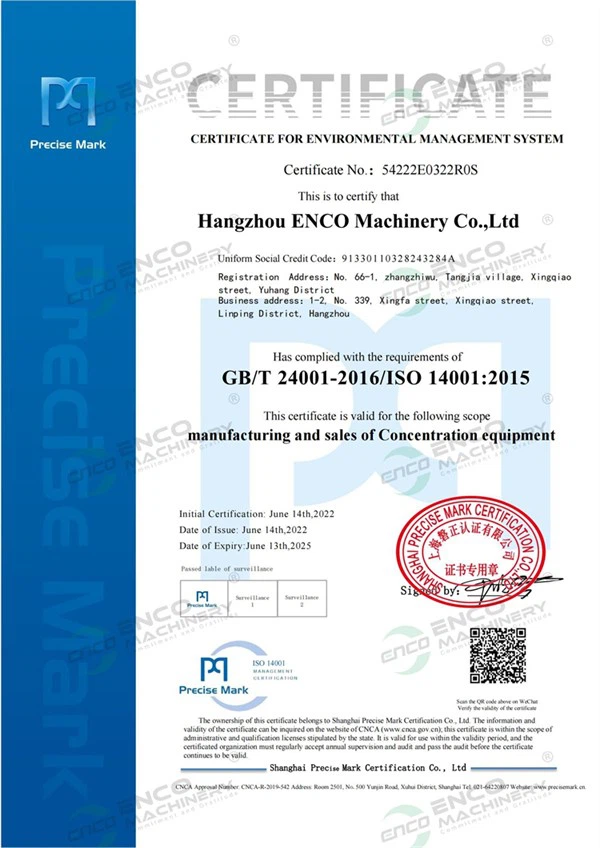
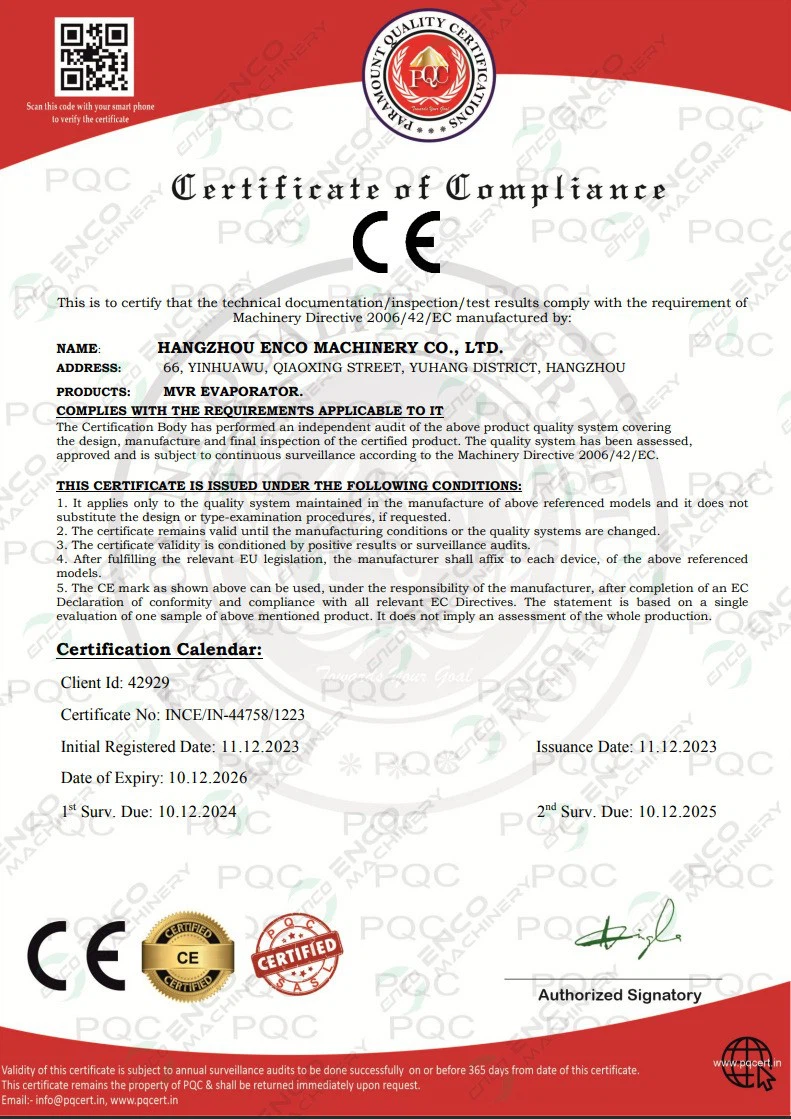
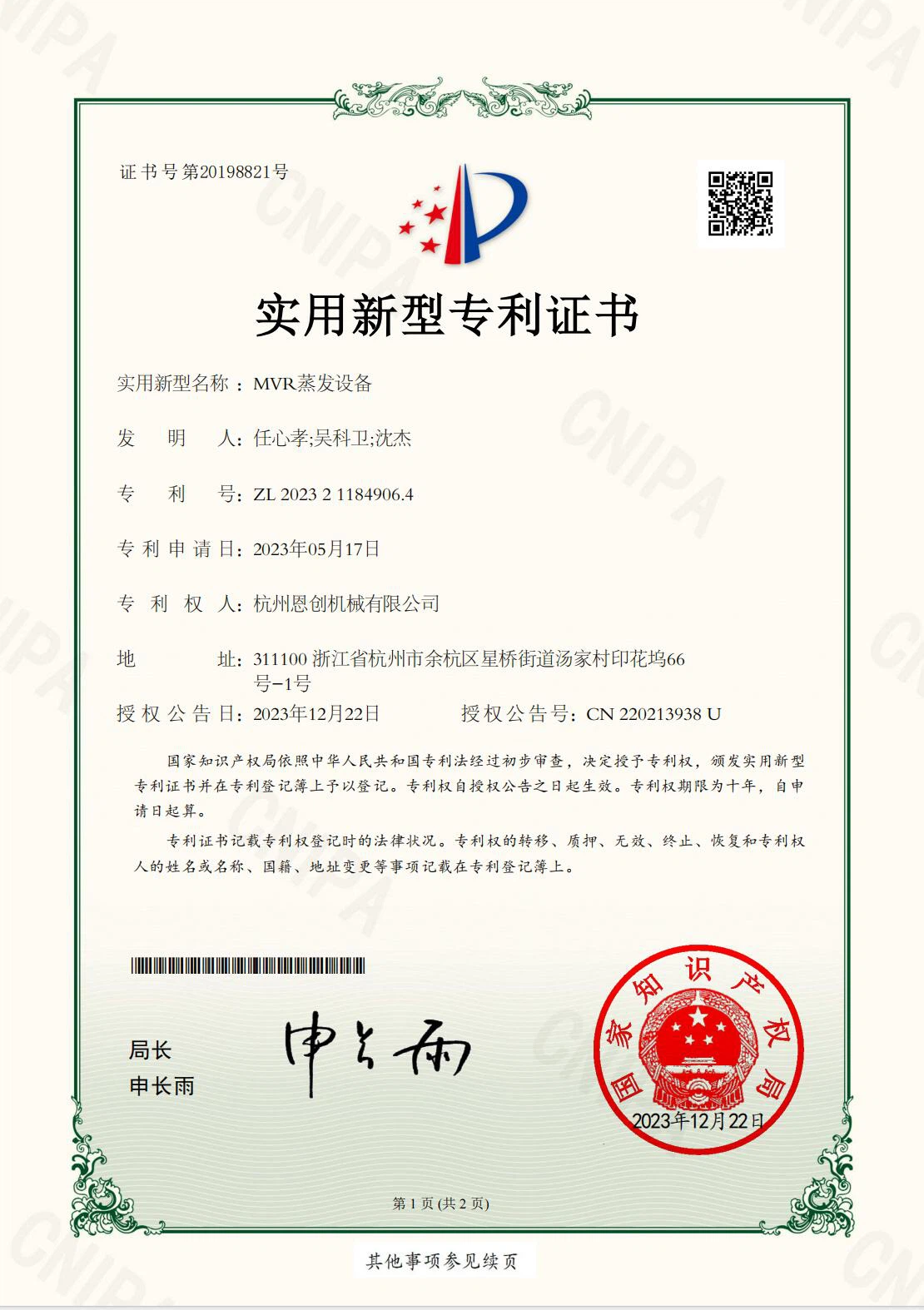
With 20 years of development, ENCO has obtained various industrial certifications, including ISO 14001, ISO 9001, ISO 45001, CE, and other IPs.
Sales Market
To date, ENCO has successfully completed over 500 industrial projects worldwide, spanning countries such as the USA, Australia, South Korea, Malaysia, Turkey, Jordan, Singapore, Kuwait, Mexico, and others.


What is Crystallizer?
Crystallization is a common process in the chemical industry that involves the precipitation of dissolved substances from a solution by cooling, evaporation, or chemical reaction. The solid particles that form during crystallization are called crystals, and they have a defined shape, size, and composition that depend on the conditions of the process. Crystals have many applications, from pharmaceuticals and food additives to electronics and construction materials, and their quality is critical for their performance.
Introduction of the Solution: The solution containing the solute to be crystallised is introduced into the crystallizer vessel.
Heating the Solution: The solution is heated using steam or hot water in the heating coils or jackets surrounding the crystallizer vessel. As the solution heats up, the solvent begins to evaporate.
Increasing Solvent Concentration: As the solvent evaporates, the solute becomes more concentrated in the solution, leading to supersaturation. This means that the solution becomes more concentrated with the solute than it would be at equilibrium under normal conditions.
Nucleation: Once the solution reaches a critical level of supersaturation, nucleation occurs. Nucleation is the initial formation of small crystal clusters within the solution.
Crystal Growth
With the presence of seed crystals or the help of an agitator, the nucleated crystals grow in size as more solute particles attach to them.
Separation of Crystals
As the crystallization process progresses, the crystals continue to grow until they reach a desired size. The crystals are then separated from the remaining solution using a separation mechanism.
Recycling or Disposal of Mother Liquor
The concentrated solution left after the crystallization process, known as the mother liquor, can be recycled back into the process for further crystallization or disposed of properly.

A crystallizer heats granulated amorphous PET to a temperature greater than its glass transition temperature, but just below its melting temperature. When the heated PET material reaches its “crystallization” temperature, the molecules of the amorphous PET rapidly change state: Crystalline structures grow and align within the molecules and the material changes from an amorphous state to a semi-crystalline state.
When the change is complete, this “crystallized” PET is ready for drying (if necessary) and processing, just like virgin material.Without crystallization, amorphous materials tend to agglomerate when they are heated up during drying. Agglomerated materials cause several problems:1) They disrupt smooth mass flow through a drying hopper, causing some material to have insufficient residence time.2) The large size of agglomerated clumps makes them difficult to dry and likely to retain unacceptable levels of moisture.3)Agglomerated clumps can get stuck or bridged in downstream processes, causing a myriad of other material handling issues.
Crystallization can be done as a continuous or a batch process, depending on the capabilities of your crystallizer equipment. Typically, crystallizers are sized according to the volume of material that can be crystallized per hour.
Parts of crystallizer
Pressure Relief Valves: In cases where the crystallization process generates pressure, pressure relief valves are installed to prevent over-pressurization and ensure safety.
Vessel Body: The main container that holds the solution or liquid undergoing crystallisation. It is designed to withstand the required temperature and pressure conditions.
Cooling/Heating Coils or Jackets: These are used to control the temperature of the solution within the vessel. Cooling coils or jackets facilitate cooling crystallisation, while heating coils or jackets enable evaporative crystallization.
Agitator/Mixer: An agitator or mixer is used to maintain uniformity and prevent settling or agglomeration of crystals. It ensures efficient heat and mass transfer, promoting crystal growth.
Nucleation Control Devices: These devices aid in controlling the nucleation process, which is crucial for determining crystal size and uniformity.
Crystal Separation Mechanism: Depending on the type of crystalliser, a separation mechanism may be included to remove crystals from the mother liquor once the crystallization process is complete.
Feed Inlet and Discharge Outlet: The feed inlet allows the introduction of the solution, while the discharge outlet is used to collect the crystals or the concentrated solution.
Level and Temperature Sensors: Sensors are used to monitor and control the level and temperature of the solution within the crystalliser vessel.
Sight Glass or Viewing Port: A transparent window that allows operators to visually inspect the progress of crystallization and the crystal bed inside the vessel.
Insulation: To maintain the desired temperature conditions and prevent heat loss, crystalliser vessels are often insulated.
Design of Crystallizer
Designing a crystalliser involves several steps to ensure optimal performance and efficient crystal formation. Below is a step-by-step guide, along with relevant formulas, for designing a cooling crystallizer:
Step 1: Define the Objectives and Requirements
Determine the objectives of the crystalliser design, including the desired crystal size, purity, production rate, and operating conditions. Consider factors like the solute’s solubility curve, cooling capacity, and available space.
Step 2: Calculate Heat Transfer Requirements
Determine the heat transfer required to cool the solution to the desired crystallization temperature. The formula for heat transfer is:
Q = m * Cp * ΔT
where:
Q = Heat transfer required (in Joules)
m = Mass of the solution (in kg)
Cp = Specific heat of the solution (in J/kg·°C)
ΔT = Temperature change (in °C)
Step 3: Estimate Cooling Area
Calculate the cooling area required to remove the calculated heat transfer. The formula for cooling area is:
A = Q / U * ΔTlm
where:
A = Cooling area (in m²)
U = Overall heat transfer coefficient (in W/m²·°C)
ΔTlm = Logarithmic mean temperature difference (in °C)
Step 4: Determine Agitation Requirements
Evaluate the need for agitation to ensure uniform mixing and prevent crystal agglomeration. Agitation requirements depend on the specific crystallization process and characteristics of the solute.
Step 5: Select Crystallizer Type and Configuration
Based on the cooling area, agitation requirements, and other factors, choose the appropriate crystalliser type and configuration (batch or continuous) that best suits the application.
Step 6: Determine Nucleation Control
To control crystal nucleation, consider adding nucleation-promoting devices or techniques to ensure consistent crystal size and uniformity.
Step 7: Select Separation Mechanism
Decide on the separation mechanism (filtration, centrifugation, etc.) to remove the crystals from the mother liquor after crystallization.
Step 8: Finalize Design Parameters
Specify the crystalliser's dimensions, cooling and agitation system, and other operational parameters based on the calculations and design considerations.
Step 9: Construct and Test the Crystallizer
Build the crystallizer according to the finalized design and test its performance with sample solutions to verify that it meets the desired objectives and requirements.

Applications of Crystallizers
Pharmaceuticals: In the pharmaceutical industry, crystallisers are employed to produce high-purity drug crystals, ensuring consistent dosage and efficacy. They are crucial in the production of antibiotics, vitamins, and various active pharmaceutical ingredients (APIs).
Food and Beverage: Crystallization plays a significant role in the production of sugar, salt, and chocolate. Controlling crystal size and structure influences the taste, texture, and appearance of these products.
Chemical Engineering: Crystallisers are used to separate and purify chemicals, generate high-purity substances, and recover valuable products from waste streams.
Petrochemicals: Crystallization is employed in the purification and processing of various petrochemical products, such as fatty acids and paraffin wax.
Mining and Minerals: In the mining industry, crystallizers are essential in mineral processing to extract valuable metals like copper, nickel, and uranium.
Types of Crystallizers
Forced Circulation Crystallizer:
Applying the vapor recompression principle, forced circulation crystallizers, whether thermal or mechanical, find extensive use in both single and multiple-effect configurations. Operating within the low vacuum to atmospheric pressure range, these units are favored when crystal size is not a critical factor or when crystal growth proceeds at a reasonable rate. So depending on the application, almost every building material may be used for the fabrication of these crystallizers.
Oslo Type Growth Crystallizer (classified-suspension crystallizer):
The Oslo style crystallizer, also known as a classified-suspension Best Crystallizer, represents the oldest design for producing large, coarse crystals. The architecture relies on desupersaturating the mother liquor by contacting the larger crystals in the crystallization chamber and holding the majority of the crystals in suspension without the use of a stirring system, allowing for the processing of large crystals with a narrow size distribution.
Cooling Crystallizer:
The solubility of a compound in certain solutions increases as the temperature rises. The mixture becomes supersaturated as saturated solutions cool, and crystallization begins. So the main benefits of cooling crystallization are high crystal size uniformity and energy consumption. The elimination of heat supply for evaporation results in significant energy savings. So in flash cooling, a segment of the liquid undergoes evaporation, efficiently eliminating latent heat and expediting the cooling process.
Evaporative Crystallizer:
In evaporative crystallization, the solution, which contains the solvent and the soluble portion to be crystallized, is heated until the solvent undergoes evaporation. Since the higher dosage exceeds the chemical compound’s solubility, the molecules of the soluble compound break out as crystals as the solvent evaporates. When dealing with common compounds including inorganic salts and sucrose, this is the most popular method of crystallization. Typically fueled by steam, crystallization units for heat supply often utilize forced circulation. So the process occurs at nearly isothermal temperatures, with evaporation being the predominant mechanism involved.
Vacuum Crystallizer:
While employed for salts with reduced solubility at higher temperatures, vacuum cooling crystallization involves gradually reducing pressure, leading to the evaporation of the solvent (water). The solution cools to its boiling point, resulting in the Best Crystallizer of salt as the temperature decreases. So air sucked in at the bottom of the crystallizer (air agitation) keeps it suspended and transports it to the outlet.
Maintenance Tips for Crystallizer
Regularly replace parts: Regularly replace parts that may wear or damage, such as filters and pumps, to ensure the normal operation of the equipment.
Regular cleaning: Regular cleaning of the crystallizer can remove dirt and sediment that may accumulate in the equipment, ensuring that the equipment works normally.
Check the temperature: The temperature of the crystallizer is an important parameter that affects the crystallization process. Regularly check the temperature of the crystallizer to ensure that the temperature is stable and suitable for the crystallization process.
Check the pH value: The pH value of the crystallizer solution also affects the crystallization process. Regularly check the pH value of the crystallizer solution to ensure that the pH value is stable and suitable for the crystallization process.
Check the filter: The filter of the crystallizer is an important component that affects the quality of the crystal. Regularly check the filter to ensure that the filter is clean and working properly.
Check the pump: The pump of the crystallizer is an important component that affects the flow rate and pressure of the solution. Regularly check the pump to ensure that the pump is working properly.
Check the piping: The piping of the crystallizer is an important component that affects the flow rate and pressure of the solution. Regularly check the piping to ensure that the piping is not leaking or blocked.
Certifications

Our Factory
We focus on the design and manufacture of multi-phases evaporators, MVR evaporators, industrial continuous crystallizers, extraction and concentration equipment, fermentation, steam compressors, dryers, filter press, reaction equipment and membrane filtration equipment. With more than 20years experiences, we obtained many patents in this industry.

FAQ
We're well-known as one of the leading crystallizer manufacturers and suppliers in China. Please rest assured to buy custom made crystallizer from our factory. Contact us for more details.