








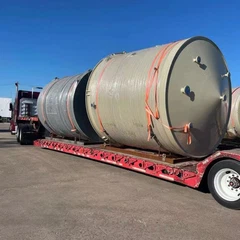
FRP Tank
Why Choose Us
Our Products
We specialize in designing and manufacturing multi-phase evaporators, MVR evaporators, industrial continuous crystallizers, extraction and concentration equipment, fermentation systems, steam compressors, dryers, filter presses, reaction equipment, and membrane filtration equipment.
Solutions
ENCO provides integrated solutions encompassing in-house engineering, manufacturing, modular system design, installation, commissioning, and O&M services. ENCO's modularization approach has proven to be cost-effective and time-saving, particularly for overseas projects.
Our Certificates
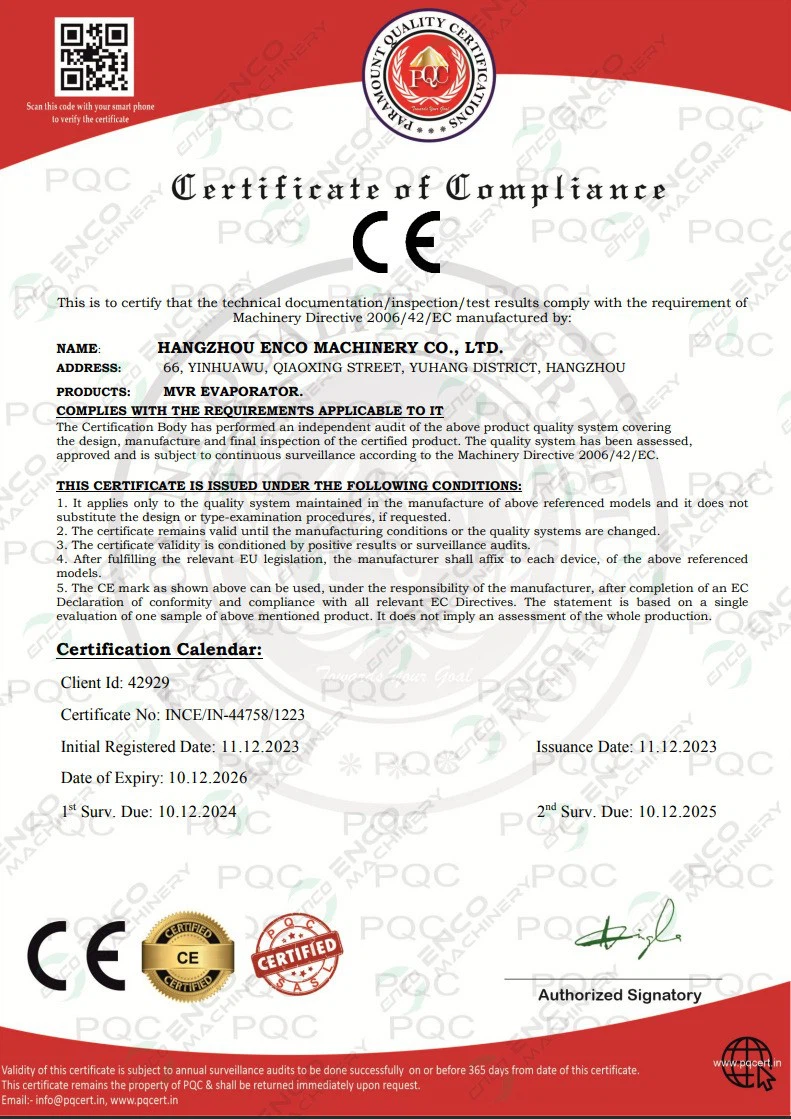
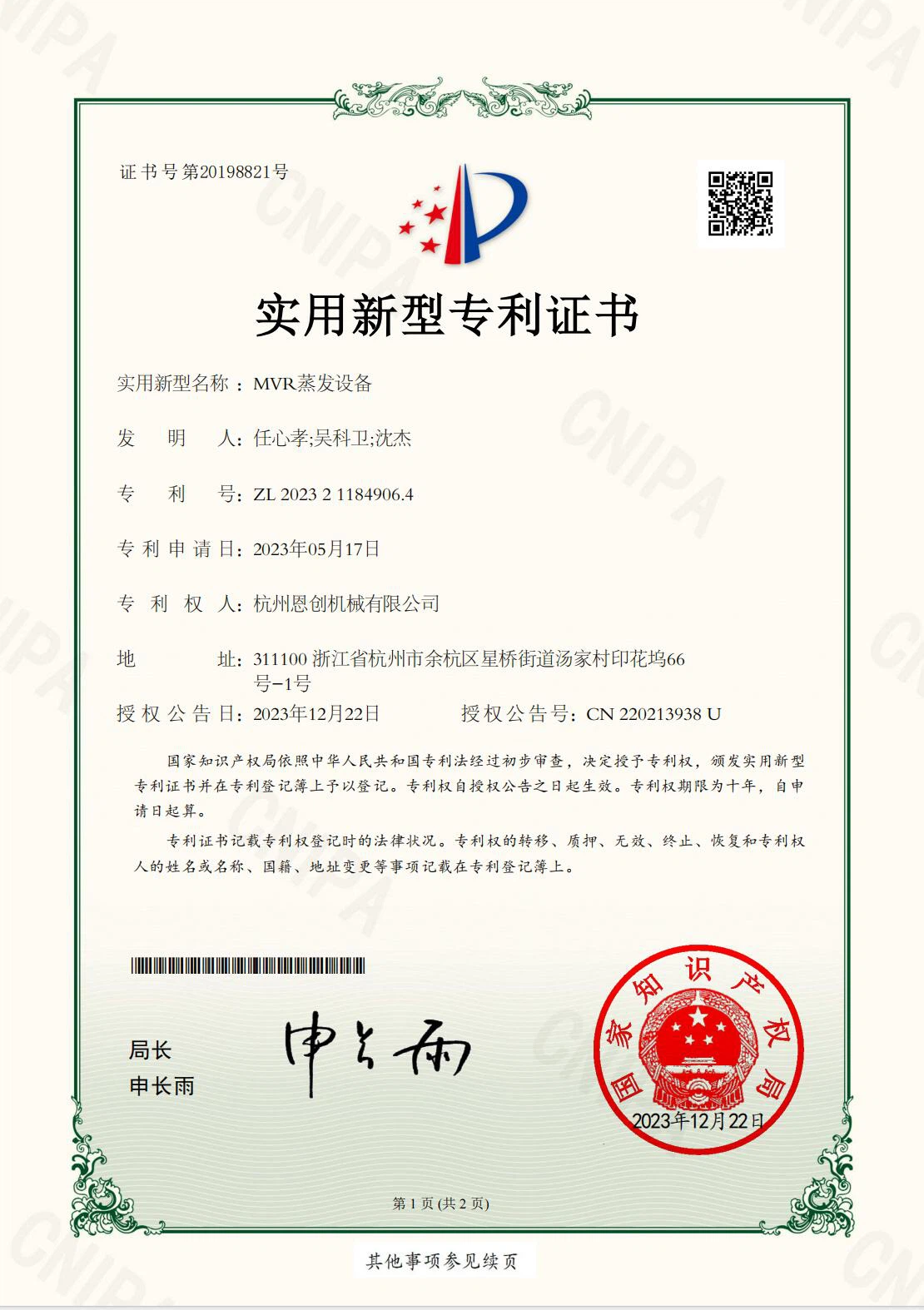
With 20 years of development, ENCO has obtained various industrial certifications, including ISO 14001, ISO 9001, ISO 45001, CE, and other IPs.
Sales Market
To date, ENCO has successfully completed over 500 industrial projects worldwide, spanning countries such as the USA, Australia, South Korea, Malaysia, Turkey, Jordan, Singapore, Kuwait, Mexico, and others.


What is FRP Tank?
FRP Storage Tank is currently the leading industry standard tank on the market, due to its lightweight and strong fiberglass design, the FRP tank provides safe storage without the risk of corrosion or bacterial contamination.
With ideal design characteristics, shape performance, and ease of maintenance, compared with steel, FRP (fiberglass reinforced plastic) has high corrosion resistance and a specific gravity of 1.5 to 1.9, much lower than 7.8 for steel. However, its mechanical strength is higher than steel. It is also characterized by a low coefficient of thermal expansion and thermal insulation of the facades. FRP tank is widely used in many fields.
Advantages of Fibreglass Storage Tanks
100% Watertight
Fibreglass (FRP) tanks are manufactured as a completely sealed unit. Penetrations through the walls are made in the factory with compatible materials. There are no joints in the unit which are required to be sealed on site. This makes the tanks 100% watertight.
Being watertight has two distinct advantages. First, it prevents the ingress of other fluids and gases into the tank. There by avoiding contamination or dilution of the stored product. Second, it prevents the contamination of the surrounding area with chemicals leaking out of the storage tank.
Resistance to Chemical Attack
Fibreglass (FRP) was recognised early in its development as having a high resistance to chemical attack. GRP Tank Solutions carefully selects the most appropriate resin system for the required applications to ensure it meets the asset owners expectations.
Low Maintenance
Due to the smoothness of the glass resin interior surface of the Fibreglass (FRP) units, particles have difficulty adhering to the sides. The smooth walls of the Fibreglass (FRP) station mean the time taken and frequency of washing down the tanks and build-up of product on the tank walls is significantly reduced. Thereby reducing the operator’s maintenance costs and equipment downtime.
Ease of modifications during the life of the tank
During the life of any tank minor modifications are generally required to the external fixtures in the tank. For example, the addition of extra brackets etc. These can easily be added to the station by utilising Fibreglass (FRP) brackets or mounting plates which are “glassed” onto the internal walls at the required location. It is not necessary to drill through the wall for anchorage. As such the overall structural integrity and water tightness of the structure is not compromised.
Abrasion Resistance
The Fibreglass (FRP) tanks are manufactured to have high surface abrasion resistance. This is achieved by forming a layer of pure resin material at the surface which is not only smooth, thereby reducing friction, but also has high strength.
Raw Material Selection
The manufacturing process of FRP tanks begins with the careful selection of high-quality materials.
These typically include fiberglass reinforcements and a thermosetting resin.
Fiberglass reinforcements provide the tanks with strength and rigidity, while the thermosetting resin acts as a binder, ensuring excellent corrosion resistance.
Mold Preparation
Preparing the mold is a crucial step in manufacturing FRP tanks.
The mold determines the tank's shape and dimensions and is typically made from fiberglass, steel, or aluminum.
Meticulous cleaning and treatment of the mold ensure proper release and a smooth surface finish.
Layering and Resin Application
Layering is a critical step in FRP tank manufacturing.
Pre-cut fiberglass reinforcements, shaped according to requirements, are carefully positioned within the mold.
The number and arrangement of these layers depend on the tank's intended use and desired strength. After layering, the thermosetting resin is applied to saturate the fiberglass fully and ensure a strong bond.
Curing Process
Following the resin application, the curing process begins.
The tank is subjected to heat and pressure, allowing the resin to harden and bond with the fiberglass reinforcements.
Curing is vital for achieving the desired strength and durability of the final product. The duration of the curing process varies based on the tank’s size and complexity.
Trimming and Finishing
Once the tank has cured, it is carefully removed from the mold.
Any excess fiberglass is trimmed, and the surface is prepared for finishing touches.
This may involve sanding, buffing, or applying a protective gel coat to enhance appearance and UV resistance.
Application of FRP Tanks
Storage of Chemicals: FRP (Fiber Reinforced Plastic) tanks are widely used for the storage of chemicals in various industries. The tanks are corrosion-resistant, providing a safe and durable storage solution for various corrosive chemicals such as acids, alkalis, solvents, and other hazardous substances.
Water and Wastewater Treatment: FRP tanks are extensively used in water and wastewater treatment plants. These tanks are ideal for storing and treating water, including potable water, as they are non-toxic and do not contaminate the water. They can also be used for the storage and treatment of wastewater, including industrial effluents.
Oil and Gas Industry: FRP tanks find applications in the oil and gas industry for the storage of oil, gas, and various petroleum products. These tanks are resistant to corrosion and can withstand harsh environmental conditions, making them suitable for offshore and onshore oil and gas storage.
Agriculture and Aquaculture: FRP tanks are used in agriculture and aquaculture for various purposes. They are ideal for storing fertilizers, pesticides, and other agricultural chemicals, ensuring their safe and effective use. In aquaculture, FRP tanks are used for the breeding and storage of fish, shrimps, and other seafood.
Food and Beverage Industry: FRP tanks are also used in the food and beverage industry for storage purposes. These tanks are suitable for storing food products such as juices, sauces, oils, and various ingredients. They are hygienic, easy to clean, and comply with food safety regulations.
Pharmaceutical Industry: In the pharmaceutical industry, FRP tanks are used for storing various chemicals, ingredients, and pharmaceutical products. These tanks ensure the safety and integrity of the stored materials, protecting them from contamination and deterioration.
Mining and Construction: FRP tanks are used in mining and construction for various purposes. They can be employed for the storage of chemicals and fuel used in mining operations. Additionally, they are used in construction sites for the storage of water, cement, and other construction materials.
Power Generation: FRP tanks find applications in power generation plants for the storage of chemicals, including cooling water treatment chemicals and fuel additives. These tanks ensure the efficient and safe operation of the power generation equipment.
Transportation: FRP tanks are also utilized in transportation for the storage of fuels such as gasoline and diesel. They are commonly used in trucks, buses, and other vehicles as fuel tanks, providing a lightweight and durable storage solution.
Military and Defense: FRP tanks are employed in military and defense applications for various purposes. They can be used for the storage of fuel, water, and other essential supplies in military vehicles, aircraft, and ships.
Types Of Frp Tank
Horizontal FRP Tanks: These tanks are designed to be installed horizontally and are commonly used for storage and transportation of liquids such as water, chemicals, and fuels. They have a cylindrical shape and can be customized to fit specific storage requirements.
Vertical FRP Tanks: Vertical tanks are designed to be installed in an upright position and are commonly used for storing liquids that have a higher specific gravity than water. They offer a smaller footprint compared to horizontal tanks and are often used for chemical storage, water treatment, and industrial applications.
Cone Bottom FRP Tanks: These tanks are designed with a cone-shaped bottom, allowing for easy drainage. They are commonly used for applications where complete drainage is required, such as in wastewater treatment plants, chemical processing, and food production.
Rectangular FRP Tanks: Rectangular tanks are custom-built and are used for a wide range of applications, including water and wastewater treatment, storage of corrosive chemicals, and aquaculture. They offer a space-saving design and can be easily integrated into existing infrastructure.
Dual-Laminate FRP Tanks: Dual-laminate tanks are constructed with a combination of fiberglass reinforced plastic (FRP) and an inner liner made of materials such as polyvinyl chloride (PVC), polypropylene (PP), or perfluoroalkoxy (PFA). This design offers enhanced chemical resistance and increased durability, making it suitable for storing corrosive chemicals and acids.
Underground FRP Tanks: These tanks are specifically designed to be installed underground and are commonly used for storing water, wastewater, and chemicals. They are resistant to corrosion, lightweight, and offer easy installation and maintenance.
Aboveground FRP Tanks: Aboveground tanks are designed to be installed above the ground and are used for storage and processing of various liquids. They are available in a wide range of sizes and can be customized to meet specific requirements.
Insulated FRP Tanks: Insulated tanks are designed with an additional layer of insulation to maintain the temperature of the stored liquid. They are commonly used for storing chemicals, oils, and other temperature-sensitive liquids.
Bunded FRP Tanks: Bunded tanks are designed with an additional outer tank or containment to prevent leaks or spills from reaching the environment. They are commonly used for storing hazardous substances and comply with environmental regulations.
Steps to Maintain FRP Tanks
Step 1: Visually examine the tank
Inspect the tank visually at first. During this step, both interior and exterior surfaces are meticulously inspected. It is done for the purpose of discovering any damage, corrosion, or any other abnormalities that could affect the FRP tanks cleansing process. This phase is essential because it identifies areas that may require special attention or repairs prior to cleansing.
While examining the interior of the FRP tanks, remove any access coverings or manholes to obtain a clear view. Examine the walls, floor, and ceiling of the tank for fractures in the FRP layers. It is necessary to check the joints and connections for the leakage. During the interior examination, it is important to determine whether any extraneous residue is accumulated.
The exterior examination must include roof, bottom or any fixtures that are affixed. Examine metal components of the FRP chemical storage tanks, such as support structures, connectors, and fasteners, for corrosion or rust. Pay close attention to areas of the tank that are in contact with the ground or other structures. It is so because they may be more prone to damage or corrosion.
Step 2: Inspect for leaks
Before beginning the cleansing procedure, it is essential to inspect the FRP tanks for leakage to ensure its structural integrity. This phase involves pressurizing or filling the reservoir with water in order to inspect for leaks. Resolve the leaks prior to cleansing by conducting a leak test.
Before conducting the leak test, ensure that the reservoir is emptied and close all the access points like valves. Mark the locations of any detected breaches and resolve the problems before proceeding with the cleansing.
In lieu of pressurizing the FRP water tanks, a water fill test can be performed by filling the tank with water. Internally and externally inspect all areas of the tank for signs of water leakage, such as leaking, collecting, or damp patches. Depending on the nature and severity of the leakage, restorations may consist of repairing damaged areas, replacing defective components, or applying appropriate sealants or coatings.
Step 3: Cleaning
A series of procedures are required to ensure the complete removal of residues and deposits. Empty the tank's contents according to the correct procedures. Ensure that all valves and outlets are closed or disconnected to prevent spillage and leakage during cleansing. Once the tank has been emptied, it should be flushed with water to remove any remaining debris, sediment, or liquids.
Choose a cleansing solution based on the type of contaminants or residues present in the FRP chemical storage tanks. Heavy deposits or residues may necessitate additional cleansing efforts. Utilize specialized equipment such as stiff-bristled scouring brushes or high-pressure water nozzles, to effectively remove obstinate deposits. Ensure that all cleaning solutions and residues or deposits are completely flushed out by directing the water flow across all interior surfaces of the FRP tanks.
Step 4: Check for the FRP tank's support
It is essential to inspect the tank's supports, anchors, and structural components to ensure tank's durability. This phase involves inspecting these components for any signs of damage, deterioration, or vulnerabilities that could compromise the structural integrity of the FRP tanks.
Examine the item for any obvious indications of damage, such as warping, splitting, corrosion, or missing parts. Pay close attention to any indicators of deterioration, such as excessive corrosion, pitting, or material degradation. By addressing any issues discovered during the inspection, the stability, safety, and longevity of the FRP tanks can be maintained. It ensures proper operation and minimizes the risk of catastrophic failures.
Step 5: Interior of the FRP tanks
It is essential to monitor the interior environment of the FRP tanks. It comprises monitoring factors such as humidity, temperature and ventilation to keep the tank in the optimal condition.
Assess the humidity levels within the tank, especially for tanks that may contain moisture-sensitive materials. Regularly monitor the temperature inside the tank to ensure that it remains within the recommended range for the liquids or substances being stored. Utilize strategically located temperature sensors or indicators within the FRP chemical storage tanks to accurately monitor the temperature. Ensure that the tanks have adequate ventilation to promote air circulation and prevent the accumulation of potentially hazardous gasses or vapors.
Certifications





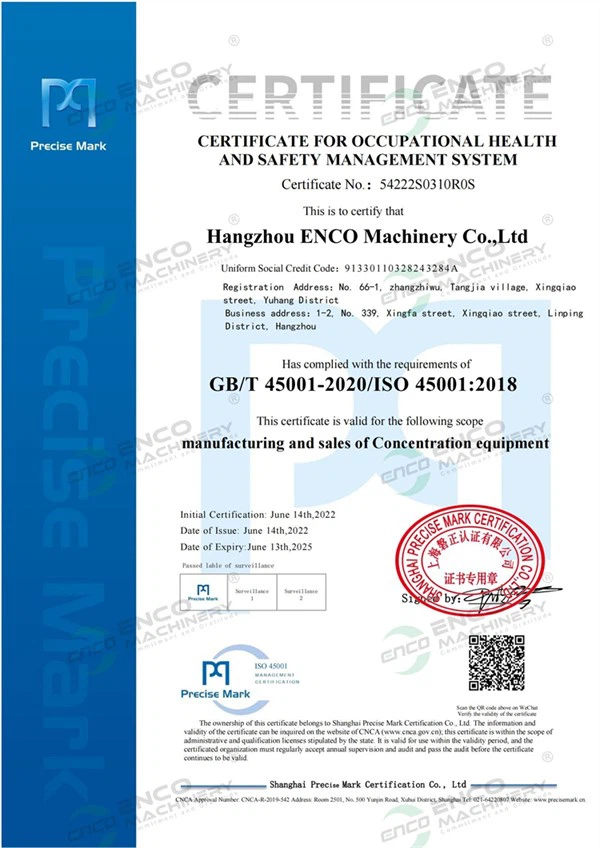

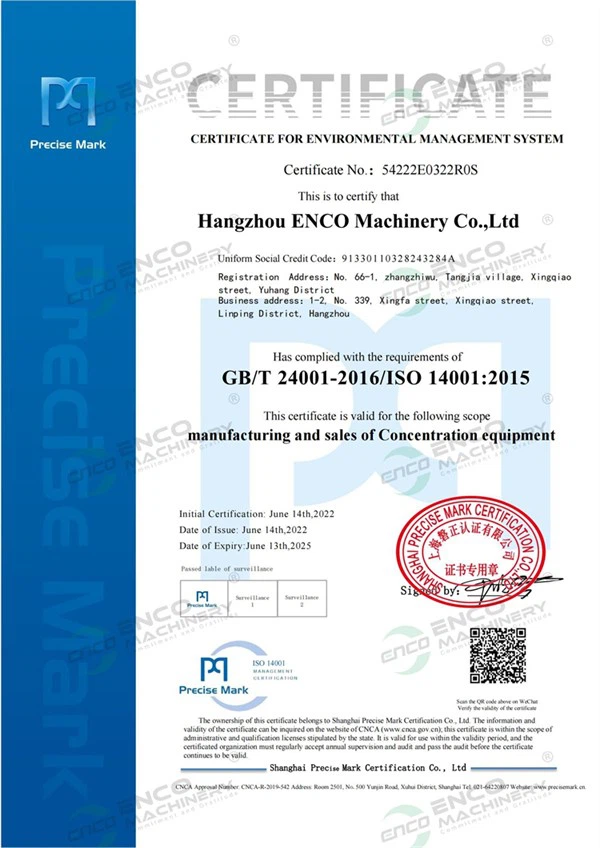
Our Factory
We focus on the design and manufacture of multi-phases evaporators, MVR evaporators, industrial continuous crystallizers, extraction and concentration equipment, fermentation, steam compressors, dryers, filter press, reaction equipment and membrane filtration equipment. With more than 20years experiences, we obtained many patents in this industry.

FAQ
We're well-known as one of the leading frp tank manufacturers and suppliers in China. Please rest assured to buy custom made frp tank from our factory. Contact us for more details.
FRP Tank, Frp Chemical Tank, Frp Chemical Storage Tanks