


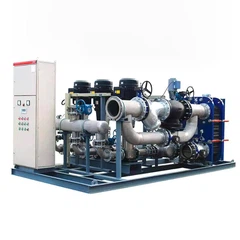
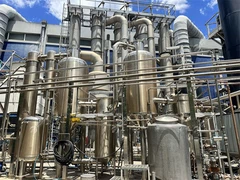
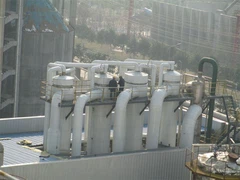
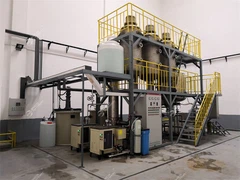






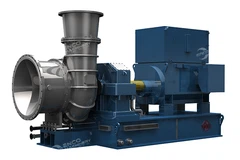
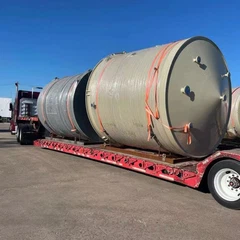
Steam Compressor
Why Choose Us
Our Products
We specialize in designing and manufacturing multi-phase evaporators, MVR evaporators, industrial continuous crystallizers, extraction and concentration equipment, fermentation systems, steam compressors, dryers, filter presses, reaction equipment, and membrane filtration equipment.
Solutions
ENCO provides integrated solutions encompassing in-house engineering, manufacturing, modular system design, installation, commissioning, and O&M services. ENCO's modularization approach has proven to be cost-effective and time-saving, particularly for overseas projects.
Our Certificates
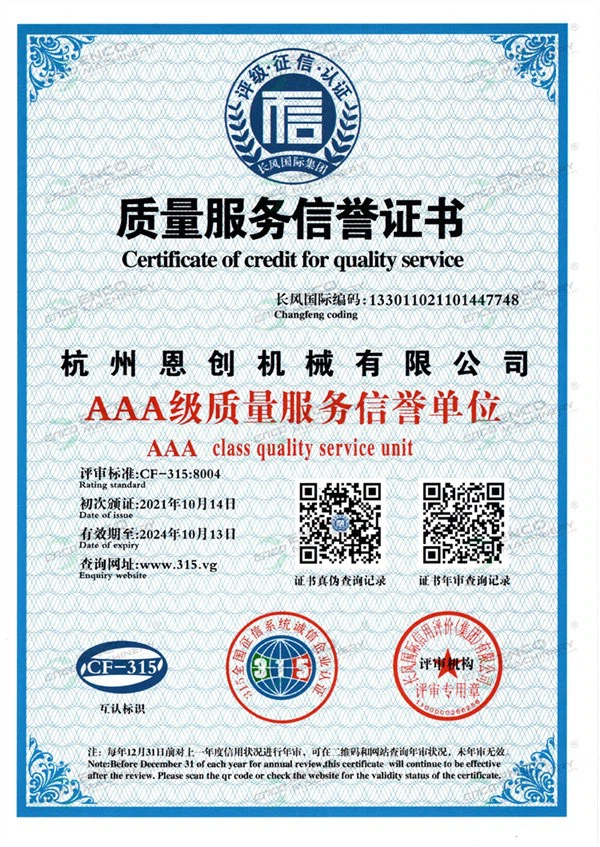
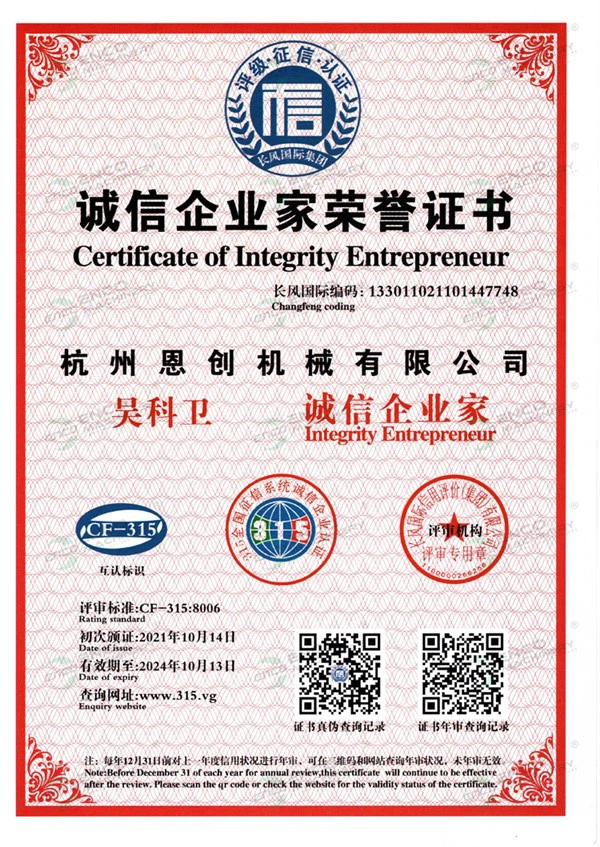
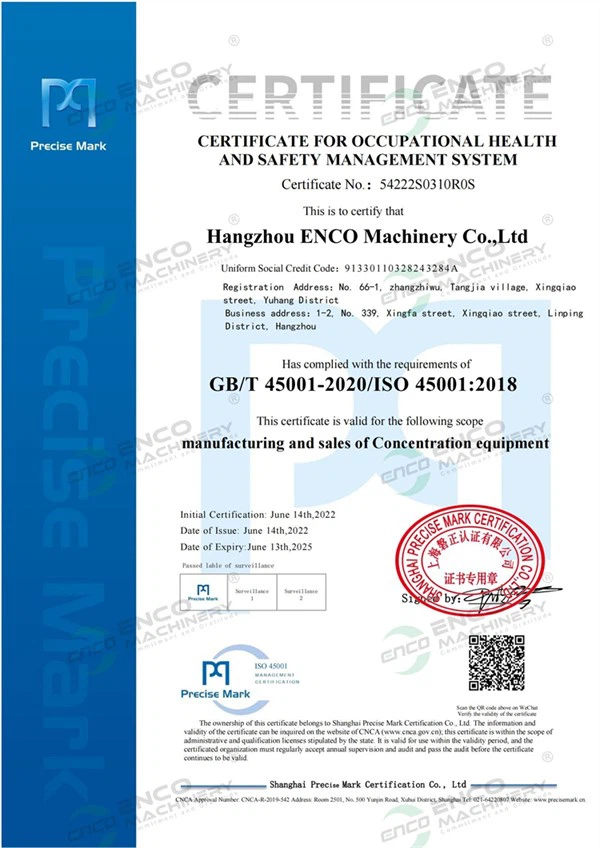
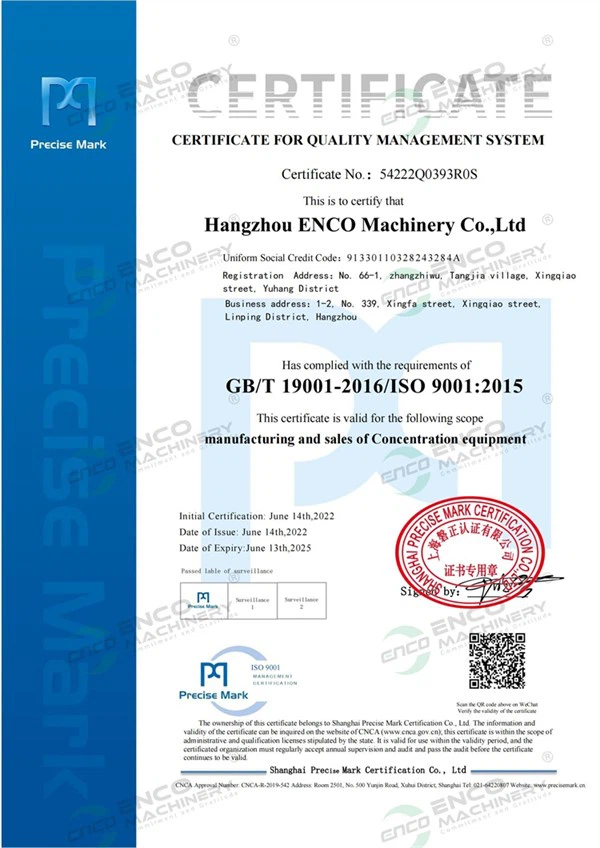
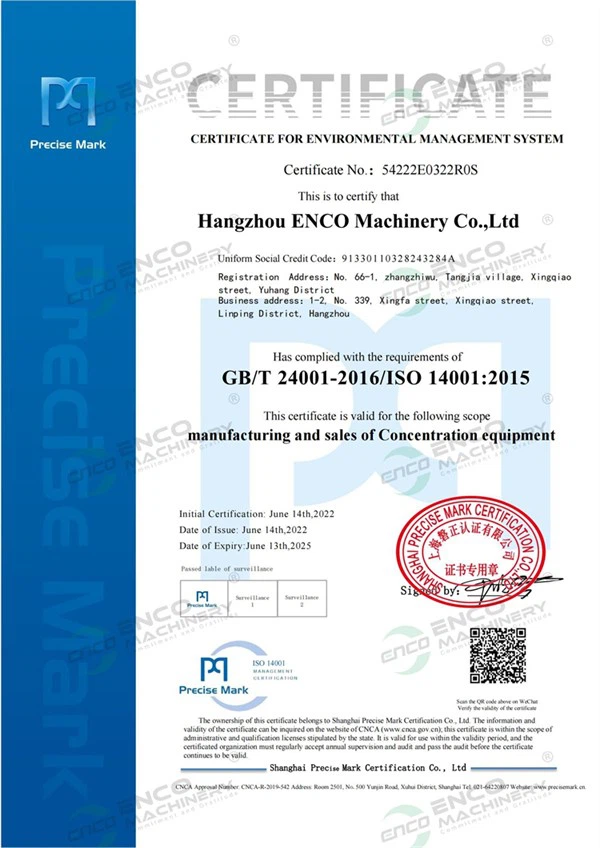
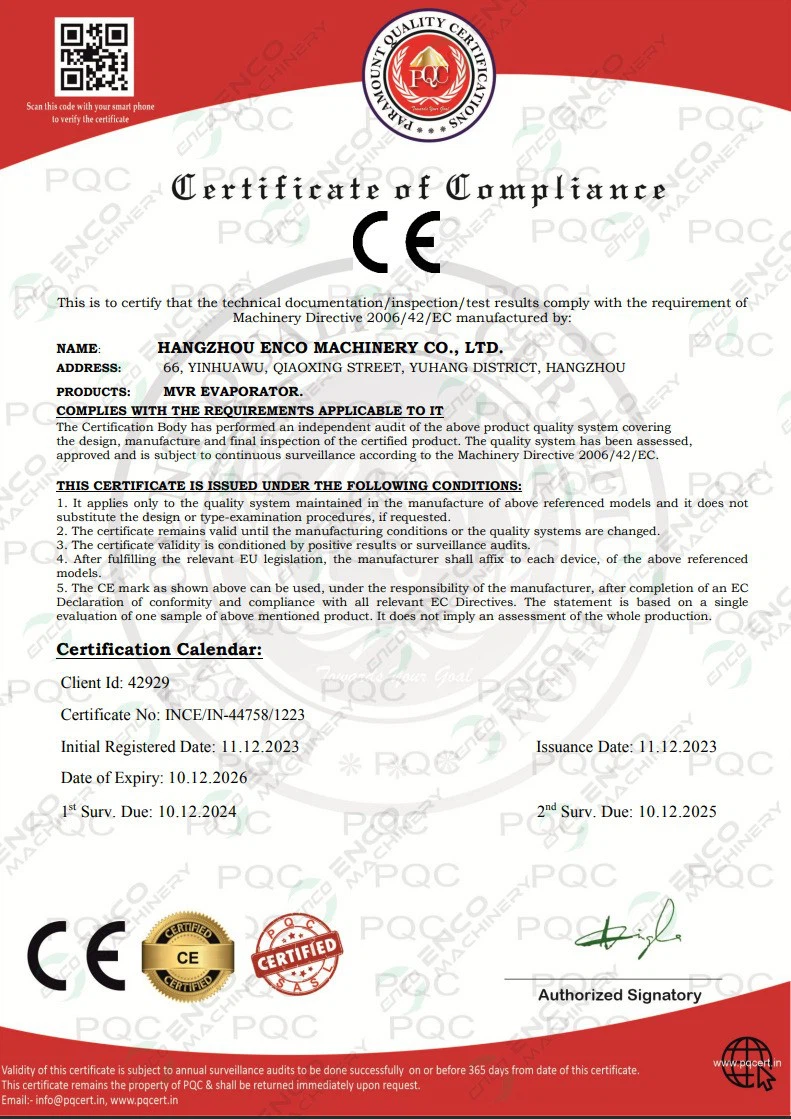
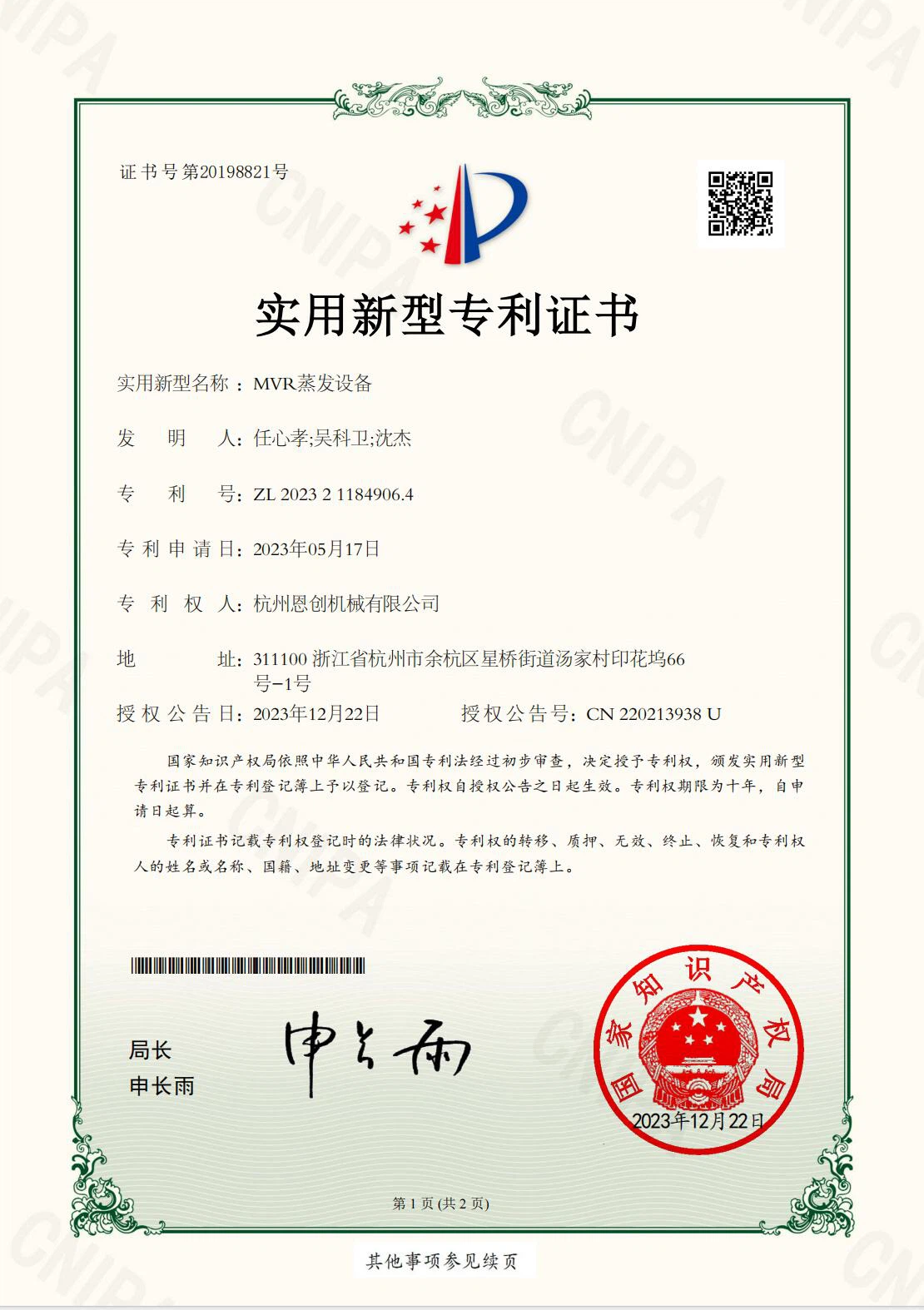
With 20 years of development, ENCO has obtained various industrial certifications, including ISO 14001, ISO 9001, ISO 45001, CE, and other IPs.
Sales Market
To date, ENCO has successfully completed over 500 industrial projects worldwide, spanning countries such as the USA, Australia, South Korea, Malaysia, Turkey, Jordan, Singapore, Kuwait, Mexico, and others.


What is Steam Compressor?
A steam compressor is a type of compressor that uses steam as the working fluid to compress gases or vapors. It is commonly used in industrial processes where high-pressure steam is readily available, such as in power plants or chemical plants. The steam compressor works by using the energy from the steam to compress the gas or vapor, which increases its pressure and temperature. The compressed gas or vapor can then be used for various purposes, such as powering turbines or driving chemical reactions. Steam compressors are typically more efficient than other types of compressors, as they use the energy from the steam to do the work of compression, rather than relying on an external power source.
Advantages of Steam Compressor
High Efficiency: The steam compressor is known for its high efficiency in converting thermal energy into mechanical energy. It utilizes steam as the working fluid and effectively compresses it to generate power. This efficiency leads to significant energy savings and reduces overall operating costs.
Eco-Friendly: Steam compressors are environmentally friendly as they do not release harmful emissions or pollutants into the atmosphere. Unlike traditional compressors that rely on chemical refrigerants, steam compressors utilize water as the primary medium, making them a greener option for industrial applications.
Versatility: Steam compressors offer versatility in terms of their application. They can be used in various industries, including power plants, chemical plants, oil refineries, and food processing facilities. Their ability to handle different types of steam pressures and temperatures makes them suitable for a wide range of operations.
Reliability: Steam compressors are highly reliable due to their simple design and robust construction. They have fewer moving parts compared to other types of compressors, resulting in reduced chances of mechanical failure. This reliability ensures uninterrupted operation and minimizes downtime.
Compactness: Steam compressors are designed to be compact and space-efficient. They occupy less floor space compared to other types of compressors with similar capabilities. This feature makes them an ideal choice for industries where real estate is limited.
Low Maintenance: The simplicity of the steam compressor's design translates to low maintenance requirements. With fewer components to inspect and maintain, routine service and repairs become easier and less time-consuming. This factor reduces the overall maintenance costs for businesses.
Enhanced Safety: Steam compressors prioritize safety. They are equipped with safety mechanisms and pressure relief valves to prevent over-pressurization. Additionally, their operation involves minimal exposure to hazardous chemicals, minimizing the risks associated with handling and disposal.
Energy Recovery: Steam compressors have the advantage of energy recovery. The compressed steam can be utilized for various heating purposes within the industrial facility, such as space heating or process heating. This energy recovery capability improves energy efficiency and reduces the demand for additional heating systems.
Cost-Effective: The overall cost-effectiveness of steam compressors is another advantage. Their high efficiency leads to energy savings, which directly translates to reduced operational costs. Additionally, their reliability and low maintenance requirements result in long-term cost savings for businesses.
Inlet section: The steam compressor consists of an inlet section where the steam enters the compressor from the steam source. This section is designed to guide the steam into the compressor and maintain a steady flow.
Impeller: The impeller is the main rotating component of the steam compressor. It is typically made of a high-strength material to withstand high-speed rotation and the impact of the steam. The impeller blades are designed to increase the kinetic energy of the steam, pushing it towards the outlet.
Casing: The casing encloses the impeller and acts as a housing for the steam compressor components. It is designed to prevent the steam from escaping and efficiently direct the steam flow towards the outlet.
Diffuser: The diffuser is located immediately after the impeller. Its purpose is to slow down the high-speed steam flow and convert kinetic energy into pressure energy. The diffuser consists of multiple vanes that gradually expand, creating a larger cross-sectional area for the steam to flow through.
Outlet section: The outlet section is where the compressed steam exits the compressor. It is designed to direct the steam towards the desired destination, such as a turbine or another part of the steam system.
Bearings: Bearings are essential components that support the rotation of the impeller shaft. They help reduce friction and ensure smooth operation of the compressor. Modern steam compressors often use anti-friction bearings for improved efficiency and durability.
Shaft: The shaft connects the impeller to the motor or turbine that drives the rotation. It needs to be strong enough to withstand the torque and stresses generated during operation.
Seals: Seals are used to prevent steam leakage and maintain optimal compression efficiency. Different types of seals, such as labyrinth seals or mechanical seals, are employed to minimize steam losses.
Control system: A steam compressor may be equipped with a control system to regulate its operation based on various factors such as steam pressure, flow rate, and temperature. The control system ensures optimal performance of the compressor under different operating conditions.
Working Principle Of Steam Compressor
- Steam compressors are mechanical devices designed to increase the pressure and temperature of steam.
- The basic principle behind the operation of a steam compressor is to convert the kinetic energy of steam into potential energy by increasing its pressure.
- Steam compressors typically consist of a compressor assembly, a condenser, an expansion valve, and a pump.
- The compressor assembly is responsible for compressing the steam and increasing its pressure. It usually consists of a series of rotating blades attached to a centrally located shaft.
- As the steam passes through the compressor assembly, the blades impart a high-speed rotational motion to it. This increases the velocity and kinetic energy of the steam.
- The condenser is used to cool down the compressed steam and convert it back into a liquid state. This is achieved by passing the steam through a series of tubes or coils, which are surrounded by a cooling medium.
- The purpose of cooling down the steam is to remove its excess heat and reduce its temperature to a level where it can be safely handled or utilized further.
- The expansion valve controls the flow of the compressed steam into the desired destination or application. It regulates the pressure and temperature of the steam as it exits the compressor.
- The pump is responsible for transporting the condensed steam or liquid phase from the condenser back into the system for reuse. It ensures a continuous flow of steam through the compressor.
- Overall, the working principle of a steam compressor involves the compression of steam to increase its pressure, followed by cooling and conversion into a liquid phase before reusing it in the system.

Maintenance Tips for Steam Compressor
Steam compressor is a steam-driven compressor, which is also known as steam turbine compressor. It is a kind of centrifugal compressor that uses steam turbine power as the driving force to compress steam. Steam compressors are mainly used in petrochemical, power generation, metallurgy, chemical, food and other industries. The following are some steam compressor maintenance tips:
Regular cleaning: Regular cleaning of the steam compressor can remove dirt and sediment that may accumulate in the equipment, ensuring that the equipment works normally.
Check the temperature: The temperature of the steam compressor is an important parameter that affects the compression process.
Regularly check the temperature of the steam compressor to ensure that the temperature is stable and suitable for the compression process.
Check the pressure: The pressure of the steam compressor is an important parameter that affects the compression process. Regularly check the pressure of the steam compressor to ensure that the pressure is stable and suitable for the compression process.
Check the oil level: The oil level of the steam compressor is an important parameter that affects the lubrication of the equipment. Regularly check the oil level of the steam compressor to ensure that the oil level is sufficient and suitable for the lubrication of the equipment.
Check the filter: The filter of the steam compressor is an important component that affects the quality of the compressed steam. Regularly check the filter to ensure that the filter is clean and working properly.
Check the piping: The piping of the steam compressor is an important component that affects the flow rate and pressure of the steam. Regularly check the piping to ensure that the piping is not leaking or blocked.
Regularly replace parts: Regularly replace parts that may wear or damage, such as filters and bearings, to ensure the normal operation of the equipment.
A steam compressor is a type of machine that is used to increase the pressure and temperature of steam, making it suitable for various industrial applications. There are several different types of steam compressors available, each with its own unique characteristics and uses.
Centrifugal Steam Compressor: This type of steam compressor uses centrifugal force to increase the pressure and temperature of steam. It consists of a rotating impeller and a diffuser, which work together to compress the steam. Centrifugal compressors are widely used in large-scale power plants and industries where a continuous flow of steam is required.
Reciprocating Steam Compressor: This type of compressor operates by using a piston and cylinder arrangement. The piston moves back and forth, compressing the steam to increase its pressure. Reciprocating compressors are known for their high efficiency and ability to handle high-pressure steam. They are commonly used in small to medium-sized power plants and various industrial processes.
Axial Steam Compressor: An axial steam compressor uses a series of rotating blades arranged in a circular motion to compress the steam. The blades provide the necessary pressure rise by pushing the steam in a forward direction. These compressors are often used in applications where a large volume of steam needs to be compressed at a low pressure ratio.
Diaphragm Steam Compressor: In a diaphragm compressor, a flexible diaphragm is used to compress the steam. The diaphragm moves back and forth, compressing the steam in a controlled manner. Diaphragm compressors are commonly used in low-pressure applications where a high degree of compression is required.
Screw Steam Compressor
This type of compressor consists of two rotating screws which intermesh and compress the steam as it passes through the compressing chamber. Screw compressors are known for their high efficiency and can handle a wide range of steam pressures. They are often used in refrigeration and air conditioning systems.
Vortex Steam Compressor
Vortex compressors use the principle of vortex flow to compress the steam. The steam enters the compressor tangentially and creates a swirling motion, which increases its pressure. These compressors are suitable for low-pressure applications and are often used in cooling systems.
Jet Steam Compressor
A jet compressor uses a high-velocity steam jet to entrain and compress the low-pressure steam. The compressed steam and the remaining motive steam are then separated. Jet compressors are commonly used in industries where energy-efficient compression is required.
Certifications



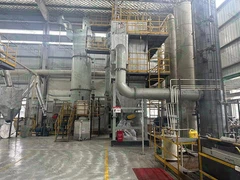
Our Factory
We focus on the design and manufacture of multi-phases evaporators, MVR evaporators, industrial continuous crystallizers, extraction and concentration equipment, fermentation, steam compressors, dryers, filter press, reaction equipment and membrane filtration equipment. With more than 20years experiences, we obtained many patents in this industry.

FAQ
We're well-known as one of the leading steam compressor manufacturers and suppliers in China. Please rest assured to buy custom made steam compressor from our factory. Contact us for more details.
Mvr Steam Compressor, Steam Powered Air Compressor, Steam Powered Compressor