


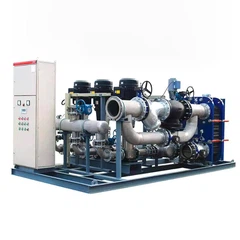
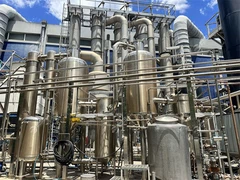
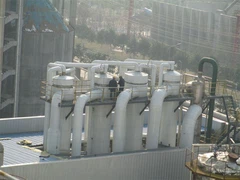
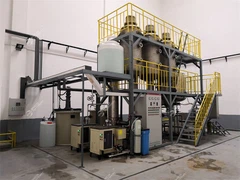
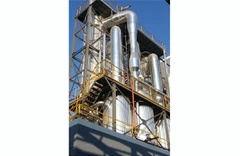
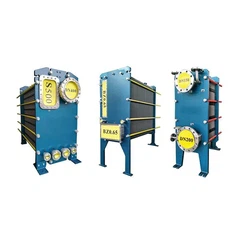






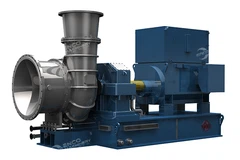
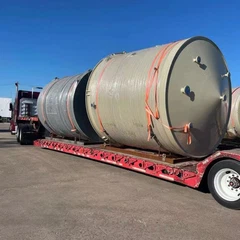
Triple Effect Evaporator
Why Choose Us
Our Products
We specialize in designing and manufacturing multi-phase evaporators, MVR evaporators, industrial continuous crystallizers, extraction and concentration equipment, fermentation systems, steam compressors, dryers, filter presses, reaction equipment, and membrane filtration equipment.
Solutions
ENCO provides integrated solutions encompassing in-house engineering, manufacturing, modular system design, installation, commissioning, and O&M services. ENCO's modularization approach has proven to be cost-effective and time-saving, particularly for overseas projects.
Our Certificates
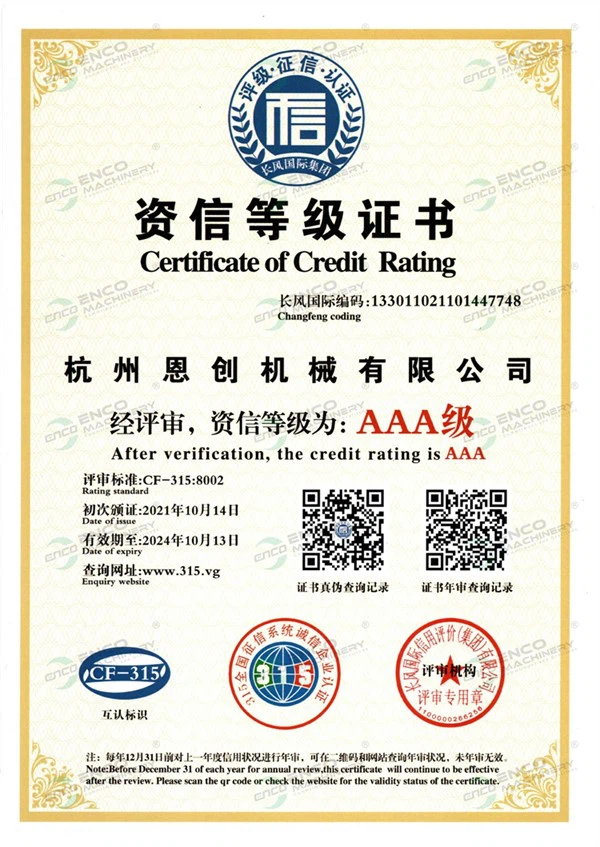
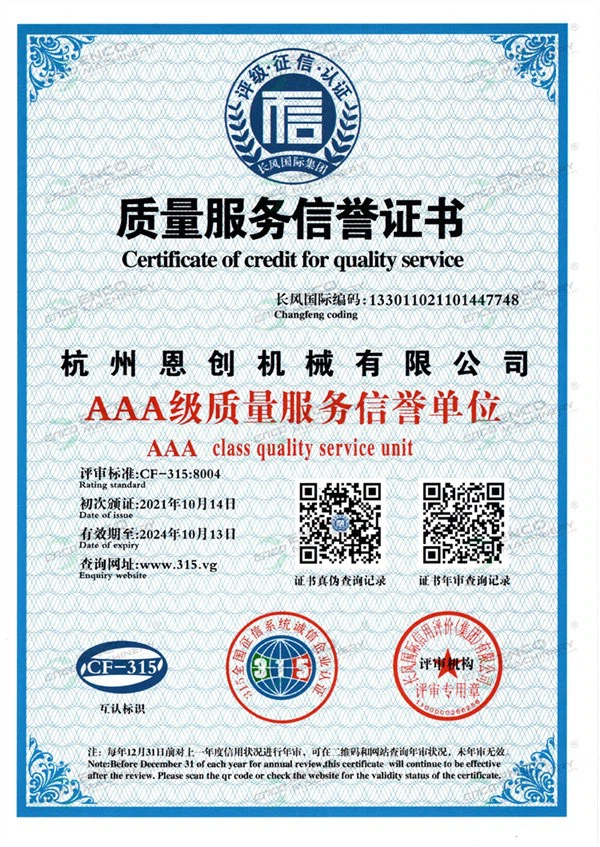
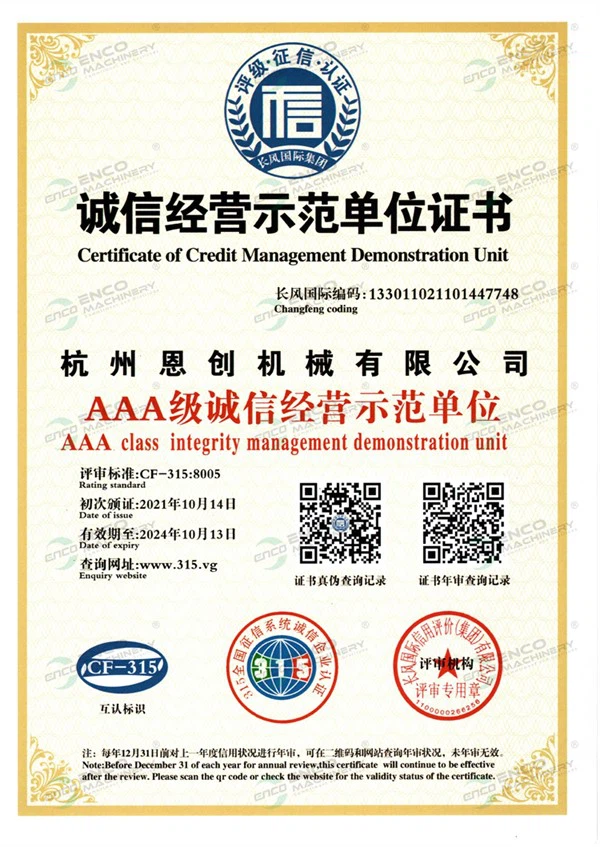
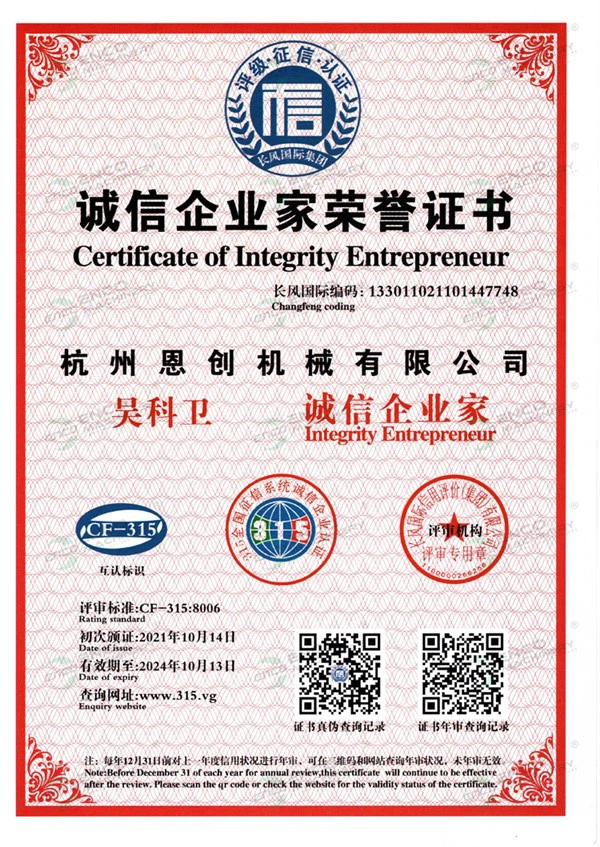
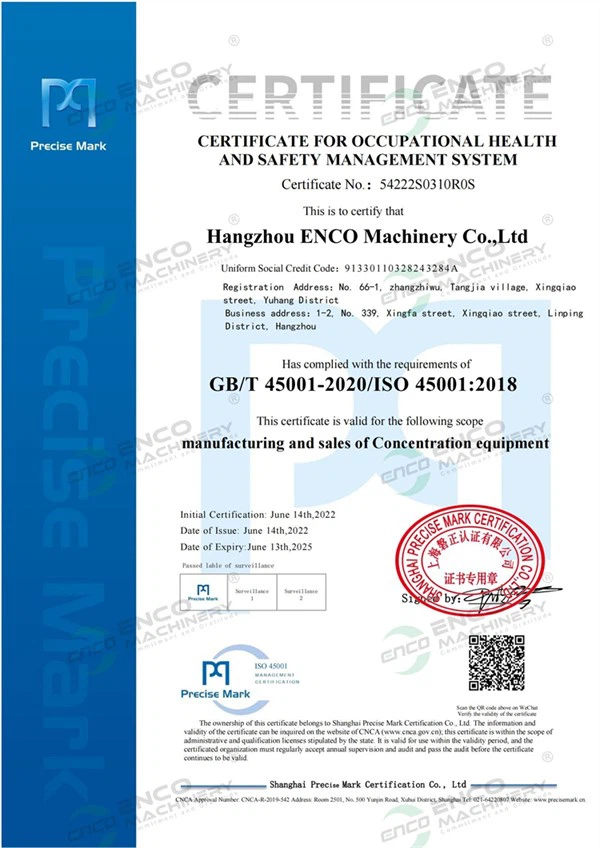
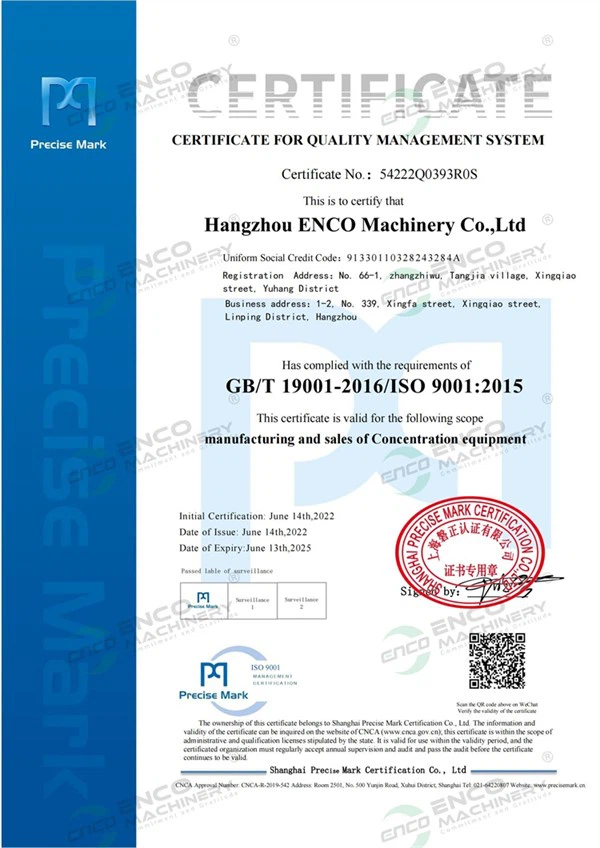
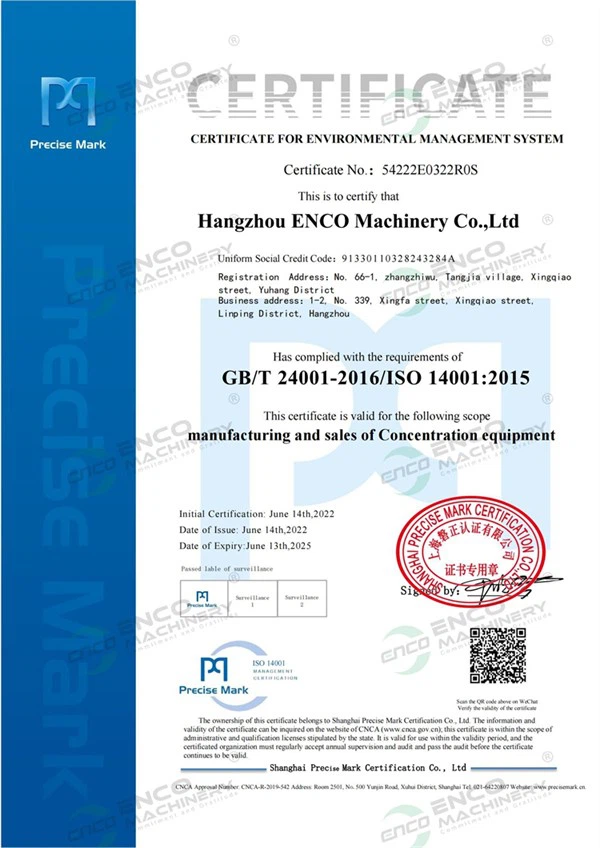
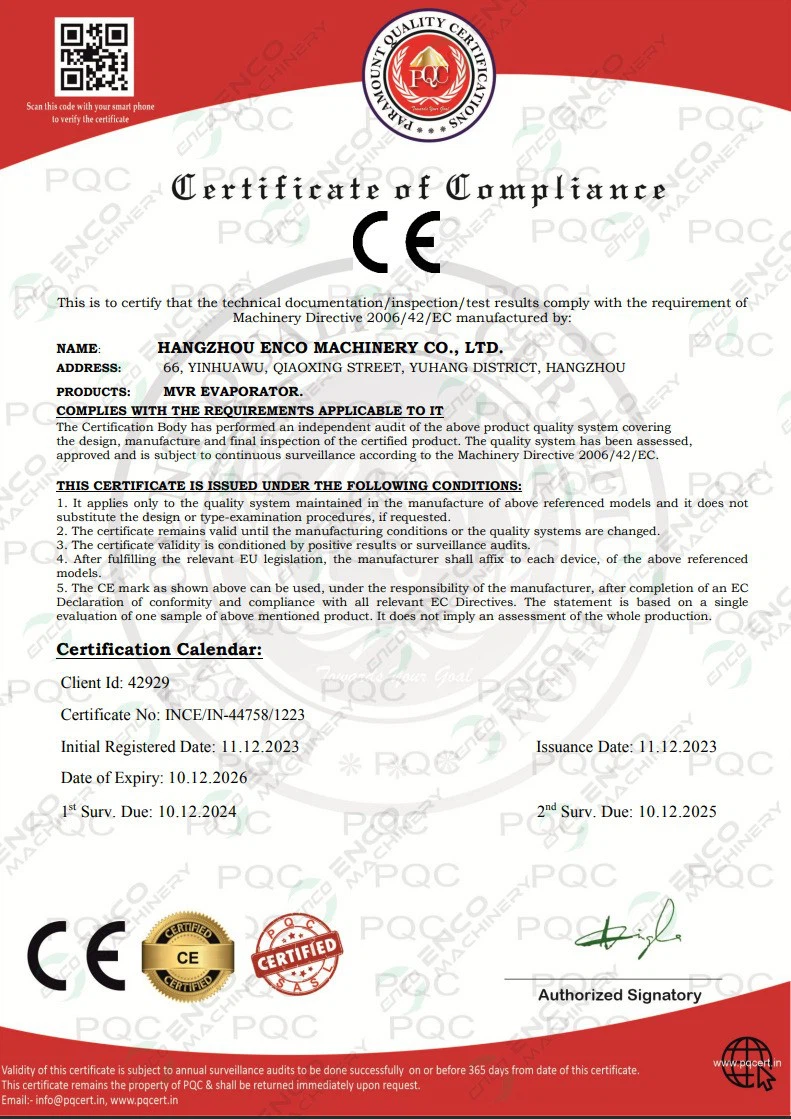
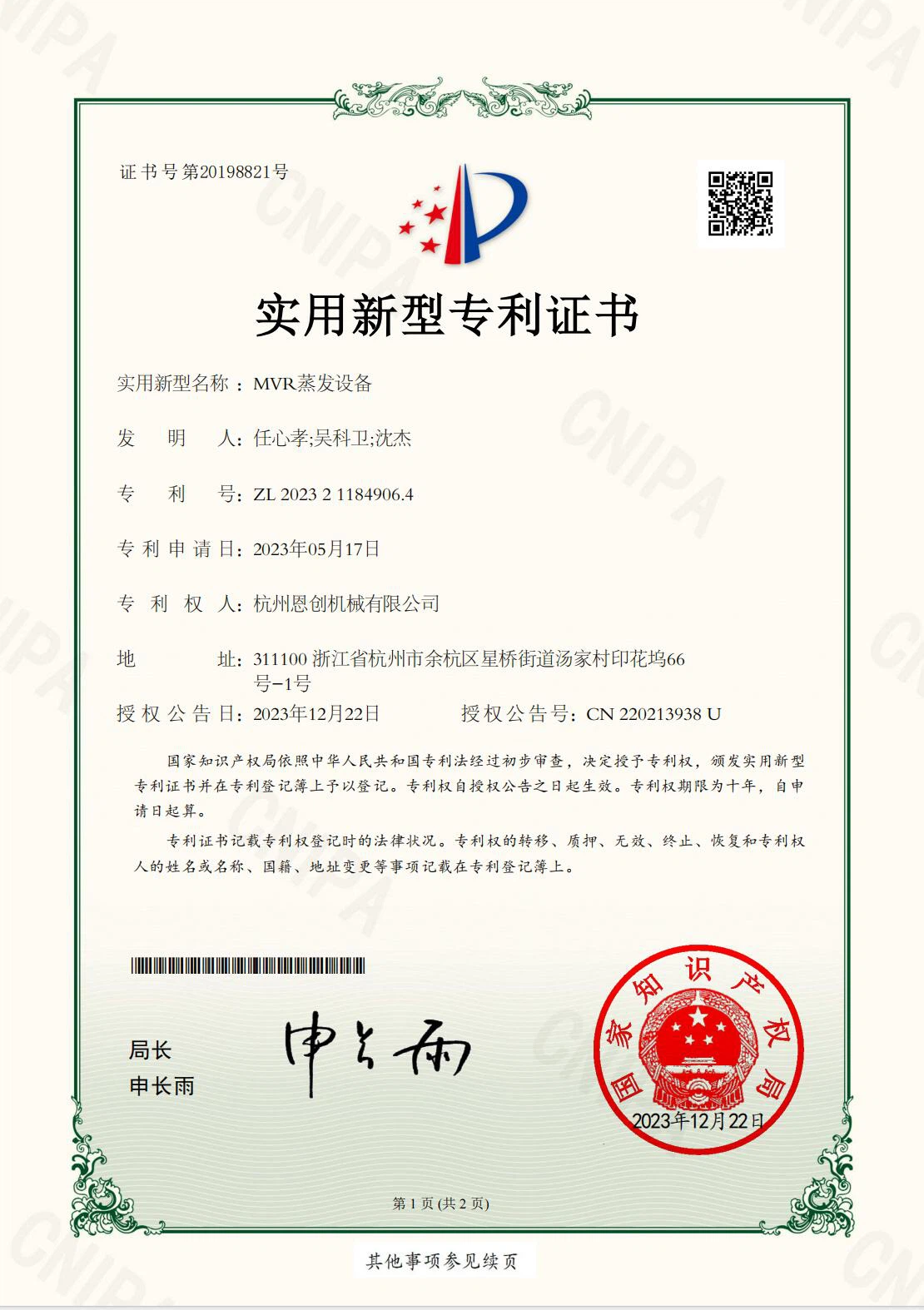
With 20 years of development, ENCO has obtained various industrial certifications, including ISO 14001, ISO 9001, ISO 45001, CE, and other IPs.
Sales Market
To date, ENCO has successfully completed over 500 industrial projects worldwide, spanning countries such as the USA, Australia, South Korea, Malaysia, Turkey, Jordan, Singapore, Kuwait, Mexico, and others.


What is Triple Effect Evaporator?
A Triple Effect Evaporator is an advanced type of industrial evaporator system designed to increase energy efficiency and enhance the separation process of various mixtures. It belongs to the category of multiple effect evaporators, which use the waste heat from the primary evaporation stage to drive subsequent stages of evaporation, thereby increasing the overall thermal efficiency of the process.
Advantages of Triple Effect Evaporator
Enhanced Efficiency: A Triple Effect Evaporator uses the residual heat from two previous stages of evaporation to drive a third stage, thus maximizing the use of thermal energy and increasing overall energy efficiency.
Multistage Separation: This type of evaporator is commonly used in processes where it's necessary to achieve very high levels of concentration or separation, such as in the food industry, pharmaceuticals, and chemical processing.
Energy Savings: By cascading the waste heat from one evaporation stage to the next, a Triple Effect Evaporator reduces the need for additional heating sources, leading to significant energy savings compared to single-effect or double-effect evaporators.
Reduced Operational Costs: The increased energy efficiency translates into lower fuel consumption and reduced operational costs, especially for industries where evaporation is a major part of the production process.
Environmental Benefits: The use of Triple Effect Evaporators can contribute to a reduction in greenhouse gas emissions by optimizing energy usage and minimizing the burning of fossil fuels.
Flexibility: These evaporators are designed to handle a wide range of feedstocks and can adapt to changes in process requirements, making them suitable for applications with varying operating conditions.
Increased Product Quality: The precise control and multistage separation achievable with a Triple Effect Evaporator can improve the quality of the end product, particularly in terms of purity and consistency.
Economical: While the initial investment for a Triple Effect Evaporator might be higher than for single- or double-effect evaporators, the long-term energy savings make it a cost-effective solution for large-scale industrial applications.
Modular Design: Many Triple Effect Evaporators are designed with a modular structure, allowing for easy expansion or modification of the system as per changing process demands.
Maintenance Considerations: Due to their complexity, Triple Effect Evaporators typically require skilled personnel for installation, operation, and maintenance. Regular inspections and proper maintenance practices are essential to ensure optimal performance and longevity of the equipment.
Multiple stage evaporation: A triple effect evaporator is designed with three separate evaporating stages, each operating at different pressures. This allows for more efficient and thorough evaporation of the liquid being processed.
Heat integration: Triple effect evaporators utilize heat integration techniques to maximize energy efficiency. The heat from the high-pressure vapor produced in one stage is typically transferred to a lower-pressure stage, thereby decreasing the energy requirements for evaporation.
Reduced steam consumption: Compared to single or double effect evaporators, triple effect evaporators require less steam for the evaporation process. This leads to significant energy savings and lower operational costs.
Increased evaporation capacity: The multiple stages in a triple effect evaporator allow for greater evaporation capacity. By utilizing heat integration and maximizing heat transfer, larger quantities of liquid can be processed in a shorter period.
Improved product quality: Triple effect evaporators are known for their ability to produce high-quality concentrated solutions. The multiple stages ensure thorough evaporation and minimize the risk of product degradation, resulting in superior final product quality.
Compact design: Despite having multiple stages, triple effect evaporators can be designed to have a compact footprint. This makes them suitable for industries with limited space availability.
Customizable configurations: Triple effect evaporators can be customized to meet specific process requirements. The number of stages, heat transfer area, and operational parameters can be adjusted to optimize performance and achieve desired product characteristics.
Automatic operation: Many triple effect evaporators come equipped with advanced controls and automation systems. These allow for precise control over process parameters, ensuring consistent and reliable operation.
Reduced environmental impact: With lower energy consumption and steam requirements, triple effect evaporators contribute to reduced greenhouse gas emissions and environmental impact. They are considered environmentally friendly alternatives to traditional evaporation methods.
Wide range of applications: Triple effect evaporators find applications in various industries such as food and beverage, pharmaceuticals, chemicals, and wastewater treatment. They are suitable for concentrating liquids, recovering valuable solvents, and producing high-quality products.
Basic principle Triple Effect Evaporator


1. Principle of Multiple Effects: A Triple Effect Evaporator is based on the concept of using the steam generated in one vessel (the first effect) to produce steam in another vessel (the second effect), and then again in a third vessel (the third effect). Each subsequent effect operates at a lower boiling point than the previous one due to the decrease in pressure.
2. Latent Heat Recovery: In each effect, the liquid-to-vapor phase change occurs at a constant temperature. The heat released during this phase change (latent heat) is captured and used to evaporate the next batch of liquid in the series, without the need for additional external heating.
3. Energy Optimization: The Triple Effect design maximizes the use of available energy by cascading the residual heat from one effect to the next. This results in a significant improvement in overall energy efficiency compared to single- or double-effect evaporators.
4. Pressure Reduction: As the liquid moves from one effect to the next, the pressure is progressively reduced, allowing the same heat to be used to evaporate the liquid at a lower boiling point. The pressure difference between the effects is maintained by the use of steam ejectors or other suitable devices.
5. Liquid Fractionation: The Triple Effect Evaporator is capable of fractionating a liquid mixture into its component parts based on their boiling points. This is achieved by selectively evaporating components in each effect, resulting in a separation of the mixture into concentrated and non-concentrated fractions.
6. Energy Balance: Proper design and operation of a Triple Effect Evaporator involve careful consideration of the energy balance between the effects. This ensures that the available heat is efficiently utilized and that any additional heat input required is minimized.
7. Economics and Scale: The economic benefits of using a Triple Effect Evaporator are most pronounced in large-scale industrial applications where the energy savings can outweigh the additional capital and maintenance costs associated with the more complex equipment.
8. Heat Transfer Media: In a Triple Effect Evaporator, the heat transfer usually occurs through a tube or plate heat exchanger. The feedstock to be concentrated is typically on the shell side of the heat exchanger, while the heating medium (usually a vapor) is on the tube side, facilitating efficient heat transfer.
9. Condensate and Vapor Recovery: The condensate and vapor produced in each effect can be recovered and reused in subsequent effects or for other purposes, further enhancing the overall efficiency of the evaporation process.
10. Control Systems: Modern Triple Effect Evaporators are often equipped with sophisticated control systems that monitor and adjust the process parameters, ensuring safe and efficient operation.
Costbenefit analysis of Triple Effect Evaporator
Higher initial investment: Triple effect evaporators generally require higher capital investment compared to single and double effect evaporators due to their complex design and additional equipment required for multiple effects. This initial cost should be considered while analyzing the cost-benefit ratio.
Energy efficiency: One of the main advantages of triple effect evaporators is their higher energy efficiency compared to single or double effect evaporators. Triple effect evaporators can utilize the heat generated in each effect effectively, resulting in higher product output per unit of energy consumed. This can lead to significant energy savings in the long run, thereby reducing operational costs.
Reduced operating costs: Due to their energy efficiency, triple effect evaporators can minimize fuel or energy consumption, thus reducing operational costs associated with heat transfer media. This can result in substantial cost savings over time, making triple effect evaporators a cost-effective solution in certain applications.
Enhanced productivity: Triple effect evaporators have the ability to evaporate a higher volume of product compared to single or double effect evaporators, thanks to their cascading effect. This increased productivity can allow for higher production rates, potentially leading to increased revenue and profitability for the industry or company utilizing the evaporator.
Heat recovery: Triple effect evaporators are designed to recover heat from one effect to the next, maximizing the utilization of energy. The heat recovered from the condensing vapor is used to preheat the feed solution in the subsequent effect, resulting in decreased energy demand. This heat recovery can further contribute to the overall energy efficiency of the evaporator.
Environmental considerations: A cost-benefit analysis should also consider the environmental benefits offered by triple effect evaporators. With reduced energy consumption, there is a decrease in greenhouse gas emissions associated with power generation for the evaporator's operation. This aligns with environmental goals and regulations, making the triple effect evaporator a more sustainable and environmentally friendly option.
Maintenance and operating simplicity: Triple effect evaporators require regular maintenance and monitoring to ensure optimal performance. However, their operational simplicity can make them easier to operate and maintain compared to other evaporators with more complex mechanisms. This can result in lower labor costs and reduced downtime, contributing to the overall cost-effectiveness of the triple effect evaporator.
Scale of operation: The cost-benefit analysis should consider the scale of operation. Triple effect evaporators are more suitable for large-scale operations that benefit from the economies of scale. Industries or processes with higher product volume requirements can take advantage of the higher productivity and energy efficiency offered by triple effect evaporators, justifying the higher initial investment.
Payback period: The cost-benefit analysis should evaluate the payback period for the triple effect evaporator. Assessing the time it takes for the cost savings obtained from energy efficiency and higher productivity to offset the initial investment is crucial. A shorter payback period indicates a more favorable cost-benefit ratio and increased financial viability of the triple effect evaporator.
Daily Inspection Checklist for Triple Effect Evaporator
Visual Inspection:
Check for any leaks or fluid discharges around the evaporator.
Verify that all connections and tubing are securely fastened and free of corrosion.
Ensure that insulation is intact and not damaged.
Instrumentation and Controls:
Confirm that all instruments, such as pressure gauges and temperature sensors, are reading correctly.
Verify that the control panel is functioning properly and all alarms are operational.
Heat Exchangers:
Inspect the heat exchanger surfaces for fouling or scaling, which can impede heat transfer.
Check that the cleaning and maintenance schedule is up to date.
Piping and Valves:
Ensure that all valves are operating correctly and are in the correct position.
Inspect pipes for any blockages or obstructions.
Safety Equipment:
Verify that safety devices like pressure relief valves are functional and set correctly.
Confirm that emergency shutdown procedures are in place and ready to be activated if needed.
Motor and Drive Systems:
Inspect the motors and drives for any abnormal sounds or vibrations.
Check that the belts and gears are in good condition and properly lubricated.
Cleanliness:
Ensure that the surrounding area of the evaporator is clean and free of debris.
Operational Logs:
Review the operational logs to check for any anomalies or unusual trends.
Energy Efficiency Checks:
Monitor the energy consumption of the evaporator to ensure it is within expected parameters.
Documentation:
Verify that all maintenance and inspection records are up to date.
Training:
Confirm that all operators have undergone proper training and are familiar with the evaporator's operation and safety protocols.
Preventive Maintenance:
Ensure that the preventive maintenance schedule is being followed to avoid unexpected failures.

Regular Cleaning: Ensure that the evaporator is cleaned regularly to prevent the buildup of scale, dirt, and other impurities. Use appropriate cleaning agents and follow the manufacturer's instructions for cleaning.
Check for Leaks: Regularly inspect the evaporator for any leaks in the tubes, valves, or other components. Any leaks should be promptly repaired to avoid loss of efficiency and potential damage to the equipment.
Lubrication: Check and lubricate all moving parts of the evaporator as recommended by the manufacturer. This will ensure smooth operation and prevent excessive wear and tear of the equipment.
Monitor Pressure and Temperature: Regularly monitor the pressure and temperature levels inside the evaporator to ensure they are within the recommended range. Any abnormal readings should be investigated and addressed.
Inspect Seals and Gaskets: Check the seals and gaskets of the evaporator for any signs of wear or damage. Replace them if necessary to maintain the proper functioning of the unit and prevent any leaks.
Clean Condenser Tubes: Clean the condenser tubes regularly to remove any accumulated dirt or debris. This will help maintain optimal heat transfer efficiency and prevent any blockage in the system.
Calibrate Controls: Periodically calibrate the controls of the evaporator to ensure accurate and reliable operation. This will help maintain optimum performance and prevent any process deviations.
Inspect Electrical Components: Regularly inspect the electrical components of the evaporator, such as motors, switches, and wiring, for any signs of damage or malfunction. Repair or replace any faulty components to prevent equipment failure.
Maintain Water Quality: Ensure that the water used in the evaporator is of sufficient quality to prevent scaling and fouling. Use appropriate water treatment methods and monitor water chemistry regularly.
Train Personnel: Provide proper training to the personnel responsible for operating and maintaining the evaporator. This will ensure that they understand the equipment and its maintenance requirements, improving its overall performance and longevity.
Certifications

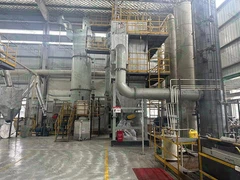
Our Factory
We focus on the design and manufacture of multi-phases evaporators, MVR evaporators, industrial continuous crystallizers, extraction and concentration equipment, fermentation, steam compressors, dryers, filter press, reaction equipment and membrane filtration equipment. With more than 20years experiences, we obtained many patents in this industry.

FAQ
We're well-known as one of the leading triple effect evaporator manufacturers and suppliers in China. Please rest assured to buy custom made triple effect evaporator from our factory. Contact us for more details.
Three Effect Evaporator, Multiple Effect Evaporator, 3 Effect Evaporator