


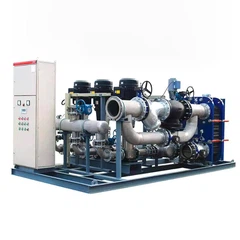
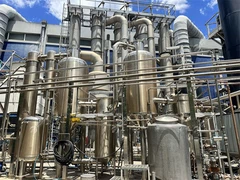
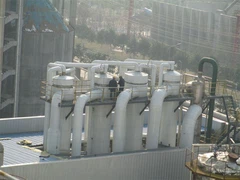
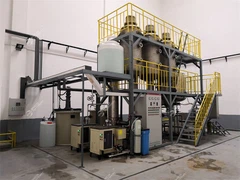






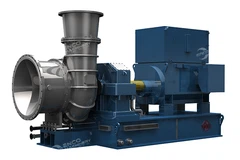
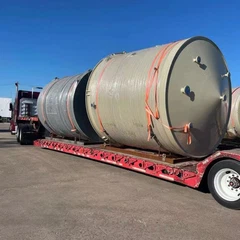
Lead-acid battery recycling solution uses evaporation crystallization technology to desulfurize the lead paste in the wastewater of waste lead-acid batteries and recover the by-products to achieve the purpose of recycling.
Lead-acid battery recycling solution details
● The significance of desulfurization liquid in the lead-acid battery resource recovery system:
A large amount of acidic heavy metal industrial wastewater is generated during the production process of lead-acid batteries. If it is discharged arbitrarily without treatment, it will inevitably cause great harm to the environment and society. Lead and cadmium in wastewater are heavy metal elements and a type of pollutant. If they are not recycled and treated, not only will a large area of land be required for stacking or landfilling, but lead is a toxic substance and sulfuric acid is highly corrosive. They will cause serious harm to the environment and soil, and at the same time, cause a large amount of resource waste. Therefore, it is necessary to effectively treat the pollution of waste lead-acid batteries.
● Waste lead-acid battery recycling technolog
A technology that recycles recycled lead from waste lead-acid batteries and realizes the comprehensive utilization of various components. The waste batteries are automatically crushed and sorted, and then the batteries of each component are processed to achieve the purpose of recycling.


Process flow of waste lead-acid battery treatment:
The process flow is the crushing and sorting of waste lead-acid batteries, lead paste desulfurization (desulfurization and by-product recovery technology; oxygen-enriched combustion technology, plastic granulation technology, carbon reduction smelting technology, refining and alloy configuration technology
01
After the lead paste is desulfurized, the PbSO4 in the lead paste is converted into PbCO3, which can reduce the smelting temperature by 300℃, realize the low-temperature smelting of the lead paste, reduce energy consumption, and reduce the generation of lead dust;
02
The lead paste smelting process does not produce or produces a small amount of SO2 pollutants discharged into the atmosphere, reducing the burden of tail gas desulfurization of the smelting unit, and is more green and environmentally friendly;
03
It can realize the comprehensive recycling of S elements in the lead paste, prepare high-purity by-products of ammonium sulfate or sodium sulfate, and creat
Waste lead-acid battery resource recycling evaporator process flow
ENCO's ammonium and sodium desulfurization process for lead paste of used lead-acid batteries:
ENCO believes that the waste lead-acid battery recycling system should use the ammonium or sodium method to desulfurize lead paste according to the specific waste lead-acid battery wastewater quality, water volume and wastewater source, and try to separate and recover valuable resources from the wastewater while treating the wastewater.


Desulfurization conversion system for lead paste of waste lead-acid batteries:
In the waste lead-acid battery resource recovery system, lead paste pre-desulfurization refers to the conversion of lead sulfate into lead carbonate by chemical means. Desulfurizers can be soluble carbonates (sodium carbonate, ammonium carbonate, NH bicarbonate, etc.) and alkaline solutions (sodium hydroxide, NH water, etc.). Considering the economy and operability, sodium carbonate and ammonium bicarbonate are more suitable. Compared with traditional processes, the desulfurization process can reduce the consumption of iron filings and solvents, and can reduce the temperature to save energy.
Desulfurization byproduct recovery system for lead paste of waste lead-acid batteries:
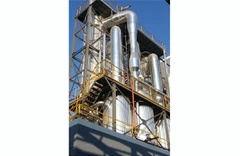
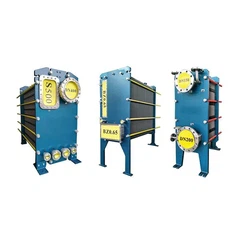
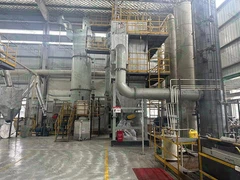
The desulfurization liquid and the collected waste acid electrolyte are pumped into the byproduct recovery system, and the sodium sulfate product is generated after neutralization, evaporation and crystallization technology treatment.
Process flow of the desulfurization byproduct recovery system for lead paste of waste lead-acid batteries:
All the dilute sulfuric acid of the waste electrolyte is collected and transferred to the sulfate byproduct generation system to be converted into sodium sulfate products; the liquid diverted from the crushing and sorting equipment and the waste acid collected from other locations are composed of acidic liquid and electrolyte. They are collected in the waste liquid tank and pumped into the filter together with the desulfurization mother liquor to remove the solid components, and then enter the byproduct recovery system. After neutralization, evaporation and crystallization technology treatment, high-quality sodium sulfate products are generated. This product can be used as an additive for detergents, papermaking and glass products.
Technical advantages of ammonium sodium desulfurization of lead paste of waste lead-acid batteries:
The company conducted a competitive advantage analysis to identify its strengths and weaknesses compared to its rivals.
The sulfur content of the material is stable and the reaction efficiency is high; the material only has a sulfur content of 0.6%.
01
Expansion suppression system: production capacity increased by 4 times; purification system: heavy metal impurity content is less than 5 ppm;
02
Each recycled lead can save 1.36 tons of standard coal, reduce solid waste by 98.7 tons, and reduce sulfur dioxide by 0.66 tons;
03
Secondary utilization of desulfurization mother liquor greatly reduces energy consumption;
04
High resource recovery rate, low equipment requirements, and good market for by-products.
05
