


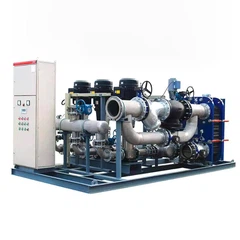







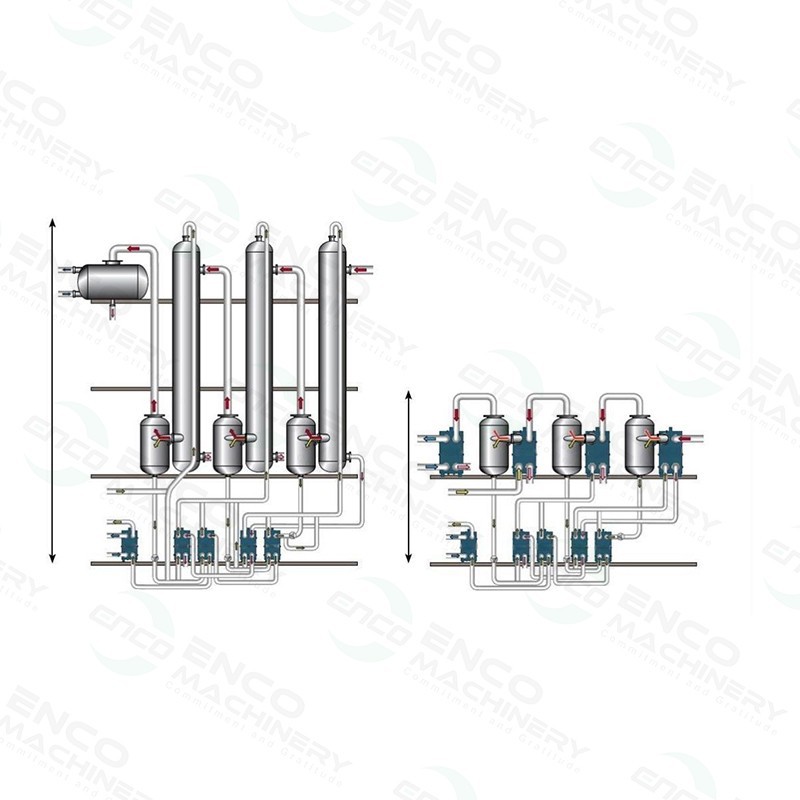

Plate and frame heat exchangers are vital in many industries. They efficiently transfer heat between two fluids. This makes them essential for various applications.
These exchangers consist of multiple thin plates. The plates create channels for fluid flow, maximizing heat transfer. Their design offers a large surface area,enhancing efficiency.
Compact and versatile, they fit well in space-limited environments. They are easy to disassemble, making maintenance straightforward. This ensures long-term,optimal performance.
Regular maintenance is crucial to prevent fouling. It includes cleaning,inspecting for leaks, and replacing gaskets. Proper care extends the life of the exchanger.
Understanding their functionality and benefits is key. This guide will explore their design, applications, and maintenance. Discover how they can improve your system's efficiency.

What ls a Plate and Frame Heat Exchanger?
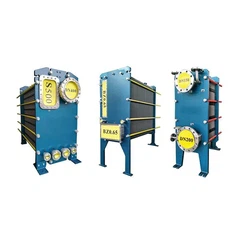
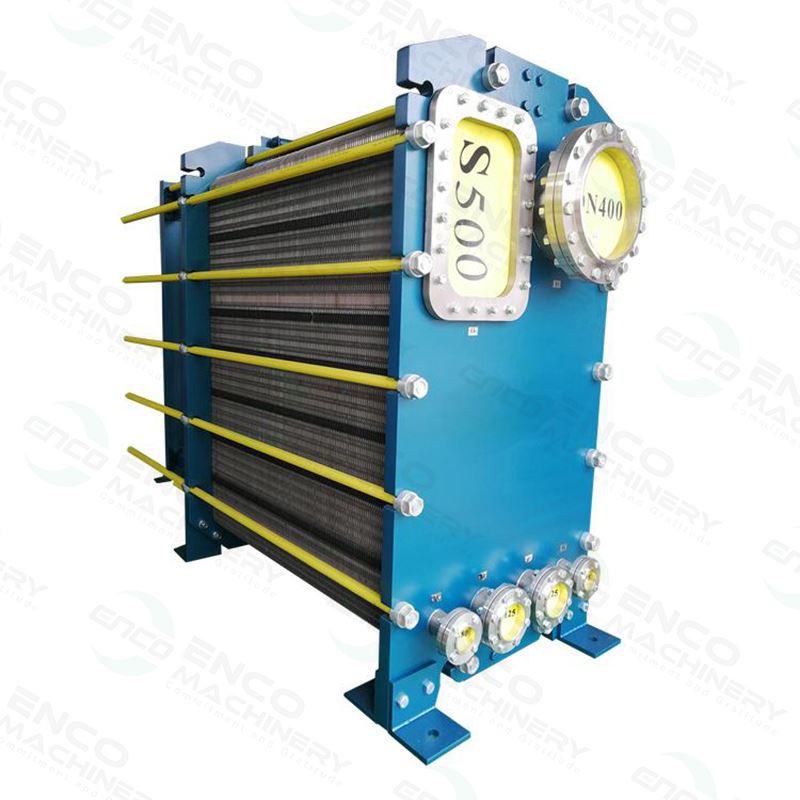
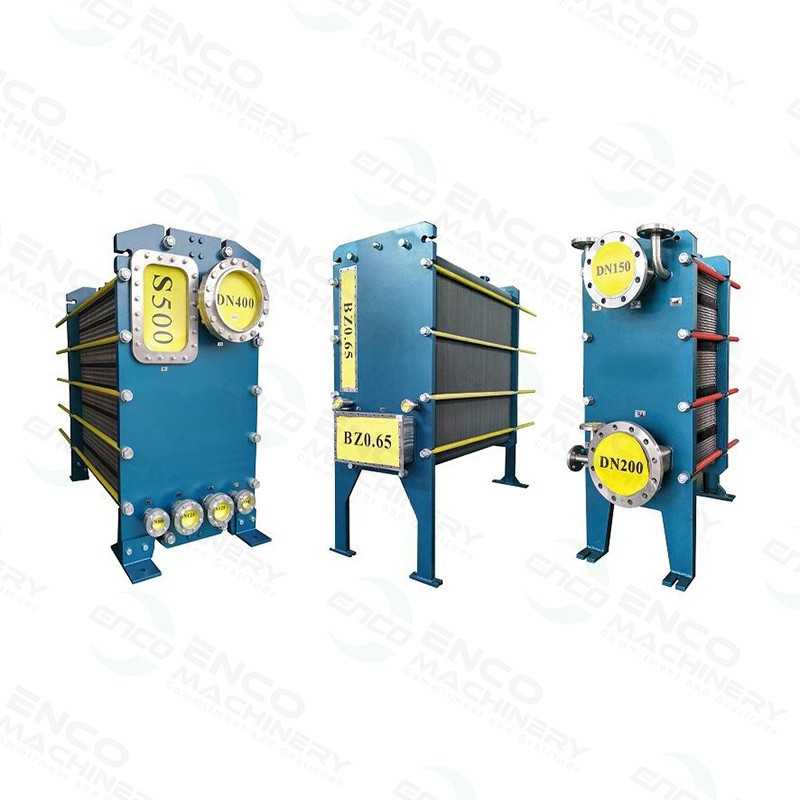
A plate and frame heat exchanger is a type of heat exchanger composed of thin, slightly separated plates. These plates are assembled in a frame, creating multiple channels for fluid flow between alternating plates. This design significantly enhances heat transfer efficiency due to the large surface area available.
The plates are usually corrugated to increase turbulence. This further improves the exchanger's ability to transfer heat. The turbulence ensures that heat is effectively transferred between the fluids as they flow across the plates.
Key features of plate and frame heat exchangers include:
- Compact and modular design
- High thermal efficiency
- Easy maintenance and cleaning
- Large surface area for heat transfer
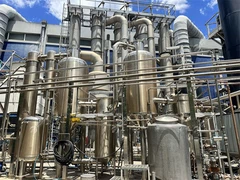
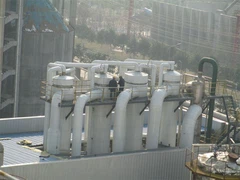
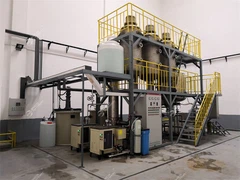
These exchangers are widely used in various sectors. Applications span HVAC systems, chemical processing, and food and beverage industries.The ability to efficiently transfer heat makes them invaluable in processes requiring precise temperature control.
Their modularity allows for customization to meet specific process needs. By simply adding or removing plates, the exchanger can adjust to different capacities; and requirements. This flexibility is one of the reasons for their popularity across different industries.
How Plate and Frame Heat Exchangers Work
Plate and frame heat exchangers operate by facilitating heat exchange between two fluids, These fluids flow through alternating channels formed by thin plates. The design promotes effective heat transfer while maintaining separation between the fluids.
As fluids pass over the plates, heat is transferred from the warmer fluid to the cooler one. The corrugated plate surfaces enhance turbulence,improving the heat exchange efficiency. This turbulent flow minimizes the thermal resistance, allowing for faster heat transfer.
The fluids can flow in various arrangements, including:
- Counterflow(most efficient)
- Parallel flow
- Crossflow
In counteriow arrangements,the fluids flow in opposite directions. This setup maximizes the temperature gradient boosting overall performance. Parallel flow involves fluids moving in the same direction, while crossflow has fluids perpendicular to each other.
The ability to handle different flow patterns makes these exchangers versatile. They can meet a wide range of process requirements, making them a preferred choice in many industries.

Key Benefits of Plate and Frame Heat Exchangers
Plate and frame heat exchangers ofer several notable benefits over other designs. Their compact size is one of the standout advantages, saving valuable space in installations. This makes them an excellent choice for cramped or limited spaces.
Their design allows for easy disassembly. This feature simplifies maintenance tasks such as cleaning, inspection, and repair. Users can easily access the plates and gaskets without dismantling the entire unit.
These heat exchangers also boast high thermal efficiency, The large surface area provided oy multiple plates enhances heat transfer rates significantly. As a result, they contribute to reduced energy consumption.Furthermore, they offer flexibility across various applications, Their modular nature allows easy scalability and customization for specific requirements.The benefits include:
- High thermal efficiency
- Compact design
- Easy maintenance
- Scalability and customization
Overall, plate and frame heat exchangers provide an optimal combination of efficiency,flexibility, and ease of maintenance. This makes them a preferred solution in many industries.
Common Applications Across Industries
Plate and frame heat exchangers find widespread use across numerous industries. Their versatility allows them to transfer heat efficiently in various settings. This adaptability makes them suitable for diverse applications.
In the HVAC industry, these exchangers play a vital role in cooling and heating systems. Their compact and efficient design enhances system performance. This leads to improved energy consumption and reduced operational costs.
Chemical processing plants also benefit from their use. They suppor precise temperature control during reactions and processes. Other industries relying on these exchangers include:
- Food and beverage manufacturing
- Dairy processing
- Renewable energy systems
Each industry values the exchangers' ability to handle strict hygiene standards and demanding conditions. Their efficiency, flexibility, and reliability make them an indispensable component in many sectors.

Plate Heat Exchanger Design and Materials
The design of plate heat exchangers is crucial for optimal performance. They feature thin, corrugated plates arranged in a frame. This setup facilitates efficient heat transfer between fluids.
Materials used in construction depend on application needs. Stainless steel is commonly preferred for its corrosion resistance and durability.
Other materials, like titanium or nickel alloys, may be used for specific conditions.
Selecting the right materials is essential for longevity and efficiency, Consider the following factors when choosing materials.
Fluid type and temperature
Corrosive properties
Pressure requirements
Each factor influences the overall design and material choice. Proper material selection ensures reliable and efficient heat exchanger operation in diverse environments, This makes them a flexible solution for many industrial needs

Heat Exchanger Maintenance: Best Practices
Regular maintenance of plate and frame heat exchangers is vital. it prevents fouling and ensures peak performance. Neglecting maintenance can lead to decreased efficiency and costly repairs.
Cleaning is a top priority in maintenance routines. Both chemical and mechanical methods are effective for removing deposits and buildup. It's essential to follow recommended procedures for each approach
Inspecting for leaks is another crucial task.Check gaskets and seals for wear or damage regularly, Proper maintenance of these components prevents leakage and ensures fluid separation,
Additionally,replacing gaskets when necessary extends the unit's lifespan. Keep records of maintenance activities for tracking and planning future needs. Here's a checklist to guide your maintenance routine:
- Conduct regular cleaning
- Inspect for leaks and damage
- Replace worn gaskets
- Keep detailed maintenance records
Following these best practices contributes to the long-term reliability and efficiency of your heat exchangers. Prioritize consistent upkeep to avoid unexpected failures and maximize your system's productivity.
Choosing the Right Plate and Frame Heat Exchanger
Selecting the right plate and frame heat exchanger is crucial for optimal operation. Various factors influence this decision, ensuring it aligns with specific process requirements.
Consider the fluids involved and their properties, Material compatibility is essential to prevent corrosion, Stainless steel is a common choice for its durability.
Evaluate the application's temperature and pressure conditions. The unit must handle both effectively to ensure safe and efficient performance. Also, consider space constraints when making your choice.
Here's a quick guide:
- Determine fluid compatibility
- Assess temperature and pressure needs
- Consider available space
Taking the time to evaluate these factors will lead to a more efficient and cost-effective heat exchange solution that meets your process needs.
Making informed decisions in the selection process can significantly enhance overall system efficiency.

Conclusion
Plate and frame heat exchangers offer exceptional efficiency and versatility. They excel in transferring heat across a wide range of industrial applications.
Their compact design and modularity make them adaptable and easy to maintain. This ensures long-term performance and reliability.
Selecting the right unit and following maintenance best practices are crucial These steps help optimize energy use and reduce operational costs.
By doing so, you can maximize the benefits of this indispensable technology. In essence, these heat exchangers are key to enhancing system efficiency in varied industrial processes.