


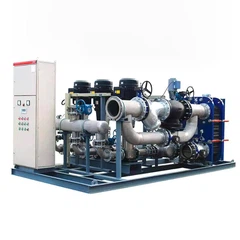
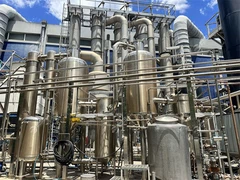
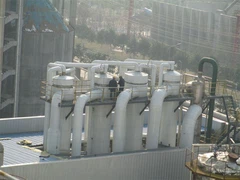
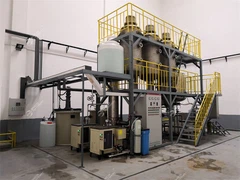








Industrial Heat Pumps
Industrial heat pumps are transforming the way industries manage energy. They offer a sustainable solution for heating and cooling needs.These systems are not just about efficiency, They also help reduce greenhouse gas emissions significantly.By using electricity, industrial heat pumps can integrate with renewable energy sources. This makes them a key player in sustainable energy strategies.
Industries like food processing and chemical manufacturing are already reaping the benefits. They find these systems versatile and cost-effective.
As industries aim for sustainability, industrial heat pumps are becoming essential They promise energy savings and a reduced carbon footprint.
What Are Industrial Heat Pumps?
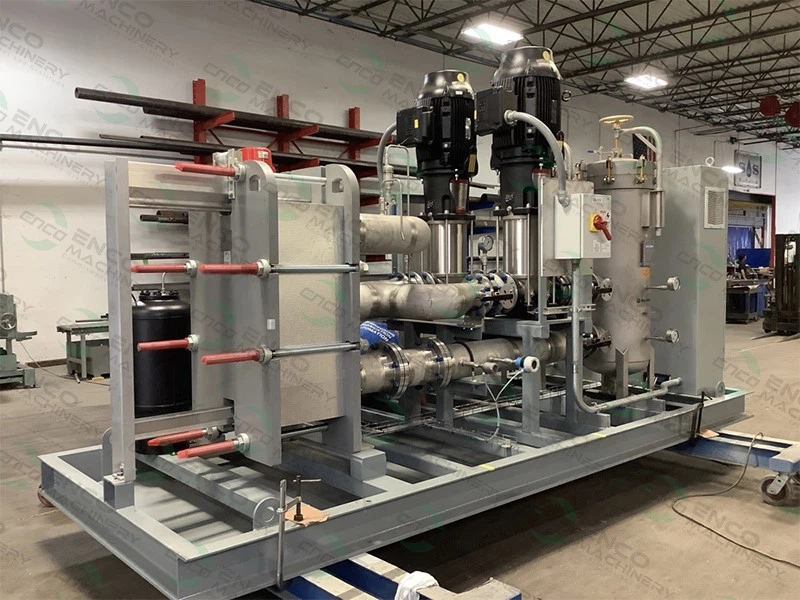
industrial heat pumps are devices designed to transfer heat from low-temperature sources to high-temperature sinks. This process helps industries efficiently utilize energy.
These systems use the refrigeration cycle to move heat. They employ refrigerants to extract heat from one locati0n and release it in another Industrial heat pumps are versatile. They can provide both heating and cooling, adapting to different industrial processes.
Key Features of Industrial Heat Pumps:
- Transfer heat efficiently between locations
- Utilize the refrigeration cycle
- Support both heating and cooling operations
- Work with electricity, enabling renewable integration
The applications of industrial heat pumps are extensive, They fit into sectors like food processing, chemical production, and paper manufacturing.
Their ability to recover and reuse waste heat further boosts their efficiency. This feature makes them a popular choice for industries aiming to lower their energy consumption and environmental footprint.
Overall, industrial heat pumps are a critical component in achieving energy-efficient industrial operations. They offer sustainability and cost-effectiveness in various industrial settings.
How Industrial Heat Pump Systems Work
Industrial heat pump systems operate on a simple vet effective principle. They transfer heat from cooler areas to warmer ones using a cycle involving refrigerants. The key components include an evaporator, compressor, condenser, and expansion valve.
The process begins with the evaporator, where refrigerant absorbs heat from a source. This causes the refrigerant to evaporate into a gas. Next, the compressor increases the gas's pressure and temperature.
Process Steps in Industrial Heat Pumps:
- Heat absorption at the evaporator
- Compression of refrigerant gas
- Heat release at the condenser
- Expansion and cooling of refrigerant
At the condenser,the high-pressure gas releases its heat to the sink, turning back into a liquid. finally, the expansion valve reduces the refrigerant's pressure, cooling it for the next cycle
This cycle is efficient and reliable, making it suitable for industrial applications. It's particularly advantageous when consistent heating and cooling are needed. By harnessing this technology, industries can boost efficiency and support environmental sustainability.

Key Benefits of Industrial Heat Pumps
Industrial heat pumps offer numerous advantages over traditional heating methods. They efficiently transfer heat, significantly reducing energy consumption. This results in lower operational costs for industries of all sizes.These systems contribute to sustainability by using less energy and reducing emissions. By moving away from fossil fuels, industries can meet stringent environmental regulations. This shift supports global efforts to combat climate change.
Key Benefits:
- Significant energy cost savings
- Reduced greenhouse gas emissions
- Improved sustainability and compliance
- Versatility in heating and cooling
- Lower maintenance demands
Moreover, industrial heat pumps offer versatility. They can provide both heating and cooling, meeting diverse industrial needs. This adaptability allows for more controlled and efficient industrial processes.
Additionally, these systems require less maintenance compared to conventional heating solutions. This reduces downtime, enhances productivity, and adds to the long-term savings. By investing in industrial heat pumps, companies can achieve both financial and environmental goals.
Common Applications in Industry
Industrial heat pumps are versatile tools, serving a wide range of applications. They are particularly valuable in sectors that demand both heating and cooling, industries can leverage these systems to increase process efficiency.
In the food processing industry, heat pumps help maintain precise temperature control. This improves product quality and minimizes energy waste. Chemical manufacturing also benefits from their ability to recover waste heat and reuse it effectively.
Common Industrial Applications:
- Food processing
- Chemical manufacturing
- Paper production
- Pharmaceuticals
- Textiles
The paper industry utilizes industrial heat pumps for efficient drying processes. This conserves energy and reduces production costs. Similarly,pharmaceuticals rely on these systems to maintain stable environmental conditions, This ensures both safety and high-quality output.
Furthermore,textiles and other similar sectors use heat pumps to streamline complex processes, With diverse applications, industrial heat pumps provide a reliable, energy-saving solution. This adaptability makes them a key component in modern industrial operations, enhancing both productivity and sustainability.

Types of Industrial Heat Pumps
Industrial heat pumps come in several types, each suited to specific industrial needs, choosing the right type depends on the operational requirements and environmental factors of the industry, Here are a few common types:
- Air-source heat pumps: These extract heat from the ambient air.
- Water-source heat pumps:These transfer heat to or from water sources
- Ground-source (geothermal) heat pumps: These utilize heat from the ground.
Air-source heat pumps are often praised for their flexibility. They can efficiently function in diverse climates, offering both heating and cooling capabilities. Their ability to utilize renewable air energy reduces dependence on fossil fuels.
Water-source heat pumps are frequently used in industries with ample access to water resources. These systems are highly efficient in transferring heat for various processes. Ground-source heat pumps, meanwhile, provide a consistent and reliable energy source. They're perfect for operations needing steady temperatures year-round. Each type offers unique advantages, enhancing industrial energy strategies through tailored applications.
Energy Efficiency and Cost Savings
Industrial heat pumps are acclaimed for their exceptional energy efficiency. Their efficiency far surpasses traditional heating systems, such as boilers. This is due to their ability to transfer heat rather than generate it, reducing overall energy consumption.
Cost savings are a significant advantage of using industrial heat pumps.Initial investment costs can be high, but they are often outweighed by long-term energy savings. Additionally, reduced reliance on fossil fuels mitigates energy price volatility and operational cost spikes.
Many industries experience notable reductions in energy bills after installing heat pump systems. These systems can dramatically decrease heating and cooling expenses. The following list highlights key cost-saving aspects:
- Lower long-term operational costs
- Decreased maintenance expenses
- Energy source flexibility, including compatibility with renewables
These benefits contribute to making industrial heat pumps a wise financial and environmental choice.Implementing such systems not only offers immediate savings but also ensures sustainable and economical operations for the future.

Environmental Impact and Sustainability
Industrial heat pumps significantly contribute to reducing environmental footprints, By minimizing the need for fossil fuels they help lower carbon emissions. This aligns industries with global sustainability goals and environmental agreements.
These systems are integral to sustainable industrial operations. They can be effectively paired with renewable energy sources. This enhances their eco-friendly impact by utilizing clean energy, aiding in the transition to a low-carbon economy
Implementing heat pump systems also meets the increasing demand for sustainable practices, Key environmental benefits include:
- Reduced greenhouse gas emissions
- Alignment with international sustainability standards
- Contribution to achieving net-zero energy goals
Through these advantages, industrial heat pumps play a vital role in fostering sustainable industry practices. They offer a powerful solution for enterprises aiming to minimize their ecological impact and adopt greener technologies.
Integration and Retrofitting in Existing Systems
Integrating industrial heat pumps into existing systems is straightforward and impactful. They can be retrofitted with minimal disruption,improving energy efficiency in current setups. This adaptability makes them a practical choice for facilities looking to upgrade without extensive renovations.
The process of retrofitting involves specific steps, each tailored to fit existing systems:
- Assess current energy needs
- Determine compatibility with existing infrastructure
- Plan integration with minimal operational downtime
By following these steps, industries can seamlessly incorporate heat pumps into their operations. This ensures improved energy management and boosts overall system efficiency with limited interruption to daily activities.
Choosing the Right Industrial Heat Pump System
Selecting the appropriate industrial heat pump system is crucial for optimal performance. Factors like energy demands, operational environment and budget constraints will guide the decision. Understanding specific industrial needs ensures the chosen system delivers maximum benefits.When considering heat pump options, keep these factors in mind:
- Capacity to meet heating and cooling needs
- Compatibility with renewable energy sources
- Long-term operating and maintenance costs
By evaluating these aspects,industries can choose a system that aligns with their goal. The right heat pump selection can significantly enhance energy efficiency and sustainability, providing substantial cost savings over time.
Future Trends and innovations
The landscape of industrial heat pumps is experiencing rapid advancement, Emerging technologies are enhancing their efficiency adaptability These innovations cater to diverse industrial needs,pushing the boundaries of what heat pumps can achieve.
Key trends and innovations include:
- Integration with smart technology for enhanced control
- Use of environmentally friendly refrigerants
- Expansion of capabilities in extreme environments
These developments are ushering in more efficient systems. As industries increasingly aim for sustainability, heat pumps continue to be an attractive option. The focus remains on creating systems that are not only efficient but also environmentally conscious.
Conclusion: The Role of Industrial Heat Pumps in a Sustainable Future
Industrial heat pumps are crucial for achieving sustainability in industries. They provide efficient energy solutions, reducing both costs and environmental impact. By leveraging these systems, industries can move towards more sustainable practices
As the world pivots to green energy,these pumps support essential transitions. Their versatility and efficiency make them indispensable.Adopting industrial heat pumps is a strategic step toward a sustainable and eco-friendly future.