









Is Lithium Refining the Bottleneck in EV Battery Production?

Transforming Raw Materials Into Battery-grade Chemicals
Processing Technologies and Methods
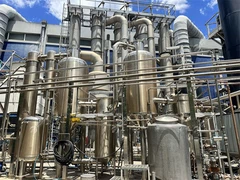
Lithium refinement involves multiple purification stages that eliminate impurities and convert lithium salts into specific chemical forms required for battery cathodes. Mangrove's patented, proprietary technology uses electrochemical processes to directly convert lithium chloride and lithium sulfate into lithium hydroxide. This represents a significant advancement over traditional methods that require multiple chemical conversion steps.
Traditional refining processes typically follow these stages:
Concentration Phase: Raw brines are concentrated through evaporation or membrane technology
Purification: Removing magnesium, calcium, and other impurities using lime and soda ash
Conversion: Chemical reactions to produce lithium carbonate or lithium hydroxide
Crystallization: Final product formation and quality control
Product Applications Across Industries
Electric Vehicle Manufacturing
Automotive companies like Tesla have recognized refining as critical to their supply chain security. Tesla has agreed to buy lithium ore from mines operated by Sayona Mining in Quebec and Liontown Resources in Australia, while simultaneously developing their own refining capabilities to ensure consistent supply for their expanding production needs.
Energy Storage Systems
Grid-scale battery installations require massive quantities of refined lithium compounds. Brines can be directly processed into lithium carbonate, suited for cheaper but less energy-dense cathodes. This makes lithium carbonate particularly attractive for stationary storage applications where weight considerations are less critical than cost efficiency.
Consumer Electronics
High-performance applications in smartphones, laptops, and other portable devices typically require lithium hydroxide due to its superior electrochemical properties and higher energy density capabilities.
Operational Scenarios And Market Dynamics
Geographic Distribution and Processing Hubs
North American Development
Piedmont Lithium was going to build lithium refineries in Tennessee and North Carolina but is now focusing just on North Carolina. This consolidation reflects the capital-intensive nature of refining operations and the need for strategic market positioning near major battery manufacturing centers.
Processing Location Strategy
Mangrove can be co-located near lithium sources, battery manufacturing facilities, or ports for optimal logistics. This flexibility allows companies to optimize transportation costs and supply chain resilience while maintaining product quality standards.
Integration with Raw Material Sources
Brine Processing
To extract the lithium, brine in underground aquifers is pumped to the surface into a series of evaporation ponds. This process requires a hot and arid climate with considerable space. The extraction process involves pumping the brine to the surface, where solar evaporation is used to concentrate the lithium.
Hard Rock Processing
Spodumene ore requires different handling compared to brine sources. As in brine-based lithium extraction, lime is added for the removal of magnesium (a constituent element in spodumene), and soda ash is used to precipitate lithium carbonate from the final purified, filtered solution.

User Pain Points And Industrial Challenges
Capital Investment and Financing
High Initial Costs
Lithium refining facilities require investments typically exceeding $500 million for commercial-scale operations. These costs include specialized equipment, environmental controls, and extensive testing facilities to ensure battery-grade purity standards.
Technical Complexity
But achieving full-scale production with a new process and inexperienced operators presents significant challenges. Unlike established chemical processes, lithium refining demands precise control over multiple variables simultaneously, requiring specialized expertise that remains scarce in the market.
Quality Control and Specifications
Purity Requirements
Battery manufacturers demand lithium compounds with impurity levels below 50 parts per million for most elements. Achieving this consistency requires continuous monitoring and adjustment of refining parameters, making process control systems critical investments.
Supply Chain Reliability
Automotive manufacturers face production delays when refining facilities experience operational issues. The lack of alternative suppliers for specific lithium grades creates vulnerability in global supply chains, particularly during demand surges.
Environmental and Regulatory Compliance
Water Usage and Management
Refining operations consume significant quantities of fresh water and generate liquid waste streams requiring treatment before discharge. Facilities must invest in water recycling systems and obtain extensive environmental permits.
Energy Consumption
The refining process requires substantial electrical power for heating, mixing, and purification steps. Rising energy costs directly impact production economics and facility location decisions.
Recycling Integration And Circular Economy
Lithium Battery Recycle Technology Advancement
The primary recycling approaches for LIBs are pyrometallurgy, hydrometallurgy, and direct recycling. The three main recycling methods are pyrometallurgy, hydrometallurgy, and direct recycling. These processes increasingly feed into refining operations, creating circular supply loops that reduce dependence on primary lithium sources.
Processing Recycled Materials
The hydrometallurgical recycling process involves a chemical precipitation methodology that allows scarce minerals to be recovered from the black mass and delivered to battery manufacturers for reuse in the production of new batteries. This integration requires refining facilities to adapt their processes for mixed feedstock from both mining and recycling operations.
Market Scale and Growth
Battery recycling will play a critical... Nearly 175,000 tons of material were reclaimed in intermediate processing facilities in 2023 with plans to handle nearly 198,000 additional tons in the next few years. This rapid expansion demonstrates how lithium battery recycle operations are becoming integral to overall supply security.

Technology Innovation And Efficiency Improvements
Process Optimization
Energy Recovery Systems
The lithium refining process also produces fungible byproducts, boosting investment rate of return, indicating that modern facilities can offset operational costs through strategic byproduct management and energy recovery systems.
Modular Design Approaches
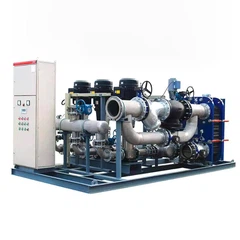
Saltworks provides high-performance, compact modular packaged, and advanced automation lithium refining systems. This modular approach allows facilities to scale production incrementally and reduce initial capital requirements while maintaining operational flexibility.
Multi-Feedstock Processing
Mangrove directly converts raw Li from brines, hard rocks, clays, and DLE into lithium hydroxide or lithium carbonate. This versatility enables refiners to optimize feedstock costs and maintain operational continuity despite supply fluctuations in specific lithium sources.
Strategic Implementation And Market Outlook
The lithium refining sector faces unprecedented growth pressure as electric vehicle adoption accelerates globally. Success requires balancing technical excellence with economic efficiency while maintaining environmental compliance and supply chain security.
Lithium refinement operations must integrate seamlessly with both upstream mining operations and downstream battery manufacturing while preparing for increasing volumes from lithium battery recycle streams. This multi-faceted challenge demands strategic planning that encompasses technology selection, facility location, financial structuring, and operational expertise development.
Companies entering this market must recognize that refining represents far more than a processing step-it serves as the critical link determining whether the global energy transition succeeds or faces supply bottlenecks that limit sustainable technology adoption.