









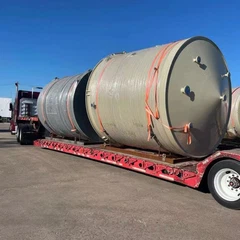


Spray drying is a fascinating process used across various industries.It transforms liquids into dry powders quickly and efficiently. This method is essential for producing consistent, high-quality products.
The spray drying process involves several key stages, These include atomization, drying, and collection. Each stage plavs a crucial role in the final product's quality.
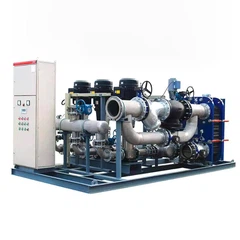
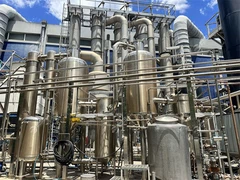
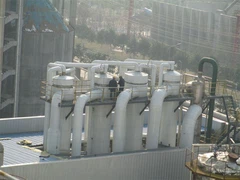
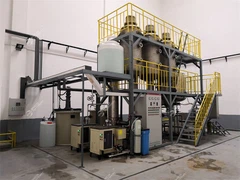
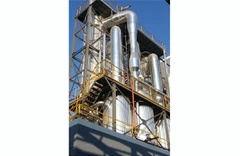
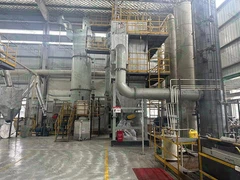
Spray dryers are the equioment used in this process.They come in different sizes and designs, catering to specific industry needs. From food to pharmaceuticals,spray dryers are indispensable.
Understanding spray drying is vital for professionals and researchers. It offers insights into improving product quality and efficiency. This guide will explore the intricacies of spray drying, its equipment, and its applications.

What ls Spray Drying?
Spray drying is a method to convert liquid or slurry into powder. This is achieved by rapidly drying it with hot gas. It's widely used for producing milk powder, coffee, and pharmaceuticals.
The process is suitable for creating uniform and fine particles. lt begins with atomization, breaking down the liquid into small droplets.This ensures a large surface area for efficient drying.
Key advantages include rapid drying and preserving heat-sensitive materials. The process generally consists of three main steps:
Atomization: Creating fine droplets from the liquid.
Drying: Evaporating moisture using hot air.
Collection: Gathering the resulting powder
Spray drving is ideal for industries recuiring precise and uniform particle sizes, it combines efticiency with fexibility, caterina to diverseapplications. This versatility makes it a popular choice for many manufacturers.
The Spray Drying Process:Step by Step
The spray drying process involves several distinct phases. Each phase is essential for transforming liquid into powder efficiently. Understanding these stages helps optimize production and product quality.
Atomization is the first crucial step. Here, a feed solution is transformed into small droplets. This is typically done using various atomizers,like rotary or nozzle types. The size of these droplets significantly influences drying efficiency.
Next the droplets enter the drying chamber. They encounter a stream of hot air, which causes rapid evaporaion of moisture. This process turns liquid droplets into dry particles swiftly.
Folowing evaporation, the solid particles need colection, Separation occurs in a cvclone separator or similar eouioment. This stage eficientygathers dry particles from the air stream, minimizing product loss.
The final step involves powder collection and further processing if needed. This yields a final product with the desired particle size and moisturecontent. Each step is essential for an effective spray drying process.

Key Components of a Spray Dryer
A spray dryer comprises several key components crucial for its operation. These components work together to transform liquid feed into powdered form efficiently.
The feed pump is vital for transferring the liquid feed into the system.It ensures a consistent flow rate, which is essential for uniform drying. Next,the atomizer converts the feed into fine droplets. The type of atomizer used can significantly impact the droplet size and drying result.
Another integral part is the air heater, which heats air to the desired temperature for drying. The drving chamber then hosts the evaporation process. Finally, the cyclone separator collects the dry particles, ensuring minimal product loss.
Key components include:
Feed pump
Atomizer
Air heater
Drying chamber
Cyclone separator
Each component plays a distinct role, contributing to the spray dryer's overall efficiency and effectiveness.
Types of Spray Drying Equipment
Spray drying equipment can vary greatly in size and functionality. Choosing the right equipment depends on the specific needs of the application. The size ranges from small-scale units for laboratory use to large systems for industrial production. Each type offers unique features tailored to different production scales and requirements.
Diferent types of spray drying equipment include those with distinct atomizers. Some common atomizer types are rotary, nozzle, and ultrasoni.Each type offers specific benefits and limitations, impacting droplet size and drying efficiency.
Types of equipment:
Small lab-scale units
Large industrial systems
Atomizer types (rotary, nozzle, ultrasonic)
Selecting the right equipment is crucial for achieving optimal drying results while maintaining product quality.

Applications of Spray Dryers in Industry
Spray drvers find extensive use across diverse industies due to their versatlity.In the food industry,they are essential for creating products like milk powder, coffee, and eggs. These spray drying processes ensure a consistent and high-quality final product.
In pharmaceuticals, spray dryers facilitate drug formulation and encapsulation. This technique supports the development of medicines with controlled release properties. lt allows for precise production of drug particles with desired characteristics.
The chemical industry also benefits from spray drying. lt's used for creating catalysts, detergents, and pigments. This process enables the production of uniform and pure chemical powders, Different industries leverage these applications to enhance product quality and efficiency.
Applications include:
Milk powder and coffee production
Drug formulation and encapsulation
Catalyst and pigment production
Advantages and Limitations of Spray Drying
Spray drying ofers numerous benefits that make it a preferred choice for many industries. One significant advantage is the ability to handle heat-sensitive materials. The process allows rapid drying at lower temperatures, protecting product integrity.
Another benefit is the production of powders with uniform particle size and moisture content. This aribute leads to consistent product quaity.
Furthermore, the process is scalable from small to large-scale production, making it highly versatile.
Despite these advantages, sprav drving does have limitations.It can be eneray-intensive, requiring efficient heat recovery systems to reduce costs. Additionally, the initial investment in spray drying equipment can be substantial.
Key points include:
Rapid drying at low temperatures
Uniform particle size and moisture
Energy-intensive process

Innovations and Trends in Spray Drying Technology
The field of spray drying is continually evolving with new technologies. lnnovations focus on improving energy efficiency and optimizing product quality. Manufacturers are investing in research to enhance the process.
Recent trends highlight eco-friendly systems and advanced control technologies. Smart sensors and automation offer better process control,leading to higher precision.
Notable trends include:
Energy-efficient drying systems
Use of automation and smart sensors
Integration with eco-friendly practices
These advancements ensure spray drying remains a valuable tool across various industries, enhancing production capabilities while minimizing environmental impact.
Safety and Maintenance Considerations
Safety is paramount in spray drying operations. The risk of dust explosions necessitates stringent precautions. Ensuring proper ventilation and monitoring dust levels are crucial steps.
Reqular maintenance of spray drying equipment helps in maintaining efficiency and safety. This includes inspecting wear and replacing parts as needed.
Key safety and maintenance considerations:
Monitor dust levels to prevent explosions
Ensure equipment is well-maintained
Conduct reqular safety checks and training
Implementing these practices ensures safe operations and extends the eauipment's lifespan.
Conclusion
Spray drying is a versatle method used across various industries. lts ability to produce consistent, high-qualty powders makes it indispensable.
While it ofters many benefits, understanding the equipment and process intricacies is vital. With proper safety measures and maintenance, spray drying can continue to be a reliable technology for diverse applications.