








Why Emergency Reverse Osmosis Is Critical for Rapid Water Access

Access to clean, potable water becomes an immediate and paramount concern during crises. Whether a natural disaster, an industrial accident, or a remote operational requirement, conventional water infrastructure can fail, become contaminated, or simply be non-existent. This is precisely why emergency reverse osmosis (RO) systems have emerged as an indispensable solution, delivering life-saving clean water with speed and reliability.
This article delves into the core of emergency RO technology, exploring its operational principles, diverse applications, and common challenges. We aim to provide a comprehensive guide, free of excessive embellishment, focusing on the essential facts that underscore the importance of these vital systems.
What is Emergency Reverse Osmosis and How Does It Function?

At its heart, emergency reverse osmosis leverages the fundamental principles of standard RO but with a critical emphasis on mobility, rapid deployment, and robustness. It's a specialized water purification technology designed to produce safe drinking water from virtually any available source – be it brackish groundwater, river water, lake water, or even seawater – under challenging conditions.
The Core Mechanism: Reverse Osmosis Explained
Reverse osmosis is a membrane-based filtration process that separates dissolved solids, organic contaminants, bacteria, and viruses from water. Unlike conventional filtration, which traps particles, RO pushes water molecules through a semi-permeable membrane at high pressure, leaving impurities behind.
1.Pre-filtration: Raw water first passes through a series of pre-filters (e.g., sediment filters, activated carbon filters). This stage is crucial for removing larger suspended solids, turbidity, chlorine, and some organic matter, protecting the delicate RO membranes from fouling and damage.
2.High-Pressure Pump: A high-pressure pump then forces the pre-filtered water across the surface of the semi-permeable RO membrane. This pressure must overcome the natural osmotic pressure of the water, allowing pure water molecules to pass through while dissolved salts and other contaminants are rejected.
3.Membrane Separation: The RO membrane acts as a molecular sieve. Water molecules (H₂O) are small enough to pass through its pores, while larger ions, molecules, and microorganisms are retained. This separates the feed water into two streams:
Permeate (Product Water): The purified water that has passed through the membrane, ready for use.
Concentrate (Brine/Reject Water): The concentrated stream of impurities and unpurified water, which is typically discharged or, in some advanced systems, further treated.
4.Post-treatment (Optional but Recommended): For drinking water applications, the permeate may undergo further treatment, such as UV sterilization or chlorination, to eliminate any remaining microbial threats and ensure long-term potability.
Distinguishing Features of Emergency RO Systems
How to differentiate an emergency RO system from a standard industrial RO plant often comes down to these key design considerations:
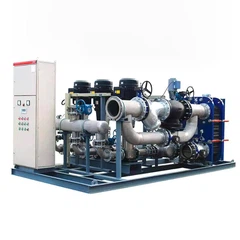
- Portability: These systems are typically housed in rugged, compact containers, trailers, or skids, often designed to be airlifted or transported over difficult terrain. This enables rapid deployment to affected areas.
- Rapid Deployment: Setup and commissioning times are minimized. Designs prioritize quick connections, intuitive controls, and minimal site preparation.
- Robust Construction: Built to withstand harsh environments, extreme temperatures, and rough handling, using durable materials and protective enclosures.
- Versatile Power Sources: Capable of operating on diverse power inputs, including diesel generators, solar panels, or grid power where available. This autonomy is critical in emergency zones.
- Modular Design: Many systems are modular, allowing for scaling up or down based on specific water demand and available resources.
- Simplified Operation: Designed for relatively straightforward operation by personnel with basic training, reducing the reliance on highly specialized technicians in a crisis.
Where Are Emergency Reverse Osmosis Systems Indispensable?
The versatile nature of emergency reverse osmosis makes it a critical asset in a wide array of demanding scenarios where reliable access to clean water is non-negotiable.
1. Natural Disaster Response
Why are these systems paramount after natural disasters? Events like hurricanes, floods, earthquakes, and tsunamis frequently contaminate existing water sources (e.g., wells, rivers) with debris, sewage, and saltwater intrusion. Simultaneously, they can destroy water treatment plants and distribution networks.
- Floods & Hurricanes: Large-scale flooding can overwhelm municipal water systems, introduce pathogens, and render tap water unsafe. Emergency RO units can draw from flooded areas or affected rivers to produce potable water for relief efforts and displaced populations.
- Earthquakes & Tsunamis: These events can rupture pipelines, collapse reservoirs, and contaminate groundwater. Portable RO systems provide immediate, on-site water production, often using local brackish sources.
- Volcanic Eruptions: Ashfall can contaminate open water sources and clog conventional filters. RO systems can process this water more effectively after pre-filtration.
2. Humanitarian Aid and Refugee Camps
Where do humanitarian organizations turn for sustainable water in prolonged crises? In areas affected by conflict, displacement, or drought, establishing a stable supply of clean water for refugee camps and vulnerable communities is a continuous challenge.
- Remote Camps: Often located far from established infrastructure, these camps require self-sufficient water purification. Emergency RO can process local water sources (wells, boreholes, rivers) to sustain thousands of people daily.
- Long-Term Deployment: Unlike bottled water, which is logistically intensive and unsustainable, RO systems provide an enduring solution, reducing dependence on external aid for basic needs.
- Disease Prevention: Providing safe drinking water is the most effective way to prevent the spread of waterborne diseases (cholera, dysentery) in densely populated, unhygienic environments.
3. Military and Defense Operations
Why do military forces rely on emergency RO? Expeditionary forces, forward operating bases, and disaster response units often operate in remote or hostile environments where access to potable water is a significant logistical hurdle and a security risk.
- Water Independence: RO systems reduce the need to transport vast quantities of bottled water, freeing up logistical assets for other critical supplies and reducing the risk associated with convoy operations.
- Versatility of Source: Military-grade RO units are designed to operate with a wide range of water sources, including highly saline or contaminated battlefield water, ensuring water security in diverse terrains.
- Rapid Deployment & Concealment: Smaller, mobile units can be quickly set up and camouflaged, providing essential water support without revealing positions.
4. Industrial Accidents and Municipal Failures
How to restore water quickly after a chemical spill or infrastructure breakdown? When industrial accidents contaminate local water supplies or when aging municipal infrastructure fails, emergency RO systems can bridge the gap until permanent solutions are implemented.
- Chemical Spills: Certain chemicals can be effectively removed by RO membranes, providing a temporary clean water source for affected communities.
- Infrastructure Failure: A major pipeline break or power outage at a municipal treatment plant can leave thousands without water. Mobile RO units can temporarily supply affected areas.
Common Challenges and How to Address Them
While emergency RO systems are indispensable, their operation in crisis environments presents unique challenges. Understanding and preparing for these issues is key to maximizing their effectiveness.

1. Raw Water Quality Variability
Problem: Unlike industrial settings with consistent feed water, emergency RO systems often face highly variable raw water quality. This can range from highly turbid river water after a flood to extremely salty seawater, or even water contaminated with unusual pollutants.
Impact: Variable quality can rapidly foul membranes, reduce permeate flow, increase maintenance needs, and shorten equipment lifespan. High turbidity and suspended solids can damage pumps and clog pre-filters quickly.
Solution: Implement robust pre-treatment. This is the single most critical factor for successful emergency RO operation.
- Multi-stage Pre-filtration: Use coarse strainers, bag filters, multimedia filters, and activated carbon filters in sequence.
- Coagulation/Flocculation: For very turbid sources, consider adding simple coagulation/flocculation followed by sedimentation to reduce suspended solids before fine filtration.
- Real-time Monitoring: Equip systems with sensors to monitor raw water turbidity, conductivity, and pH to adjust pre-treatment protocols as needed.
2. Energy Requirements and Logistics
Problem: RO is an energy-intensive process, primarily due to the high-pressure pumps. In emergency scenarios, grid power is often unavailable.
Impact: Reliance on fuel for generators can be logistically challenging, expensive, and environmentally impactful. Fuel delivery to remote or inaccessible areas can be a major bottleneck.
Solution:
- Hybrid Power Solutions: Utilize systems that can operate on multiple power sources, including diesel generators, solar arrays, or battery banks. Solar/battery combinations are ideal for reducing fuel dependency and operating silently.
- Energy-Efficient Design: Invest in systems with high-efficiency pumps and energy recovery devices where practical, especially for larger units or sustained operations.
- Fuel Management Plans: Develop robust fuel procurement and delivery logistics for generator-dependent systems, considering redundancy and stockpiling where feasible.
3. Membrane Fouling and Scaling
Problem: Even with good pre-treatment, membranes can still experience fouling (accumulation of organic matter, colloids, microorganisms) and scaling (precipitation of mineral salts like calcium carbonate) over time.
Impact: Reduced permeate flow, increased operating pressure, higher energy consumption, and eventually, irreversible membrane damage if not addressed.
Solution:
- Chemical Cleaning: Regular chemical cleaning (CIP - Clean-In-Place) using specialized membrane cleaning solutions is essential. Systems should be designed for easy CIP integration.
- Antiscalants: For sources with high mineral content, dosing antiscalants into the feed water can prevent scaling on the membrane surface.
- Membrane Flushing: Automated or manual flushing cycles with permeate water can help remove loose foulants and maintain membrane health between cleaning cycles.
- Proper Storage: When not in use, membranes must be properly stored in a biocide solution to prevent biological growth.
4. Maintenance and Spare Parts
Problem: Operating in remote or austere environments can make accessing spare parts and skilled technicians challenging. Breakdowns can have severe consequences for water supply.
Impact: Extended downtime, inability to produce water, and increased reliance on emergency backup plans.
Solution:
- Robust Design & Training: Select systems known for their reliability and simplicity of repair. Provide thorough training to on-site personnel on basic maintenance and troubleshooting.
- Spare Parts Inventory: Maintain a critical spare parts inventory, including pre-filters, RO membranes, pump seals, pressure gauges, and cleaning chemicals.
- Modular Components: Systems with easily replaceable modular components simplify repairs and reduce the need for specialized tools.
- Remote Support: Leverage satellite communication for remote diagnostic support from system manufacturers when highly specialized expertise is required.
The Future of Emergency Reverse Osmosis: Enhanced Resilience
The evolution of emergency reverse osmosis technology continues to focus on greater autonomy, efficiency, and ease of use. Innovations in energy recovery, advanced membrane materials, and smart monitoring systems are further enhancing the capabilities of these critical units. As global challenges, from climate change to geopolitical instability, continue to underscore the fragility of traditional water resources, emergency RO systems will play an increasingly vital role in building water resilience and safeguarding human well-being worldwide.