








Deionized Water: The Cutting-Edge Solution for Industry's Growing Purity Demands
Introduction: The Rising Demand for High-Purity Water in Modern Industries

As industries and technologies evolve, the demand for ultra-pure water has skyrocketed. In particular, deionized water (DI water) is becoming an essential resource in various cutting-edge industries like semiconductors, pharmaceuticals, and renewable energy. But why is deionized water so crucial, and how is it shaping the future of these industries?
The need for water purity has always existed, but as technological advances push the boundaries of precision, the importance of removing impurities from water has grown significantly. The rising use of DI water is tied directly to its unparalleled ability to provide the highest level of purity, free of the ions and minerals that can cause defects, failures, or inefficiencies in modern production processes.
The Science Behind Deionized Water: Purity at the Molecular Level

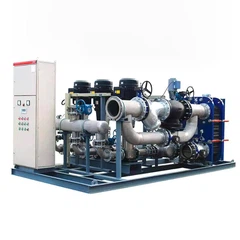
Deionized water is produced through a process called ion exchange, where water passes through resins designed to remove charged particles (ions) like calcium, magnesium, sodium, and chloride. By removing these ions, DI water becomes an excellent medium for highly sensitive and precise applications, providing an almost non-conductive solution ideal for various technical processes.
This purity comes at a cost-DI water is often more expensive to produce than regular tap or distilled water, requiring specialized equipment and ongoing maintenance. Nevertheless, its ability to meet the stringent purity requirements of industries like semiconductor manufacturing, pharmaceutical production, and solar energy systems makes it indispensable.
DI Water in Semiconductors: Keeping Electronics Clean
In the semiconductor industry, the production of microchips and other electronic components relies on extreme purity. Even minute amounts of minerals or impurities in the water can interfere with the manufacturing process, leading to defects that could cause significant product failure.
DI water plays a crucial role in cleaning wafers, equipment, and components. For instance, during the wafer manufacturing process, DI water is used to rinse away chemical residues and contaminants that could affect the performance of microchips. Any trace of impurities could ruin the integrity of the semiconductor devices, which is why high-purity DI water is an essential part of semiconductor manufacturing lines.
DI Water in Pharmaceuticals: Ensuring Product Safety and Efficacy
The pharmaceutical industry demands highly sterile and purified environments to ensure the safety and efficacy of drugs. DI water is critical in pharmaceutical production, especially when preparing injectable solutions, cleaning equipment, and even in the formulation of some medications.
Pharmaceutical companies rely on DI water because it eliminates ions and other contaminants that could potentially interfere with the manufacturing process or even compromise drug quality. By using DI water, pharmaceutical manufacturers ensure that no unwanted chemicals are introduced, preserving both the integrity and safety of the products they produce.
DI Water in Renewable Energy: Powering the Future
The renewable energy sector, particularly solar power generation, is increasingly adopting DI water for cleaning and maintenance purposes. Photovoltaic (solar) panels require frequent cleaning to maintain their efficiency, and DI water is preferred because it doesn't leave behind mineral residue that could diminish the effectiveness of the panels.
In addition, DI water is used in the cooling systems of renewable energy plants, such as in concentrated solar power (CSP) plants, where high-heat processes require the use of water that won't introduce minerals or bacteria into sensitive systems.
As the renewable energy sector continues to grow, so too does the importance of DI water in optimizing operations and ensuring long-term sustainability.
Emerging Technologies: Innovations in Deionized Water Production
The demand for DI water is not only growing but evolving with advancements in water purification technology. Emerging technologies such as electrodeionization (EDI) and reverse osmosis are transforming the way DI water is produced.
- Electrodeionization (EDI) is a newer technology that combines electrolysis and ion-exchange resins to produce ultra-pure water. EDI systems are highly energy-efficient and require fewer chemicals, offering an environmentally friendly alternative to traditional ion exchange systems.
- Reverse Osmosis (RO), although not exclusive to DI water production, is often used as a pre-treatment method. When paired with DI water systems, RO provides a dual-layered approach to achieving the highest purity.
These innovations are reducing the costs associated with DI water production while improving the efficiency and environmental sustainability of the process. As more industries adopt these cutting-edge technologies, DI water will continue to play a pivotal role in shaping the future of manufacturing, energy production, and pharmaceuticals.
Environmental Challenges: Addressing the Water Consumption Dilemma

As the demand for DI water grows, so do the concerns about its environmental impact. The production of DI water is energy-intensive, and water itself is a precious resource. While DI water plays a critical role in advancing technological industries, it is essential to ensure that its production does not contribute to environmental degradation.
Recycling and reusing DI water is an emerging trend that is helping industries mitigate the environmental impact. Advanced filtration systems and recycling programs are enabling companies to reuse DI water in a more sustainable manner, reducing waste and cutting down on consumption. Additionally, companies are investing in closed-loop systems that minimize water loss and reuse water for multiple cycles.
The Future of Deionized Water: Meeting the Needs of Tomorrow's Industries
The future of DI water is bright. As industries continue to push for higher precision, cleaner environments, and more sustainable practices, DI water will be at the forefront of ensuring that these needs are met.
From semiconductors to renewable energy, DI water will remain an essential tool for industries that require the highest levels of purity. As technology evolves and new water purification techniques emerge, DI water will continue to be indispensable for powering industries that shape our future.
Conclusion: Deionized Water's Role in Shaping a High-Tech World
Deionized water is far more than just purified water-it's a critical resource for industries on the cutting edge of technological and scientific advancement. Whether it's cleaning electronic components, ensuring the safety of pharmaceuticals, or powering renewable energy systems, DI water plays a pivotal role in maintaining the purity and efficiency of modern industrial processes.
As technology advances and industries become more interconnected, the demand for DI water will only grow. The challenge will be to meet this demand sustainably while continuing to innovate and improve the production methods that keep DI water in the spotlight. For now and the foreseeable future, deionized water is indispensable to the technologies that are driving us forward.