








Why Does Irrigation Pump Efficiency Drive Agricultural Success?

Agricultural productivity hinges on reliable water delivery systems, where the irrigation pump plays a pivotal role in transporting water from sources like wells, rivers, or reservoirs to fields. Inefficient pumping can lead to uneven crop distribution, increased energy costs, and reduced yields, while optimized systems ensure consistent moisture levels critical for plant health.
As climate variability intensifies and water resources become scarcer, selecting the right irrigation pumpshas evolved from a basic necessity to a strategic decision affecting farm profitability. This technology encompasses centrifugal, submersible, turbine, and booster variants, each tailored to specific terrain, water source depth, and flow requirements.
For farmers and agronomists, understanding pump mechanics reveals opportunities to minimize downtime, conserve resources, and maximize output-transforming potential vulnerabilities into competitive advantages.

Fundamentals of Irrigation Pump Technology
Pump Types and Operating Principles
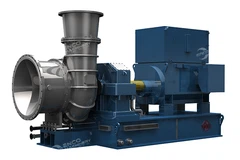
Centrifugal irrigation pumps use rotating impellers to create centrifugal force, ideal for surface water sources with low lift requirements. They excel in high-volume, low-pressure scenarios, such as flood irrigation on flat lands.
Submersible pumps operate underwater, pushing water upward through enclosed motors, suited for deep wells where suction limitations would hinder surface units.
Turbine pumps combine impeller stages for high-head applications, drawing water from significant depths in borehole systems.
The irrigation booster pump specifically increases pressure in existing lines, compensating for elevation changes or extended distribution networks without overhauling the entire system.
Key Performance Metrics
- Flow Rate (GPM or m³/h): Measures water delivery volume, matched to crop water needs and field size.
- Head Pressure: Total dynamic head accounts for elevation, friction losses, and required sprinkler pressure.
- Efficiency Rating: Modern pumps achieve 70-85% efficiency, directly impacting energy consumption.
- Power Source: Electric, diesel, solar, or hybrid options influence operational costs and reliability.
Material construction-cast iron for durability, stainless steel for corrosion resistance-determines longevity in varying water qualities.
Practical Applications in Farming Operations
Crop-Specific Usage
In row crop farming, centrifugal irrigation pumps support drip systems delivering precise water volumes, reducing evaporation losses by up to 30% compared to overhead methods.
Orchard and vineyard operations often employ submersible units for consistent pressure in undulating terrain, ensuring uniform fertigation-simultaneous fertilizer and water application.
Large-scale pivot irrigation relies on turbine pumps for high-volume delivery, covering hundreds of acres with minimal labor.
Irrigation booster pumps integrate into zonal systems, maintaining pressure across expansive fields or greenhouse networks where initial source pressure falls short.
Integration with Modern Systems
Pumps pair with variable frequency drives (VFDs) for speed adjustment based on real-time demand, optimizing energy use. Sensor integration enables automated operation via soil moisture probes or weather data, preventing over-irrigation.
Solar-powered variants suit remote locations, providing sustainable operation with battery backups for cloudy periods.
Addressing User Pain Points in Pump Operations
Energy Consumption and Cost Overruns
High electricity or fuel bills plague many farmers, especially with oversized pumps running at partial capacity. Inefficient models waste 20-40% of input energy through heat and friction.
Mitigation involves right-sizing via pump curve analysis and adopting high-efficiency motors, potentially cutting costs by 25%.
Maintenance and Downtime Issues
Corrosive water or sediment buildup leads to impeller wear, seal failures, and motor burnout, causing unexpected field dry-downs during critical growth stages.
Regular inspections, protective strainers, and scheduled lubrication extend service life, while modular designs facilitate quick part replacements.
Installation and Compatibility Challenges
Mismatched pumps to pipe sizes create cavitation-vapor bubble formation damaging components-or insufficient flow, frustrating initial setups.
Professional hydraulic assessments ensure compatibility, factoring in net positive suction head (NPSH) to prevent operational failures.
Environmental and Regulatory Pressures
Water scarcity regulations demand efficient use, yet older pumps contribute to excessive drawdown, risking aquifer depletion.
Upgrading to low-flow, high-efficiency systems complies with standards while conserving resources.
Resolving Common Problems: Expert Guidance
"What causes pump priming failures?"
Air leaks in suction lines or low water levels prevent proper priming. Install foot valves and ensure submersion depth exceeds 5-10 feet, depending on model.
"How do I handle pump cavitation?"
Cavitation stems from inadequate NPSH. Relocate pumps closer to water sources or use irrigation booster pumps to maintain inlet pressure above 4-5 psi.
"Why does my pump overheat?"
Overloading, poor ventilation, or blocked impellers cause overheating. Monitor amperage draw and clean intakes quarterly.
"Can irrigation pumps handle variable water quality?"
Sediment-heavy water requires pre-filters; chemical-resistant materials combat salinity. Test water annually to adjust maintenance protocols.
"What's the lifespan of typical irrigation pumps?"
Quality units last 10-20 years with proper care, though impellers may need replacement every 5-7 years in abrasive conditions.
Selection Guidelines for Optimal Performance
Assessing Site Requirements
Calculate total head: static lift + friction losses + operating pressure. For a 10-acre field at 50 psi, aim for 200-300 GPM capacity.
Factor in duty cycle-continuous vs. intermittent-to avoid undersizing.
Economic Evaluation
Initial costs range from $500 for small electric units to $10,000+ for industrial turbines. Consider total ownership: energy, maintenance, and replacement expenses.
Solar options offer zero fuel costs but higher upfront investment, with ROI in 3-5 years in sunny regions.
Safety and Compliance Features
Look for overload protection, dry-run sensors, and UL-listed components. In flood-prone areas, elevated mounting prevents submersion damage.

Emerging Trends in Irrigation Pump Design
Smart Connectivity
IoT-enabled pumps allow remote monitoring via apps, alerting users to anomalies like pressure drops or power surges.
Sustainable Innovations
Variable speed drives and regenerative braking reduce energy use by 15-30%. Biofuel-compatible diesel models support green transitions.
Material Advancements
Composite impellers resist corrosion better than traditional metals, extending life in saline environments.
Strategic Implementation and Conclusion
Deploying an irrigation pump demands holistic planning: from hydraulic design to ongoing monitoring. Success metrics include improved crop uniformity, reduced water usage (up to 20%), and lower operational costs.
For agricultural professionals, mastering pump technology isn't optional-it's essential for resilience against drought and market pressures. Whether upgrading existing irrigation pumps or integrating an irrigation booster pump, data-driven choices yield measurable returns, securing long-term farm viability in an increasingly challenging environment.