








How Plate Heat Exchangers Improve Efficiency
Plate type heat exchangers are revolutionizing the way industries manage heat transfer. These devices are known for their efficiency and compact design. They play a crucial role in various applications, from HVAC systems to chemical processing.
Their design maximizes heat transfer while minimizing space requirements. This makes them ideal for industries where space is at a premium.The use of thin, corrugated plates enhances their thermal performance
Gasketed plate heat exchangers offer easy maintenance and adaptability. They allow for quick disassembly, making cleaning and repairs straightforward. This flexibility is a significant advantage in dynamic industrial environments.
Overall, plate heat exchangers contribute to energy savings and improved process efficiency. Their benefits make them a preferred choice across many sectors.
What Is a Plate Type Heat Exchanger?
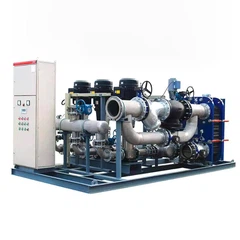
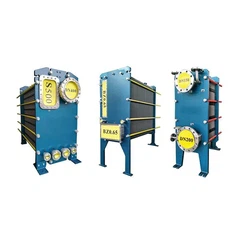
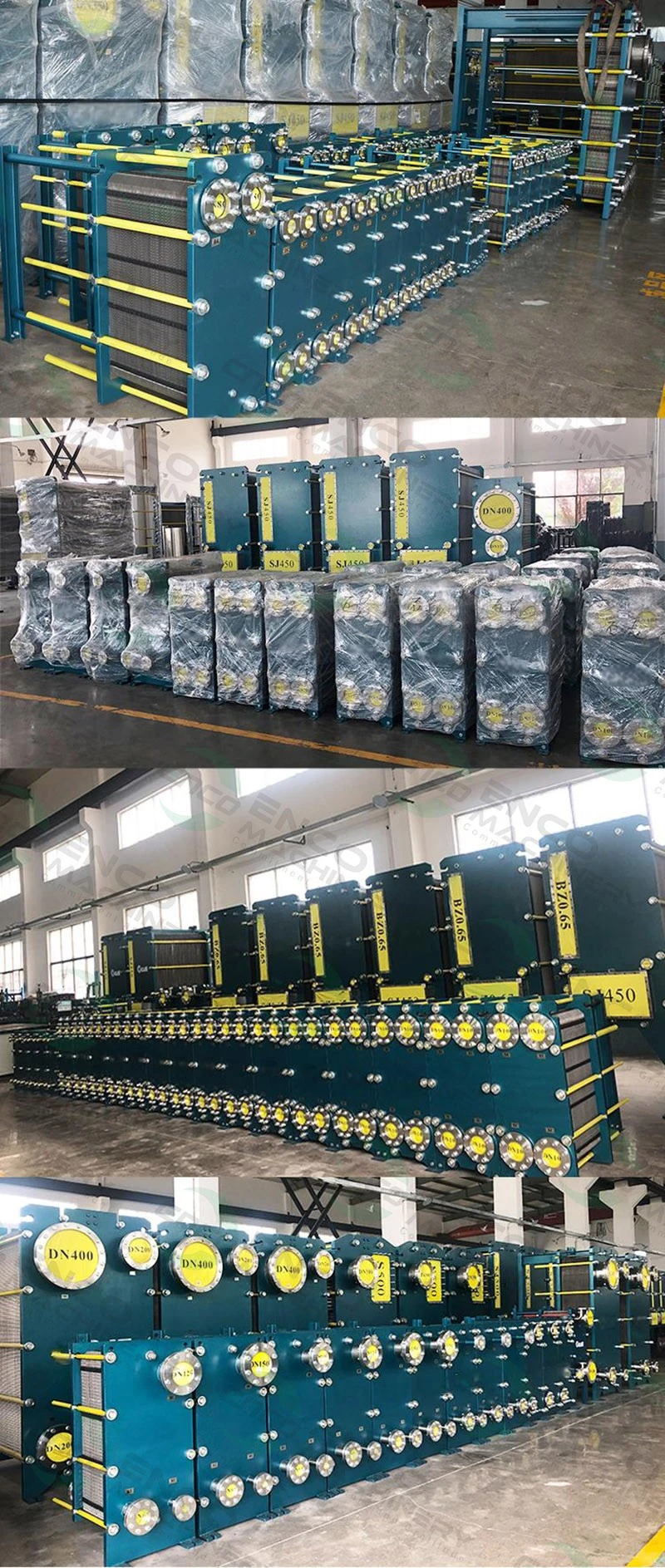
A plate type heat exchanger consists of a series of thin, corrugated plates. These plates facilitate efficient heat transfer between two fluids without mixing them. The corrugated design increases surface area, enhancing the exchanger's thermal performance.
Each plate is separated by gaskets, directing the flow of fluids. These gaskets help maintain a seal, ensuring that the fluids remain contained. The configuration allows heat to pass through the plate but keeps the fluids distinct.
Key characteristics of plate type heat exchangers include:
- High heat transfer efficiency
- Compact and space-saving design
- Quick and easy maintenance
These attributes make them a popular choice across various industries, including food processing, pharmaceuticals, and HVAC systems. Their efficiency in energy transfer helps reduce operational costs significantly.
How Plate Heat Exchangers Work
Plate heat exchangers work by transferring heat between two separate fluids. These fluids flow on opposite sides of the plates. Each plate is pressed tightly together, forming channels where the fluids pass.The corrugated surface of the plates generates turbulence. This turbulence enhances heat transfer efficiency. Increased turbulence ensures better mixing and faster heat exchange within the fluids.
The mechanism is straightforward yet highly effective:
- Fluids enter through separate inlets
- Heat transfers across the plates from hot to cold fluid
- Fluids exit through distinct outlets
This process avoids fluid mixing while maximizing thermal exchange. The compact arrangement reduces space requirements, allowing easy integration. Enhanced heat transfer rates lead to significant energy savings.
In summary, their innovative design results in efficient ,reliable, and versatile performance across various applications. This makes plate heat exchangers a preferred choice in many industries
Key Features of Plate Heat Exchangers
Plate heat exchangers boast features enhancing heat transfer capabilities. Their design maximizes efficiency and reliability. With a large surface area, these exchangers facilitate rapid heat exchange.
A significant feature is their modularity. Adding or removing plates adjusts capacity. This flexibility meets diverse processing needs.
Additional features include:
- Corrugated plates for increased turbulence
- Compact size,ideal for limited spaces
- Quick disassembly for easy cleaning
Durability is another standout feature. High-quality materials resist corrosion and wear, This extends the service life of these devices, Optimized design and materials ensure consistent peformance over time, This makes plate beat exchangers a favorable option for numerous industries
Types of Plate Heat Exchangers: Gasketed and Compact Designs
Plate heat exchangers come in various designs, each suited for specific needs. Gasketed plate heat exchangers are popular for many applications. Their design allows easy maintenance, enhancing operational efficiency.Gasketed designs use rubber gaskets between plates. This feature ensures a tight seal.It allows for quick disassembly, making cleaning simple Compact heat exchangers, on the other hand, are known for their space-saving benefits. They fit well in tight spaces. Despite their size, they deliver high thermal efficiency.
Notable features of these designs include:
- Ease of maintenance and cleaning
- Space-efficient and high-performing
- Flexible for diverse applications
Both types offer significant advantages. They accommodate different industry requirements effectively, proving invaluable in varied settings.
 |
 |
Efficiency Advantages of Plate Type Heat Exchangers
Plate type heat exchangers provide distinct efficiency benefits that are significant for industrial processes. They excel due to their unique design featuring thin, corrugated plates. This structure maximizes the surface area for heat transfer, enhancing thermal performance.
One of the standout advantages is their ability to transfer heat quickly between fluids without mixing. They achieve this due to the high turbulence created by the corrugated plates, boosting heat exchange rates. This capability results in superior energy savings.
Additionally, their modular design supports easy adjustments in capacity. By simply adding or removing plates, businesses can adapt to changing requirements. This flexibility improves operational efficiency, especially in dynamic industrial environments.
Key efficiency benefits include:
- High thermal performance due to large surface area
- Quick heat transfer and energy savings
- Easy capacity adjustments and operational flexibility
These efficiency perks can lead to reduced operational costs and more sustainable industrial operations. Plate type heat exchangers are a noteworthy choice for businesses aiming for optimal performance and sustainability.
Applications Across Industries
Plate type heat exchangers are versatile and serve numerous industrial sectors. Their adaptability makes them a popular choice across diverse applications.
In the HVAC industry, they efficiently manage heating and cooling systems. Their compact design is ideal for space-limited environments.Moreover, they are crucial in the food and beverage industry, ensuring rapid and safe temperature changes necessary for food safety.
Additionally, they play a vital role in chemical and pharmaceutical processes where precise thermal control is essential. Their reliability ensures product quality and operational safety.
Common industry applications include:
- HVAC systems
- Food and beverage processing
- Chemical and pharmaceutical industries
These sectors benefit from the efficiency, adaptability, and durability of plate heat exchangers, making them an indispensable component in modern industrial operations.
Maintenance and Operational Benefits
Plate type heat exchangers offer remarkable ease of maintenance. Their modular design allows for quick disassembly. This feature simplifies cleaning and routine inspections, reducing downtime significantly.
Operationally, their benefits extend to versatility and reliability. These exchangers handle fluctuations in temperature and pressure without compromising performance. Their design minimizes fouling and extends operational life.
Key maintenance and operational advantages include.
- Easy cleaning and inspection
- Reliable performance under varying conditions
- Reduced downtime and maintenance costs
Overall,the construction of plate heat exchangers ensures efficient and uninterrupted operation, making them a preferred choice for facilities seeking reliability and longevity.
Plate Heat Exchangers vs. Other Heat Exchanger Types
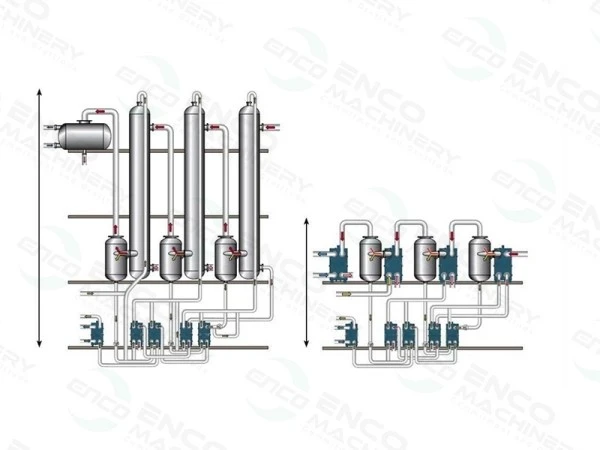
Plate type heat exchangers have several advantages over traditional exchangers like shell-and-tube types. Their compact design ensures efficient use of space without sacrificing performance. In contrast, shell-and-tube exchangers often require more space and support.
In addition to space savings, plate heat exchangers provide superior efficiency. They offer quicker thermal response and lower energy consumption. This makes them particularly cost-effective in both installation and operation.
Key differences include:
- Compact,space-efficient design
- Higher thermal efficiency
- Faster response to temperature changes
These traits make plate heat exchangers an excellent choice for modern industrial applications needing both efficiency and economy.
Conclusion: Why Choose Plate Type Heat Exchangers?
Plate type heat exchangers stand out due to their efficiency, compactness, and versatility. They meet diverse industry needs while offering significant energy savings.
Their ease of maintenance and adaptability to various processes enhance their appeal. By choosing plate heat exchangers, industries can optimize performance and reduce operational costs, making them a smart choice for sustainable and reliable heat transfer solutions.