








Efficient Waste Water Evaporator Solutions for Industrial
WasteIndustrial wastewater management is a critical component of sustainable business operations. Companies across various sectors generate substantial volumes of wastewater, which can pose serious environmental and regulatory challenges if not managed properly. One of the effective methods for managing industrial wastewater is through the use of evaporators. These devices offer a practical solution for reducing waste volume and recovering valuable resources. This guide delves into the technical aspects of industrial wastewater evaporators, providing insights into their operation, benefits, and considerations for implementation. Understanding and leveraging these systems can significantly enhance a company's environmental footprint while optimizing operational costs.

Water evaporators are devices designed to remove water from wastewater by converting it into vapor. This process reduces the volume of waste, making it easier and more cost-effective to manage. The core principle involves heating the wastewater until the water content evaporates, leaving behind concentrated waste. By converting water into vapor, evaporators effectively reduce the bulk of wastewater, facilitating easier handling and disposal. This reduction not only cuts down on transportation and disposal costs but also minimizes the environmental impact associated with wastewater disposal.
The Process of Water Evaporation
Water evaporation is a natural process where water is transformed from a liquid to a gaseous state. In industrial settings, this process is accelerated using evaporators. The water evaporator heats the wastewater, causing the water molecules to gain energy and transition into vapor. This vapor can then be condensed and collected, leaving behind a concentrated sludge. The condensed vapor, often cleaner than the original wastewater, can sometimes be reused in industrial processes, further enhancing resource efficiency. This method is particularly beneficial in industries with high water usage, such as food processing, textiles, and chemical manufacturing.
Evaporative Cooling
Evaporative cooling is a principle often utilized in evaporator systems. It involves the removal of heat from the liquid as it evaporates, which can be harnessed to improve energy efficiency in industrial processes. This method not only aids in water evaporation but also helps in maintaining optimal operating temperatures. By utilizing the cooling effect of evaporation, industries can reduce their reliance on traditional cooling systems, thereby saving energy and lowering operational costs. Additionally, evaporative cooling can help protect sensitive equipment from overheating, prolonging its lifespan and reducing maintenance needs.
Types of Industrial Waste Water Evaporators
There are several types of evaporators used in industrial applications, each with its unique features and benefits. Selecting the right type of evaporator depends on the specific requirements of the industrial process, the nature of the wastewater, and the desired outcomes. Each type offers distinct advantages and is suited to different operational contexts, making it crucial for industries to understand their options.

1. Mechanical Vapor Recompression (MVR) Evaporators
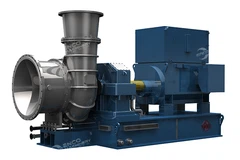
MVR evaporators use mechanical energy to compress and recycle vapor, reducing energy consumption. They are highly efficient and are suitable for large-scale operations where energy savings are paramount. MVR systems are designed to recover and reuse energy within the evaporation process, making them one of the most energy-efficient options available. Their ability to operate at lower temperatures also makes them ideal for handling heat-sensitive materials, thus expanding their applicability across various industries.
2. Forced Circulation Evaporators
These evaporators use pumps to force the liquid through the system, ensuring uniform heat distribution. They are ideal for handling viscous liquids and slurries. The forced circulation prevents the buildup of solids, which can cause blockages and reduce efficiency. This makes them particularly useful in industries that deal with thick or sticky wastewater streams. Additionally, forced circulation systems are known for their robustness and durability, making them a reliable choice for demanding industrial environments.
3. Falling Film Evaporators
In falling film evaporators, the liquid flows downwards over heated tubes, promoting rapid evaporation. They are efficient for low to medium viscosity liquids and are known for their gentle handling of heat-sensitive materials. The thin film of liquid ensures quick heat transfer and evaporation, making these systems suitable for applications requiring precise temperature control. Falling film evaporators are often used in the food and beverage industry, where preserving product quality is essential.
4. Flash Evaporators
Flash evaporators rapidly expose the liquid to low pressure, causing instant evaporation. They are commonly used in industries where quick processing is necessary. The rapid evaporation process is achieved by reducing the pressure in the evaporator chamber, which causes the liquid to vaporize almost instantaneously. This method is particularly effective for high-volume operations and is often employed in desalination plants and chemical industries.
Key Components of Water Evaporators
Understanding the components of water evaporators is crucial for effective operation and maintenance. Each component plays a specific role in the evaporation process, and their proper functioning is essential for the overall efficiency of the system. Regular inspection and maintenance of these components can prevent operational disruptions and extend the lifespan of the evaporator.
Evaporator Coils
Evaporator coils are critical in transferring heat to the wastewater. However, issues such as freezing and water droplet formation can occur. It's essential to ensure proper maintenance to prevent these problems, which can hinder the evaporator's efficiency. Regular cleaning and inspection of the coils can help detect early signs of wear and tear, allowing for timely repairs. Additionally, selecting the right materials for the coils can enhance their resistance to corrosion and scaling, ensuring consistent performance over time.
Heat Exchangers

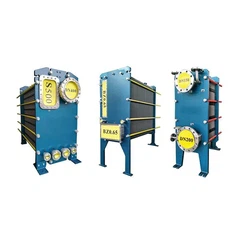
Heat exchangers facilitate the transfer of heat from one fluid to another, improving the evaporation process. They play a vital role in energy efficiency and operational effectiveness. By maximizing heat recovery, heat exchangers can significantly reduce the energy requirements of the evaporation process. Regular maintenance of heat exchangers is essential to prevent fouling and scaling, which can impede heat transfer and increase energy consumption. Advanced designs and materials can further optimize their performance, providing long-term energy savings.
Pumps and Compressors
Pumps and compressors are used to move fluids and vapors through the system. Their efficiency directly impacts the overall performance of the evaporator. Ensuring that pumps and compressors are properly sized and maintained can prevent energy wastage and ensure consistent operation. Regular monitoring of these components can help identify issues such as leaks or wear, allowing for timely interventions. Investing in high-efficiency pumps and compressors can also contribute to significant energy savings over the lifespan of the evaporator system.
Common Challenges and Solutions
Evaporator Coil Freezing
A common issue is the evaporator coil freezing, which can lead to water droplets forming and reducing efficiency. Regular maintenance and monitoring of temperature settings can help mitigate this problem. Implementing automated control systems can also help maintain optimal temperature levels, preventing the formation of ice on the coils. Additionally, using defrosting mechanisms can quickly remove any ice buildup, ensuring uninterrupted operation.
Scaling and Fouling
Scaling and fouling occur when minerals and impurities accumulate on surfaces, affecting heat transfer. Implementing regular cleaning schedules and using anti-fouling agents can help maintain optimal operation. Advanced water treatment methods, such as reverse osmosis, can also reduce the mineral content in the wastewater, minimizing the risk of scaling. Periodic inspections and the use of specialized cleaning solutions can further extend the lifespan of the evaporator and maintain its efficiency.
Energy Consumption
Evaporators can be energy-intensive. Opting for energy-efficient designs and technologies, such as MVR systems, can significantly reduce energy usage. Implementing energy recovery systems and utilizing renewable energy sources can further enhance the sustainability of the evaporation process. Regular energy audits can help identify areas for improvement, allowing for targeted interventions that optimize energy use. By focusing on energy efficiency, industries can lower their operational costs and reduce their environmental impact.
Benefits of Using Water Evaporators
Volume Reduction
One of the primary benefits of water evaporators is the significant reduction in wastewater volume, which lowers disposal costs and environmental impact. By concentrating the waste, industries can manage their disposal more efficiently, reducing the need for extensive treatment facilities. This volume reduction also translates to fewer transportation requirements, further cutting down on costs and emissions associated with waste management.
Resource Recovery
Evaporators can aid in recovering valuable resources from wastewater, such as metals and salts, turning waste into a potential revenue stream. This process not only provides environmental benefits but also offers economic incentives for industries. By extracting these resources, companies can reduce their reliance on raw materials, contributing to a circular economy. Additionally, the recovered resources can sometimes be sold, providing an additional source of income.
Compliance with Regulations
Using water evaporators helps industries comply with environmental regulations by reducing the volume and toxicity of wastewater. By meeting regulatory standards, companies can avoid potential fines and reputational damage. Furthermore, compliance demonstrates a commitment to sustainability, enhancing a company's corporate image and stakeholder trust. Proactive management of wastewater can also open up new business opportunities, as more clients and partners prioritize environmentally responsible practices.
Considerations for Implementation
When implementing industrial wastewater evaporators, several factors should be considered to ensure effective operation. A thorough assessment of the specific industrial context and wastewater characteristics is essential for successful integration. Proper planning and consultation with experts can help address potential challenges and optimize the benefits of the system.
Cost
Initial investment and operational costs must be weighed against the potential savings in disposal and resource recovery. A detailed cost-benefit analysis can help determine the financial viability of the evaporator system. Industries should also consider potential financing options, such as government incentives or grants, which can offset initial costs. Investing in quality equipment and technology can lead to long-term savings, making it a worthwhile consideration.
Space Requirements
Evaporators require adequate space for installation and maintenance. Planning for sufficient space is crucial for seamless operation. Industries should evaluate their existing facilities and consider any necessary modifications to accommodate the new system. Strategic planning can help maximize the use of available space, ensuring easy access for maintenance and minimizing disruption to other operations. Additionally, considering modular designs can provide flexibility for future expansion or reconfiguration.
System Integration
Evaporators should be integrated into existing wastewater treatment systems without disrupting current operations. Careful planning and coordination with system engineers can ensure a smooth transition. Industries must assess their current infrastructure and identify potential integration points, ensuring compatibility with existing processes. By aligning the evaporator with the overall wastewater management strategy, industries can enhance system efficiency and achieve greater environmental benefits.
Conclusion
Industrial wastewater evaporators are powerful tools for managing wastewater efficiently and sustainably. By understanding the different types of evaporators, their components, and common challenges, industries can make informed decisions to optimize their wastewater treatment processes. Proper implementation not only aids in environmental compliance but also offers economic benefits through resource recovery and reduced disposal costs. Investing in the right evaporator technology can transform wastewater management from a regulatory burden into a strategic advantage.
Incorporating advanced evaporator technologies into your industrial processes can significantly enhance your wastewater management strategy, contributing to both operational efficiency and environmental sustainability. As industries continue to face increasing regulatory pressures and environmental challenges, adopting innovative solutions like water evaporators can pave the way for a more sustainable and profitable future. By staying informed and proactive, businesses can turn wastewater challenges into opportunities for growth and innovation.