








How Do Massive Ocean Water Distillers Solve Global Water Scarcity?
Introduction: The Growing Need for Freshwater Solutions
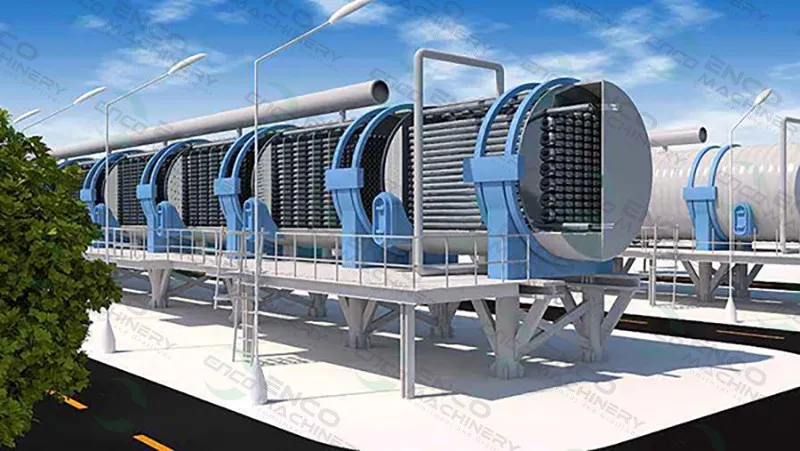
With 97.5% of Earth's water locked in oceans, massive ocean water distillers emerge as game-changing solutions for freshwater production. These industrial-scale systems convert seawater into potable water through advanced distillation processes. Unlike traditional desalination methods, large-scale distillers offer higher efficiency and lower environmental impact-critical factors as water scarcity affects over 2 billion people worldwide.
This article explores how these systems operate, where they deliver the most impact, and why industries and communities increasingly rely on them.
How Do Massive Ocean Water Distillers Work?
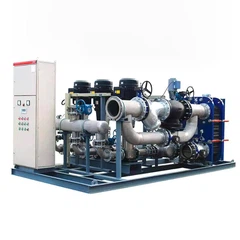
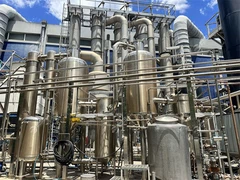
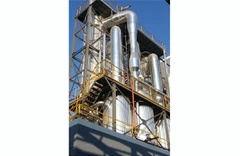
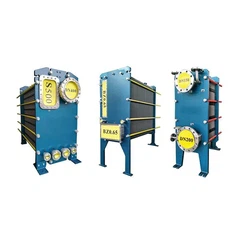
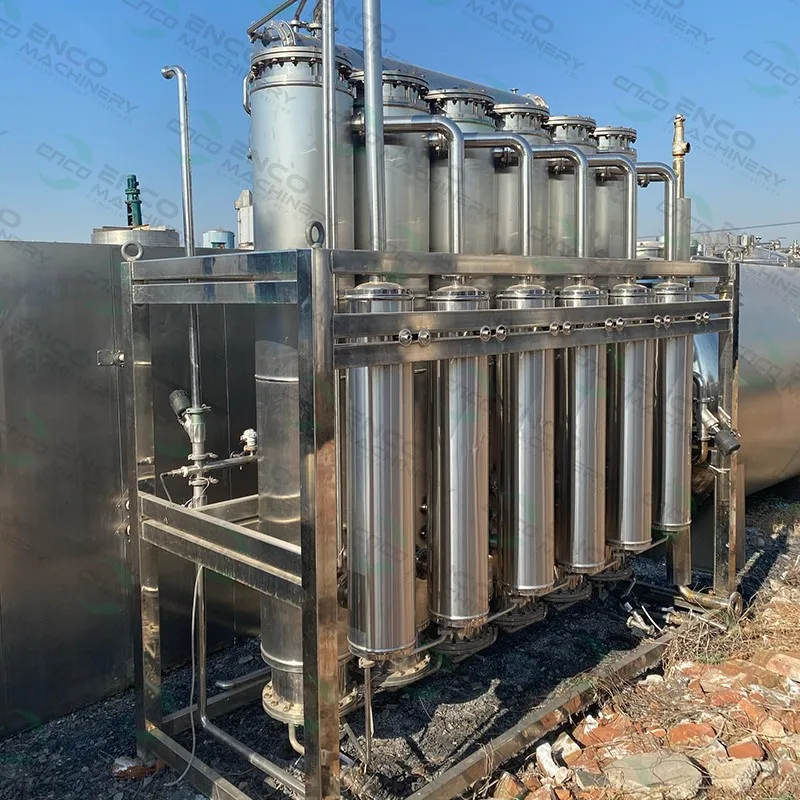
Ocean water distillers purify seawater by heating it to vaporize freshwater while leaving salts and impurities behind. The vapor then condenses into clean, drinkable water. Here's a breakdown of their core mechanisms:
1. Thermal Distillation Process
- Multi-Stage Flash Distillation (MSF): Heats seawater in stages at progressively lower pressures, forcing rapid vaporization.
- Multiple-Effect Distillation (MED): Uses residual heat from previous evaporation cycles for energy efficiency.
2. Membrane-Free Operation
Unlike reverse osmosis (RO), distillation requires no membranes, reducing maintenance costs and eliminating membrane fouling-a common pain point in RO systems.
3. Scalable Capacity
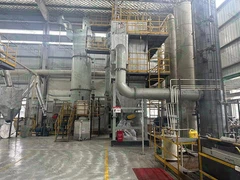
Industrial distillers process 50,000+ gallons per day, making them ideal for:
- Municipal water supply
- Agricultural irrigation
- Military operations
Key Benefit: Higher purity output (99.9% salt removal) compared to RO.
Where Are Massive Ocean Water Distillers Most Needed?
Water scarcity hotspots and industries with high freshwater demands benefit the most:
1. Arid Coastal Regions
- Middle Eastern nations (Saudi Arabia, UAE) rely heavily on desalination due to limited groundwater.
- Remote islands (e.g., Maldives) use distillers for self-sufficient water supplies.
2. Industrial Applications
- Oil & Gas: Offshore rigs distill seawater for equipment cooling and personnel use.
- Shipping: Large vessels integrate compact distillers for onboard freshwater.
3. Disaster Relief
Deployable distillers provide emergency drinking water post-tsunamis or hurricanes.
User Pain Point Addressed: Communities avoid costly water imports while ensuring supply stability.

Why Are Traditional Desalination Methods Falling Short?
While reverse osmosis dominates the desalination market, it faces critical limitations:
|
Issue |
Reverse Osmosis |
Massive Distillers |
|
Energy Efficiency |
High (~3-10 kWh/m³) |
Improved via waste heat use |
|
Brine Disposal |
Harmful hyper-salty output |
Lower environmental impact |
|
Maintenance Complexity |
Frequent membrane changes |
No membranes, less downtime |
Distillation Offers:
- Longer system lifespan
- Better handling of algae-heavy or polluted seawater
- Compatibility with solar/waste heat energy
Future Innovations: Cutting Costs & Boosting Sustainability
Emerging advancements aim to make massive distillers cheaper and greener:
1. Solar-Powered Distillation
Heliostat mirrors concentrate sunlight to heat seawater, slashing operational costs.
2. Hybrid Systems (RO + Distillation)
Combining technologies maximizes efficiency while minimizing waste.
3. AI-Optimized Heat Recycling
Machine learning models predict optimal heat reuse patterns, reducing energy waste.
User Takeaway: Investing in next-gen distillers future-proofs water infrastructure.
Conclusion: The Role of Distillers in a Water-Secure Future
Massive ocean water distillers address critical gaps left by conventional desalination-especially in regions lacking infrastructure or facing extreme droughts. Their membrane-free design, scalability, and improving sustainability make them indispensable for global freshwater security.
For governments and industries navigating water scarcity, adopting large-scale distillation isn't just an option-it's an urgent necessity.
Ready to explore distillation solutions? Evaluate systems based on daily output, energy sources, and integration with existing infrastructure.