









Understanding the Basics of Liquid Pumps
Liquid pumps are essential devices used in various industries to move liquids from one place to another. Whether you're working with water, oil, or more viscous substances, choosing the right pump is crucial to ensure efficiency and reliability. In this article, we will explore the basics of liquid pumps, including their types, applications, and how to choose the right one for your needs.

What is a Liquid Pump?
A liquid pump is a machine designed to move liquid by mechanical action. This can be achieved through various means, such as displacement, centrifugal force, or electromagnetic force. Liquid pumps are used in a wide range of industries, from agriculture to manufacturing, and play a vital role in many processes.
Types of Liquid Pumps
There are several types of liquid pumps, each suited for different applications. Here are some of the most common ones:
1. Centrifugal Pumps
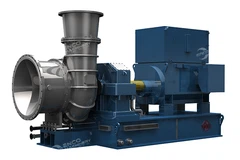
Centrifugal pumps use rotational energy to move liquid. These pumps are commonly used for water, thin liquids, and in applications requiring high flow rates. They work by spinning the liquid in a chamber, using centrifugal force to push it out.
2. Positive Displacement Pumps
Positive displacement pumps move liquid by trapping a fixed amount and forcing it through the pump's discharge. They are ideal for viscous liquids like oil, syrup, or paint, providing consistent flow and pressure.
Types of Positive Displacement Pumps
- Gear Pumps: Use gears to move liquid. Suitable for high-viscosity fluids.
- Diaphragm Pumps: Use a diaphragm to move liquid. Great for corrosive or abrasive liquids.
- Peristaltic Pumps: Use rollers to squeeze a tube, pushing liquid through. Ideal for sterile or sensitive fluids.

Viscous Liquid Pumps
Pumping viscous liquids can be challenging due to their thick nature. Viscous liquid pumps are specially designed to handle these substances without losing efficiency. Positive displacement pumps are usually preferred for viscous fluids because of their ability to maintain a steady flow despite the fluid's thickness.
Applications of Liquid Pumps
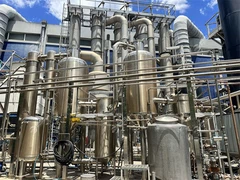
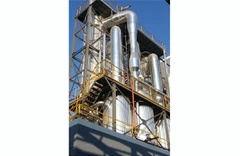
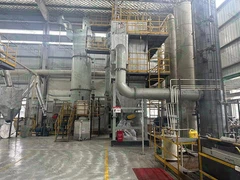
Liquid pumps play a crucial role in industrial processes such as MVR (Mechanical Vapor Recompression) evaporators and RO (Reverse Osmosis) systems, ensuring efficient fluid transfer, pressure maintenance, and energy savings. Understanding their applications from a user perspective helps businesses optimize performance while reducing operational costs.
Liquid Pumps in MVR Evaporators for Energy Efficiency
MVR evaporators rely on liquid pumps to:
✔ Circulate Concentrated Liquids – Preventing crystallization & scaling buildup.
✔ Maintain Optimal Pressure – Ensuring smooth vapor recompression and heat recovery.
✔ Reduce Energy Consumption – High-efficiency pumps minimize electricity usage compared to traditional evaporators.
User Benefit: By selecting corrosion-resistant pumps (e.g., stainless steel or ceramic-lined), industries handling aggressive fluids (chemicals, wastewater, food processing) enhance longevity and reduce downtime.
Liquid Pumps in RO Systems for Enhanced Filtration
In Reverse Osmosis (RO) systems, pumps are vital for:
✔ Boosting Water Pressure – Overcoming osmotic pressure barriers for efficient desalination/purification.
✔ Ensuring Consistent Flow – Centrifugal pumps provide steady feedwater supply, preventing membrane fouling.
✔ Lowering Operational Costs – Energy-efficient designs (e.g., variable frequency drive pumps) reduce power consumption.
User Benefit: Industries (pharmaceuticals, food & beverage, seawater desalination) benefit from tailored pump solutions, such as high-pressure multistage pumps, ensuring reliable purification with minimal maintenance.
Choosing the Right Liquid Pump
Selecting the right pump for your application is vital to ensure efficiency, reliability, and longevity. Consider the following factors:
1. Type of Liquid
Consider the viscosity, corrosiveness, and temperature of the liquid you need to pump. This will help determine the suitable pump type and materials.
2. Flow Rate
Determine the required flow rate and pressure for your application. This will influence the size and type of pump you need.
3. Environment
Consider where the pump will be used. Is it a hazardous environment? Will it be outdoors? These factors can affect the pump's design and materials.
4. Maintenance and Cost
Evaluate the maintenance needs and overall cost of the pump, including initial investment and operating expenses. Some pumps might be cheaper upfront but require more frequent maintenance.

Maintenance of Liquid Pumps
Regular maintenance is crucial to keep liquid pumps running efficiently and to extend their lifespan. Here are some maintenance tips:
- Regular Inspection: Check for leaks, unusual noises, or vibrations.
- Lubrication: Ensure moving parts are adequately lubricated.
- Cleaning: Keep the pump and its components clean, especially if used with sticky or corrosive liquids.
- Replace Worn Parts: Regularly check and replace seals, gaskets, and other wear-prone components.
Final
Liquid pumps are indispensable tools in many industries, aiding in the efficient and reliable movement of liquids. Understanding the different types of pumps and their applications can help you choose the right pump for your needs, ensuring optimal performance and longevity. Whether you're dealing with water, chemicals, or viscous liquids, there's a pump designed to handle your specific requirements.
By considering factors such as the type of liquid, flow rate, and environmental conditions, you can make an informed decision and keep your operations running smoothly. Regular maintenance will further ensure that your liquid pump remains a dependable part of your process for years to come.