








Understanding the Benefits of Plate Exchangers
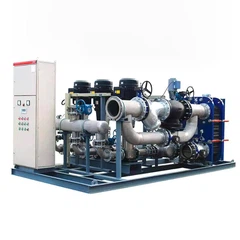
Plate exchangers are vital in many industries. They efficiently transfer heat between fluids using metal plates. This technology is known for its compact design and high efficiency.
Understanding plate exchangers can benefit engineers and facility managers. They are crucial in HVAC systems, industrial processes, and more.Their design allows for excellent heat transfer and temperature control.
These exchangers are versatile and adaptable. They can be customized to meet specific needs and handle various temperatures and pressures.Their modular nature makes them easy to maintain and expand.
Plate exchangers are also environmentally friendly. They offer energy savings and reduce greenhouse gas emissions. This makes them a sustainable choice for modern industries.
In this guide, we will explore the benefits and applications of plate exchangers. Discover how they can enhance efficiency and performance in your systems.

A plate exchanger is a sophisticated tool in thermal systems. lt uses metal plates to transfer heat between two separate fluids. This method allows for efficient and controlled heat exchange.
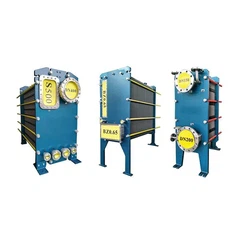
The design involves several thin metal plates arranged in a stack. These plates create a large surface area for heat transfer. The fluids flow on either side of the plates, exchanging heat without mixing.
Plate exchangers are built for both liquid-to-liquid and liquid-to-gas processes, They're versatile and efficient in various applications. The compact design is particularly beneficial in space-limited environments.
Key features of plate exchangers include.
High heat transfer efficiency
Compact and space-saving design
Flexibility and scalability in capacity
Easy maintenance and cleaning
Understanding these features highlights why plate exchangers are popular in many industries. Their adaptability and efficiency make them crucial for modern thermal management.
How Plate Heat Exchangers Work
Plate heat exchangers function through a simple yet effective mechanism. They consist of parallel plates that create channels for fluid flow. Each set of plates acts as a barrier, keeping the fluids separate.
As fluids flow across the plates, heat moves from the hotter fluid to the cooler one. This exchange occurs over the large surface area of the plates.It allows for swift and efficient heat transfer.
The plates are typically corrugated to create turbulence in the fluids. This turbulence enhances the heat transfer rate. t ensures that the fluids maintain uniform temperature throughout the process.
Key operational aspects include:
Flow Arrangement: Counterflow is most efficient.
Turbulence: Increases heat transfer efficiency.
Plate Spacing: Adjusted for pressure and flow rate needs.
Plate heat exchangers offer excellent control over temperature changes. Their design supports rapid adjustments to process requirements. This flexibility makes them suitable for diverse industries and applications. Understanding how they work highlights their role in improving thermal efficiency.
The core of a plate exchanger lies in its heat exchanger plates. These plates are designed for maximum thermal performance. Materials used are crucial for their durability and efficiency.
Stainless steel is a common choice due to its excellent thermal conductivity. t also resists corrosion, ensuring longevity. Titanium is another option for harsher environments.
These materials must withstand high temperatures and pressures. A durable material choice ensures the exchanger operates safely.lt also
extends the system's service life.
Key considerations when selecting materials include:
Corrosion Resistance:Prevents deterioration over time.
Thermal Conductivity: Facilitates efficient heat transfer.
Durability:Withstands extreme conditions without failure.
Each plate features unique patterns, enhancing turbulence. Patterns optimize heat transfer by increasing the surface area. This design element is crucial for effective thermal management. Thus, choosing the right materials and design is pivotal for optimal performance.

Types of Plate Exchangers
Plate exchangers come in various types, each designed for specific needs and conditions. These variations offer flexibility, depending on the application requirements and environmental constraints.
Gasketed Plate Exchangers are the most common. They feature plates that are sealed together with gaskets. This design allows for easy disassembly, making them ideal for applications requiring frequent cleaning or maintenance.
Brazed Plate Exchangers are another popular type. They do not use gaskets. instead, plates are fused together with a brazing material. This
design is compact and leak-proof, perfect for high-pressure settings.
Welded Plate Exchangers cater to more stringent conditions. Plates are welded together, eliminating gasket use completely. They are well.
suited for handling aggressive fluids and environments.
The key types to consider include:
Gasketed: Flexible, easy to maintain.
Brazed: Compact, high-pressure.
Welded: Durable, for harsh conditions
Each type serves unique purposes, allowing engineers to select one that best meets their specific heat transfer needs.

Plate exchangers offer several advantages over other heat exchanger designs. Their innovative structure allows for superior thermal performance and space efficiency.
One of the significant benefits is their compact size. Compared to traditional heat exchangers, plate exchangers require much less space to
operate.
These exchangers excel in energy efficiency. Their design optimizes heat transfer, leading to lower energy consumption and reduced operating costs.
They also provide excellent temperature control. The large surface area of the plates helps manage temperatures precisely, which is critical insensitive processes.
Maintenance is straightforward and cost-effective. Most plate exchangers can be easily disassembled, making cleaning and maintenance tasks manageable.
The benefits include:
Compact design:save space,
Energy Efficiency: Reduces costs
Temperature Control:Supports precise processes
Moreover, plate exchangers are highly versatile. They can be adjusted to meet varying capacity requirements by simply adding or removing plates.
Additional advantages:
Easy Maintenance: Simplifies cleaning.
Versatility: Adaptable to demands.
Durability: Long-lasting performance.
Their efficiency and adaptability make plate exchangers a preferred choice in numerous industries. With such compelling benefits, they contribute to more sustainable and efficient operations.
Common Applications Across Industries
Plate exchangers are vital in many industries due to their efficiency and versatility. They are widely used in sectors such as HVAC, food and beverage, and chemical processing.
In the HVAC industry, plate exchangers regulate temperatures in heating and cooling systems.They help maintain energy efficiency while reducing system costs.
The food and beverage industry relies on them to keep processes hygienic and efficient. Plate exchangers quickly heat or cool products maintaining quality and safety.
In chemical processing, they manage temperatures during reactions. This helps ensure processes remain controlled and effective, leading to better product outcomes.
Industries leveraging plate exchangers include:
HVAC Systems: Temperature regulation.
Food and Beverage: Hygienic heat transfer.
Chemical Processing:Controlled reactions.
Their effectiveness in diverse sectors underscores the importance of plate exchangers in industrial processes. The ability to adapt to various applications makes them indispensable tools across many fields.
Plate exchangers stand out when compared to other heat exchangers. Their design offers several advantages not always found in shell-and-tube or finned tube exchangers.
Firstly, plate exchangers are more compact. This makes them ideal for installations where space is limited. Their modular structure allows for easy expansion if capacity needs increase
Efficiency is another key advantage. The large surface area of heat exchanger plates enables superior heat transfer rates, which outpace other types.
Additionally, maintenance for plate exchangers is generally simpler. Their construction allows for easy disassembly and cleaning, unlike the more complex tasks required for shell-and-tube models.
Key differences include:
Compact Design:Space-saving installations
Superior Efficiency: Enhanced heat transfer
Simplified Maintenance: Easy cleaning and assembly
These characteristics make plate exchangers a preferred choice in many applications. They continue to be a leading solution in efficient heat transfer technologies.

Maintenance, Cleaning, and Longevity
Plate exchangers are prized for their ease of maintenance. Regular cleaning is crucial to maintaining their efficiency and longevity. The design allows for quick disassembly, facilitating swift cleaning and inspection.
Proper maintenance practices greatly extend the life of these units. Basic tasks ensure that the plates remain free of deposits and fouling. This keeps the heat exchanger functioning optimally over time.
When developing a maintenance schedule, consider key tasks such as.
Regular Disassembly: To clean and inspect plates.
Checking Gaskets: For wear and tightness.
Inspecting for Leaks: Ensuring no fluid crossover.
By adhering to these steps, users can ensure their plate exchangers provide long-lasting service. A well-maintained plate exchanger is a cost-effective asset in any thermal system.

Plate exchangers are renowned for their energy efficiency. They maximize heat transfer, which leads to reduced energy consumption in systems.
Plate exchangers are renowned for their energy efficiency. They maximize heat transfer,which leads to reduced energy consumption in systems.
This efficiency translates into substantial cost savings over time.
Beyond cost, they offer considerable environmental benefits. Less energy usage means fewer emissions, aiding in sustainability. Thus, plate exchangers play a crucial role in reducing industrial carbon footprints.
When considering environmental benefits, think about:
Lower Energy Use: Leads to lower operational costs
Reduced Emissions: Supports eco-friendly goals.
Efficient Resource Use: Minimizes waste and maximizes output.
By using plate exchangers, industries can achieve both financial and ecological gains. This makes them a smart choice for modern thermal systems striving to be greener.
Choosing the Right Plate Exchanger for Your Needs
Selecting the ideal plate exchanger requires careful consideration of various factors.Each application has unique demands that must be met for optimal performance. Understanding these nuances will help you make an informed decision.
Key considerations include:
Capacity Needs: Ensure it meets your system's flow requirements
Material Choice: Select materials that resist corrosion and wear.
Temperature Range: Check compatibility with your system's temperature.
Pressure Levels: Make sure it withstands operating pressures.
By evaluating these aspects, you can choose a plate exchanger that suits your specific requirements. Tailoring the selection process ensures efficiency and longevity in your operations.
Conclusion: The Future of Plate Exchangers
The future of plate exchangers looks promising as industries strive for greater energy efficiency. These innovative devices play a crucial role in sustainable practices. As technology advances, plate exchangers will become even more adaptable and efficient.
With their environmental benefits and cost efficiency, plate exchangers are set to lead in heat transfer technology. industries continuously seek solutions that save energy and reduce waste, ensuring these exchangers remain essential components, The potential for innovation in their design and application is immense.