


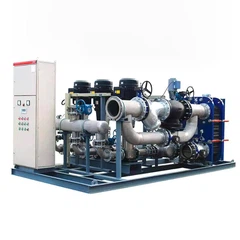
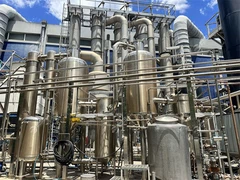

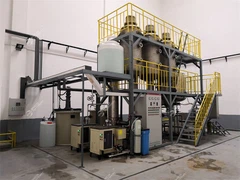








How Ultra Pure Water is Produced
In today's world, water purity is more crucial than ever. With the increasing demands of industries such as pharmaceuticals, semiconductors, and high-tech manufacturing, the need for ultra pure water is rapidly rising. This type of water is not only essential for industrial use but also plays a critical role in laboratory experiments, ensuring the accuracy and reliability of results. In this article, we will explore the various methods and processes involved in producing ultra pure water, how it differs from other types of purified water, and delve into its diverse applications across multiple sectors.
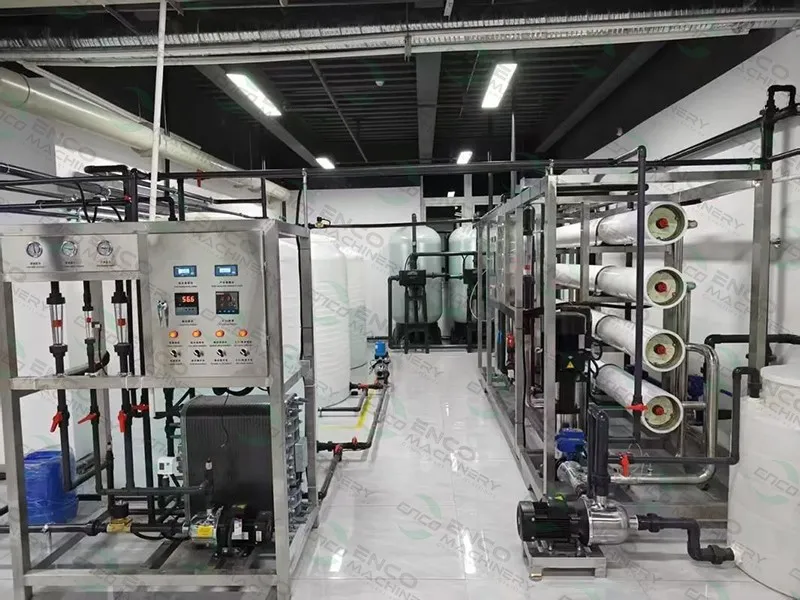
Ultra pure water is defined by its exceptional purity, having been purified to the highest possible standards. This means it is virtually free from all contaminants, including minerals, bacteria, and both organic and inorganic substances. It surpasses the cleanliness of regular drinking water, distilled water, and even purified water, making it an indispensable resource for sensitive and precise applications. Its unrivaled purity ensures that it does not introduce any variables or contaminants that could interfere with experimental outcomes or manufacturing processes.
Distilled Water vs. Purified Water vs. Ultra Pure Water
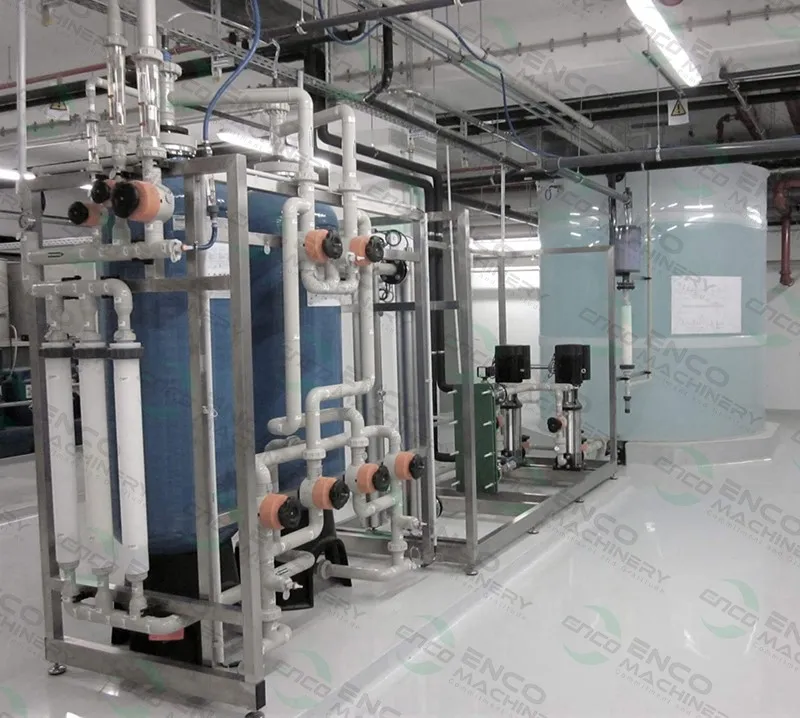
To fully grasp the concept of ultra pure water, it's important to differentiate it from distilled and purified water:
Distilled Water: This type of water is produced through the process of distillation, which involves boiling water and condensing the steam back into a liquid. While this method effectively removes many impurities, it does not eliminate all of them, leaving behind some dissolved substances that can affect high-precision applications.
Purified Water: Purified water undergoes filtration or processing to remove impurities, including chemicals and pathogens. Common methods include reverse osmosis and carbon filtration. Although it is cleaner than tap water, it does not reach the level of purity required for ultra sensitive processes.
Ultra Pure Water: This category of water takes purification to an unparalleled level by removing nearly all types of contaminants. It is meticulously processed to eliminate even the smallest impurities, making it ideal for contexts where precision is paramount, such as semiconductor manufacturing and pharmaceutical production. The extreme purity of ultra pure water is crucial in preventing contamination that could compromise the integrity of products or experiments.
The Production Process of Ultra Pure Water

The production of ultra pure water involves a series of meticulously designed steps, each targeting specific types of impurities. This comprehensive approach ensures that the final product is of the highest purity possible. Here's a detailed breakdown of the typical process:
Step 1: Pre-Treatment
The initial stage in producing ultra pure water is pre-treatment, which focuses on removing large particles and sediments from the water. Techniques such as filtration and softening are commonly employed at this stage. Filtration helps in capturing and removing debris and particulates, while softening reduces hardness by eliminating calcium and magnesium ions. Pre-treatment is vital as it prevents larger contaminants from damaging sensitive purification equipment in subsequent stages.
Step 2: Reverse Osmosis
Reverse osmosis (RO) is a cornerstone of the ultra pure water production process. During this stage, water is forced through a semi-permeable membrane, which effectively removes a significant portion of dissolved salts, bacteria, and other impurities. RO is particularly effective at reducing a wide range of contaminants to very low levels, setting the stage for further purification. The precision of this method ensures that only the purest water progresses to the next stages of treatment.
Step 3: Deionization
Deionization is a critical process that removes ionized salts from the water, further enhancing its purity. This step involves passing water through ion exchange resins, which replace unwanted ions with hydrogen and hydroxide ions, resulting in the formation of pure water. Deionization is essential for achieving ultra high purity levels, as even trace ions can affect the outcomes of sensitive applications. By eliminating these ions, the water becomes suitable for the most demanding industrial and laboratory uses.
Step 4: UV Oxidation
To ensure the elimination of any remaining organic contaminants, ultraviolet (UV) oxidation is employed. This process utilizes UV light to break down organic molecules that might still be present after reverse osmosis and deionization. UV oxidation is particularly effective in ensuring that the water is free from microbial life, which is crucial for applications where sterility and purity are non-negotiable. The use of UV light provides an additional layer of security against potential contaminants.
Step 5: Polishing
The final step in producing ultra pure water is known as polishing. This crucial phase ensures that any last traces of impurities are removed, resulting in water that meets the strictest purity standards. Polishing typically involves additional filtration and the use of ultra filters capable of removing particles as small as viruses. The meticulous attention to detail in this step guarantees that the water is of the highest quality, ready for use in even the most sensitive applications.
Applications of Ultra Pure Water

Ultra pure water finds its place in a multitude of industries, owing to its unmatched purity. Its applications are diverse, reflecting the wide-ranging importance of maintaining high purity standards:
Semiconductor Manufacturing
In the semiconductor industry, precision is paramount, and even the smallest impurity can disrupt the manufacturing process. Ultra pure water is extensively used for cleaning and rinsing wafers, ensuring that no contaminants interfere with the delicate electronics. The purity of the water is crucial in preventing defects and ensuring the reliability and performance of the final semiconductor products.
Pharmaceutical Production
Pharmaceutical companies heavily rely on ultra pure water to ensure that their products are both safe and effective. It plays a pivotal role in the formulation of drugs, cleaning of equipment, and as a solvent in chemical reactions. The stringent purity standards of ultra pure water help eliminate any risk of contamination, which is vital for maintaining the efficacy and safety of pharmaceutical products.
Laboratory Research
In laboratory settings, ultra pure water is indispensable for experiments where contaminants could skew results. It is used in a wide range of applications, from preparing solutions to cleaning lab equipment. The exceptional purity of ultra pure water ensures that experimental outcomes are reliable and reproducible, allowing researchers to draw accurate conclusions from their studies.
Power Generation
In power plants, ultra pure water is utilized in boilers and steam generation systems to prevent scaling and corrosion. These issues can lead to inefficiencies and increased maintenance, impacting the overall performance of power generation systems. By using ultra pure water, power plants can maintain optimal operation and reduce the risk of costly repairs and downtime.
The Importance of Quality Control
Producing ultra pure water requires rigorous quality control measures to ensure that the water consistently meets the required standards for specific applications. Regular testing and monitoring of the purification processes are essential to maintain the quality and consistency of ultra pure water. Implementing stringent quality control protocols helps detect and address any deviations in the purification process, ensuring that the final product remains within the desired purity parameters.
Conclusion
Ultra pure water is a vital resource in many modern industries, playing a critical role in ensuring the integrity and success of various applications. Its production involves a comprehensive, multi-step purification process that removes all types of impurities, resulting in water of unparalleled purity. Whether it is used in the manufacture of semiconductors, pharmaceuticals, or for laboratory research, the importance of maintaining high purity standards cannot be overstated. Understanding how ultra pure water is produced not only highlights the complexities involved but also underscores the significance of this resource in critical applications.
By being aware of the differences and production processes, businesses and researchers can make informed decisions when selecting the right type of water for their needs. As technology advances and the demand for ultra pure water increases, continuous improvements in purification technology will ensure that the highest standards of water purity are consistently met, paving the way for innovation and progress across various industries.