












Is Distilled Water Safe for Drinking?
Distilled water is a topic of interest for many health-conscious individuals. It is often associated with purity and cleanliness. But is it safe for drinking?
This article explores the safety of distilled water. We will discuss its benefits and uses. We will also address whether it is sterile.
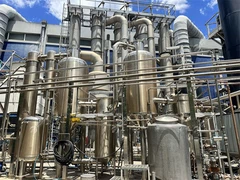
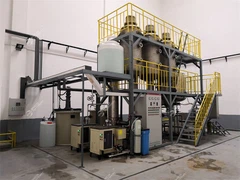
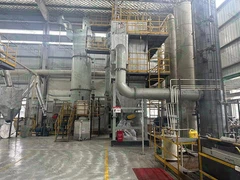
Distilled water is created through a process of boiling and condensation. This removes impurities and minerals. It is often used in labs and medical settings.
Some people wonder if distilled water is sterile. It is sterile right after distillation. However, improper storage can lead to contamination.
Drinking distilled water is generally safe. But it lacks minerals found in other water types. This can affect taste and nutritional value.
We will also explore the potential risks of drinking distilled water. Understanding these factors can help you make informed choices.
Join us as we dive into the world of distilled water. Discover if it is the right choice for you.

What Is Distilled Water?
Distilled water is a type of purified water. It is made by boiling water and capturing the steam. This process leaves impurities and minerals behind. The steam is then condensed back into water.
The result is a very pure form of water. It is free from contaminants and minerals. People often choose distilled water for its purity.
Here are some key characteristics of distilled water:
- Lacks minerals like calcium and magnesium.
- Tasteless due to the removal of minerals.
- Often used in laboratories and medical facilities.

Distilled water serves various functions. Its purity makes it suitable for many applications. It is frequently used in scientific experiments and medical settings.
The absence of minerals can alter the taste. Some people may find it flat or bland. Despite this, its purity is often seen as a significant advantage. This makes it an appealing choice for specific uses.
How Is Distilled Water Made?
The process of making distilled water involves boiling and condensing. Water is first heated to its boiling point. This process transforms it into steam.
Once the water becomes steam, it rises. The impurities and minerals are unable to evaporate. Therefore, they remain in the boiling container.
Here's how the distillation process typically works:
- Boil water: Heat water until it becomes steam.
- Capture steam: Use a condenser to cool the steam back to water.
- Collect distilled water: The liquid is pure and mineral-free.
This method produces very pure water. No minerals or impurities should remain. Many find it a highly effective purification technique.
However, distillation requires energy. It can be more resource-intensive than other purification methods. Yet, the resulting purity is unmatched.
Distillation can be performed at home. With proper equipment, one can produce distilled water themselves. It's a fascinating process that yields high purity.
Is Distilled Water Sterile?
Distilled water gains a reputation for purity. But is distilled water sterile? The answer is nuanced.
Sterility involves the complete absence of living microorganisms. Distillation kills most bacteria and viruses. Thus, freshly distilled water is essentially sterile.
However, this sterility is temporary. Once the water cools, it can become contaminated. Handling or poor storage exposes it to bacteria.
To maintain distilled water's purity, it's critical to store it correctly. Ensure containers are clean and sealed tightly. Also, use distilled water within a reasonable time frame.
Here's how you can keep distilled water sterile:
- Use clean containers: Choose sterilized glass or plastics.
- Store in cool, dark places: Light and heat encourage bacterial growth.
- Seal tightly after use: Prevent exposure to air and contaminants.

Even if not perfectly sterile, distilled water remains pure. It's often cleaner than tap or filtered water. The lack of minerals also limits contamination points.
In essence, while not entirely free from all microbes indefinitely, with proper precautions, distilled water can be maintained close to sterile conditions for extended periods.
Distilled Water vs. Sterile Water: Key Differences
Distilled water and sterile water are often confused. They are not identical, despite their similarities.
Distilled water undergoes vaporization. It removes impurities, minerals, and most microbes. This process does not guarantee permanent sterility.
Sterile water, on the other hand, is specifically treated to ensure it's free from all microorganisms. This includes bacteria, viruses, and spores.
While distilled water focuses on purity through mineral removal, sterile water prioritizes microbial safety. Both serve different purposes.
Here's a breakdown of their differences:
- Process: Distillation vs. sterilization
- Use: Purity vs. microbiological safety
- Application: Appliances and labs vs. medical settings

Sterile water is commonly used in medical procedures. Its lack of living organisms makes it ideal for injections and IVs.
Distilled water, with its mineral-free status, is popular in household and industrial applications. It avoids mineral buildup and is often used in devices.
Understanding the distinction helps choose the right type for your needs. Always opt for sterile water in critical health applications. Distilled water suits situations where mineral purity is paramount.
Is Distilled Water Safe to Drink?
Drinking distilled water is generally considered safe for most people. However, it lacks the minerals found in typical drinking water.
These minerals, like calcium and magnesium, are essential for good health. Their absence might affect nutrient intake over time.
Some people find the taste of distilled water bland. This is due to the lack of dissolved minerals giving water its flavor.
Potential drawbacks include:
- Mineral deficiency: Can occur if distilled water is the sole water source
- Bland taste: May be less appealing to some
- Electrolyte imbalance: Possible if consumed in very large amounts

Despite these concerns, distilled water benefits those with specific dietary needs. Individuals requiring low mineral intake might find it beneficial.
It's crucial, though, to ensure a balanced intake of minerals from food. This helps prevent any deficiencies when relying on distilled water regularly.
In conclusion, while safe, distilled water may not be ideal as the only drinking water source long-term. It's important to weigh personal needs and health conditions before relying solely on it.
Distilled Water Benefits
Distilled water holds several benefits, making it popular for varied uses. Its purity is its primary appeal to many.
Being free from contaminants, it is often used in medical and laboratory settings. It aids in ensuring accurate results and safety.
Another benefit is its role in appliance maintenance. Using distilled water prevents mineral buildup in appliances like steam irons and humidifiers.
For those with specific health issues, distilled water offers a way to manage mineral intake. Conditions that require low sodium can benefit from its use.
Here's a quick list of distilled water benefits:
- Purity: Free from impurities and contaminants
- Appliance-friendly: Prevents scale buildup
- Controlled mineral intake: Helpful for specific health conditions

Athletes sometimes prefer it to avoid minerals that can affect hydration. Distilled water can complement a balanced diet by ensuring only necessary nutrients are consumed. When used sensibly, distilled water can be a valuable addition to daily routines without adverse effects.
Potential Risks and Drawbacks of Drinking Distilled Water
Though distilled water offers benefits, it has potential drawbacks, particularly when consumed exclusively over time. Its lack of minerals is a major concern.
Our bodies need minerals, like calcium and magnesium, for health. Drinking only distilled water might lead to deficiencies.
Another issue is the taste. Many find distilled water's taste flat or bland, which can be unappealing.
Some potential risks of drinking distilled water include:
- Mineral deficiency: Lack of essential nutrients
- Taste issues: Bland flavor compared to mineral water
- Potential health impacts: Possible imbalance over long-term use

It's crucial for those relying on distilled water to ensure they get minerals from other sources. This can be achieved through a balanced diet rich in fruits, vegetables, and other nutrient-heavy foods. Awareness and moderation can help mitigate these drawbacks effectively.
Common Distilled Water Uses Beyond Drinking
Distilled water serves numerous purposes beyond just quenching thirst. Its purity makes it ideal for a wide range of applications.
One popular use is in household appliances. Many people use distilled water in steam irons and humidifiers to prevent mineral buildup, extending the life of these devices.
In the automotive industry, distilled water is used in cooling systems and lead-acid batteries. Its mineral-free nature prevents scaling and corrosion, which can damage equipment over time.
Other uses include:
- Laboratory work: Essential for experiments requiring pure water
- Aquariums: Helps create a controlled environment for aquatic life
- Skincare routines: Avoids impurities that may irritate skin
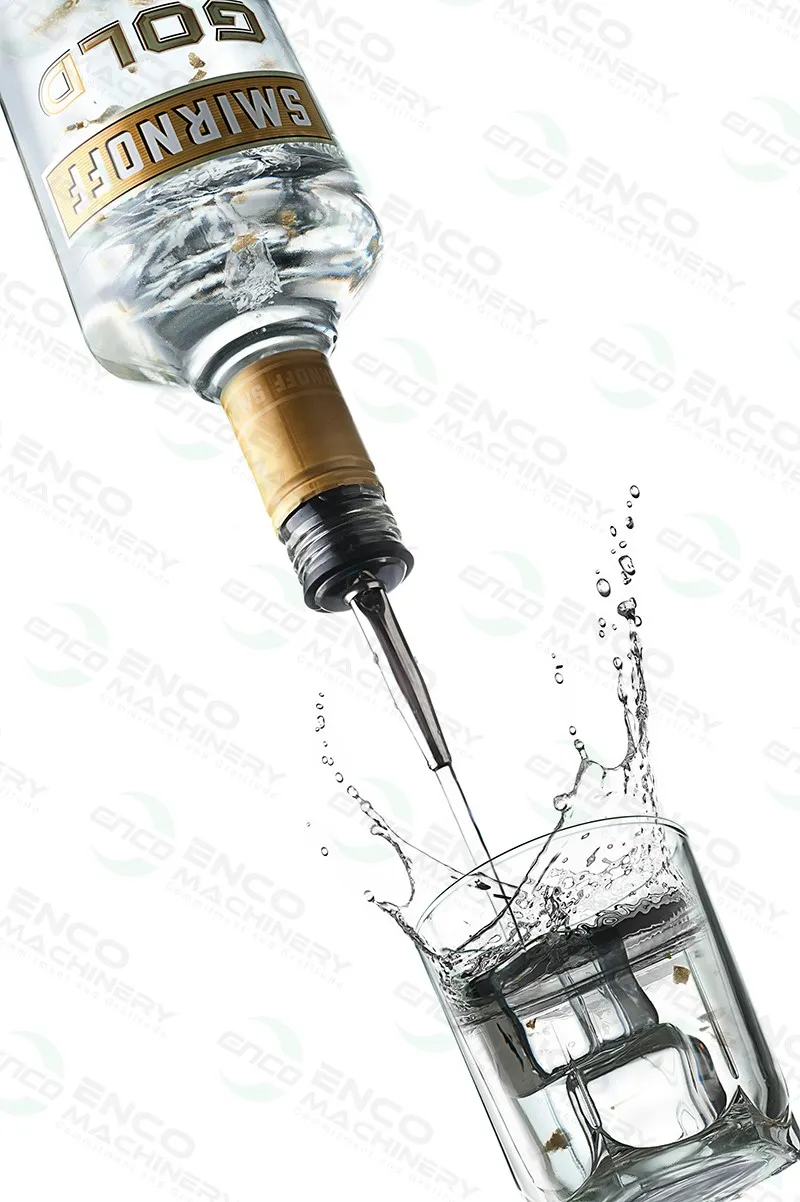
Additionally, distilled water is often used in cleaning sensitive equipment and surfaces. It leaves no mineral residue, ensuring a spotless finish. Another application is in the creation of clear ice cubes, as the absence of minerals prevents cloudiness. All these uses highlight the versatility and benefits that distilled water offers beyond drinking.
How to Store and Handle Distilled Water Safely
Proper storage of distilled water ensures it remains pure and safe. Although it's sterile post-distillation, it can still be contaminated.
It is vital to use clean, sealed containers for storing distilled water. This prevents environmental contaminants from entering and keeps it fresh.
Some key tips include:
- Keep containers sealed tightly
- Store in a cool, dark place
- Avoid contact with hands or other surfaces
Using food-grade plastic or glass containers is recommended. They are less likely to leach unwanted substances into the water. Always ensure the containers are free from residues before use. With careful handling, distilled water can maintain its intended purity, whether for drinking or other uses.
Who Should (and Shouldn't) Drink Distilled Water?
Distilled water can benefit certain people, especially those with specific health needs. Its lack of minerals means it's free of impurities that may affect some individuals.
However, not everyone will benefit from distilled water. It is crucial for some groups to avoid it due to its mineral-free nature.
Those who might consider drinking distilled water include:
- People with kidney issues
- Those on a strict low-sodium diet
- Individuals with mineral sensitivities
Conversely, infants and young children should not consume it as their growing bodies need minerals. Adults who get their mineral intake from food might find it suitable, but it should not be the only water source. It's wise for anyone considering a change to consult health professionals first.
Frequently Asked Questions About Distilled Water
Many people have questions about the use and safety of distilled water. Here, we address some common inquiries to clarify any doubts.
Is distilled water safe for infants? It is generally not recommended for infants due to their need for minerals. They require these essential nutrients for healthy development.
Does distilled water taste different? Yes, it does. Many describe its taste as bland since it lacks the minerals that give other waters their flavor.
Can distilled water be used for cooking? Yes, using it can enhance the purity of the dishes you prepare. It avoids the introduction of impurities found in other water types.
List of common questions about distilled water:
- Is it safe for babies?
- What does it taste like?
- Can I cook with it?
Conclusion: Should You Drink Distilled Water?
Drinking distilled water can be safe for most people. It is important to consider your dietary needs and preferences.
While it offers purity and lacks contaminants, it also lacks beneficial minerals. These minerals contribute to taste and are essential for long-term health.
For some, the benefits of avoiding impurities outweigh the absence of minerals. If you enjoy the taste and balance your diet elsewhere, distilled water might be a good choice. Always consult with a health professional if you have specific concerns or conditions.