


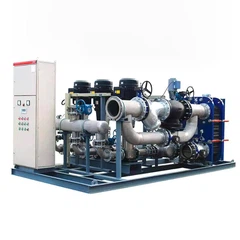
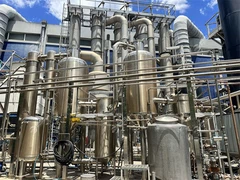
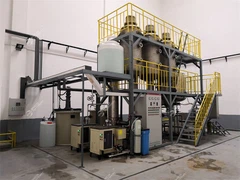






Applications of Deionized Water system in Industry

Deionized water is a key player in many industries. It is water stripped of its mineral ions, making it highly pure.
This purity is crucial for sectors like pharmaceuticals, electronics, and food production. Each of these industries relies on deionized water systems to maintain high standards.
In pharmaceuticals, deionized water is used for drug formulation and equipment cleaning. Electronics manufacturers use it to rinse components, preventing mineral deposits.
Food and beverage producers ensure product consistency and quality with deionized water. Its applications are vast and varied.
Understanding these applications highlights the importance of deionized water systems in modern industry.
What is Deionized Water?
Deionized water is water that has had all its mineral ions removed. This includes cations like sodium and calcium. Anions such as chloride and sulfate are also eliminated.
Removing these ions is crucial for achieving high purity. Deionized water is often considered a form of purified water due to its low conductivity. The purity level is critical for many scientific and industrial processes.
The process of deionization involves several stages:
- Ion exchange
- Reverse osmosis
- Electrodeionization
These processes work together to ensure the highest level of purity.

This highly pure water is essential in applications where contaminants cannot be tolerated.
How Deionized Water Systems Work
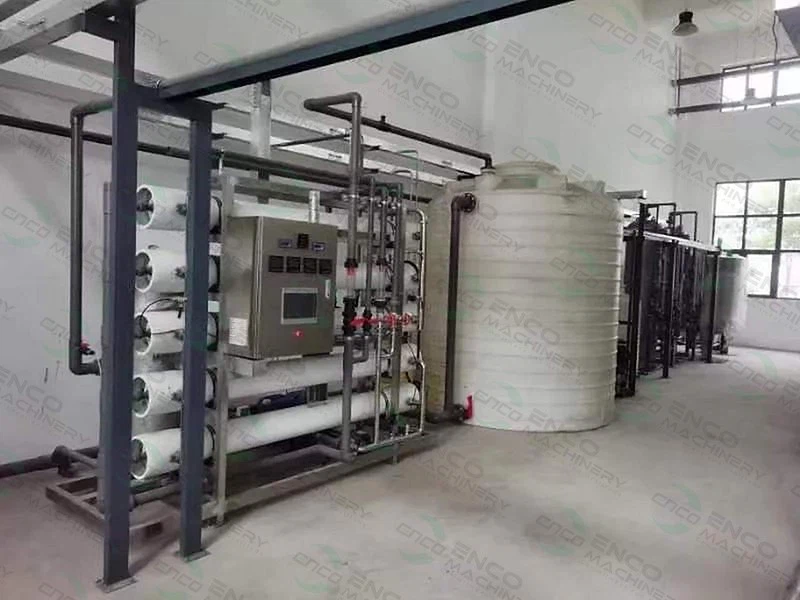
Deionized water systems are intricate yet efficient. They involve several stages to ensure water purity. Ion exchange is a key component, removing unwanted ions.
These systems often begin with reverse osmosis. This process filters out large impurities, giving a head start in purification. Following that, the ion exchange takes place.
A typical deionized water system includes:
- Reverse osmosis pre-filtration
- Cation exchange resin
- Anion exchange resin
- Mixed bed resin polishing
Finally, some systems may use electrodeionization. This step maintains continuous purity levels. Together, these methods achieve water as free from ions as possible. This ensures the water meets industrial standards for high-purity applications.
Key Industrial Applications of Deionized Water
Deionized water is indispensable across various industries. Its high purity makes it essential in processes demanding strict quality control.
Industries employing deionized water systems include:
- Pharmaceuticals
- Electronics
- Food and Beverage
- Laboratories
- Automotive
Each sector relies on water purity to ensure product quality and efficiency. The absence of minerals in deionized water prevents contamination and interference. This universal application highlights its importance in modern industry. Understanding these applications helps in optimizing processes while maintaining high standards.
Pharmaceutical Industry
In pharmaceuticals, deionized water plays a pivotal role. It's crucial for drug formulation and equipment cleaning. The industry demands high purity to prevent contamination.
Pharmaceutical uses of deionized water:
- Drug formulation solvent
- Equipment cleaning agent
- Laboratory solvent
Deionized water ensures safe and effective drug production. Its purity supports the integrity of pharmaceutical products. Additionally, it reduces the risk of adverse reactions caused by impurities. The reliability of deionized water systems is vital for maintaining stringent industry standards.
Electronics and Semiconductor Manufacturing
The electronics industry depends heavily on deionized water. It ensures precision and cleanliness in component manufacturing. Mineral-free water is vital to prevent equipment damage.
In electronics, deionized water is used for:
- Rinsing components
- Circuit board cleaning
- Manufacturing semiconductors
Without deionized water, electronic components can short circuit. Purified water keeps sensitive systems free from deposits. Consequently, it plays a critical role in product reliability and functionality. Moreover, using deionized water enhances production efficiency.
Food and Beverage Production
The food and beverage industry also utilizes deionized water. It is essential for maintaining product consistency and safety. The absence of minerals aids in preventing unwanted flavors.
In food and beverage production, deionized water is used for:
- Ingredient consistency
- Equipment sanitation
- Production water supply
By using deionized water, manufacturers ensure high-quality products. It prevents microbial growth and contamination. The purity of the water is crucial for consumer safety. Additionally, it helps maintain the intended taste of products without interference from minerals.
Laboratories and Research Facilities
Laboratories rely on deionized water for precise experiments. Its high purity level is crucial for accurate results.
Applications in laboratories include:
- Sample preparation
- Reagent production
- Cleaning laboratory glassware
Deionized water prevents skewed experiment results. It maintains consistency in scientific research. Laboratories benefit from the high purity that ensures precision and reliability.
Automotive and Battery Manufacturing
Deionized water is vital in the automotive industry. It plays a key role in battery production and cooling systems.
In automotive applications, deionized water is used for:
- Battery electrolyte filling
- Engine cooling systems
Using deionized water prevents mineral buildup in systems. It extends the life of automotive components. This ensures optimal performance and reduces maintenance needs.
Benefits of Using Deionized Water in Industry
Deionized water systems offer numerous advantages across industries. Their ability to reduce impurities elevates product quality and operational efficiency. By using deionized water, industries can enhance equipment longevity and lower maintenance costs.
Key benefits include:
- Improved product consistency
- Prevention of mineral buildup
- Protection against corrosion
Furthermore, these systems support stringent industry standards. Their implementation aids in meeting both regulatory and quality demands. Deionized water facilitates the production of high-quality goods, contributing to overall industry success.
Maintenance and Quality Control of Deionized Water Systems
Regular upkeep is vital for deionized water systems. Proper maintenance ensures the removal of impurities consistently. Without it, system efficiency can decline, compromising water purity.
Quality control involves several critical steps:
- Regular monitoring of conductivity levels
- Scheduled filter replacements
- Inspection of system components
These steps are essential for maintaining system performance. With careful maintenance, deionized water systems can deliver optimal results, aligning with industry requirements.
Environmental and Economic Considerations
Deionized water systems can be energy-intensive, impacting both the environment and operational costs. Implementing energy-efficient technologies can mitigate these effects.
Considerations for optimizing both environmental and economic impacts include:
- Using renewable energy sources
- Recycling water within the system
- Minimizing chemical use
Prioritizing these practices can lead to significant savings and reduced environmental footprints. Companies should strive for a balance between efficiency and sustainability to achieve optimal outcomes.
Conclusion
Deionized water systems play a crucial role in various industries by ensuring high water purity. This purity is essential for maintaining product quality and adhering to regulatory standards.
By investing in deionized water systems, industries can enhance operational efficiency and product consistency. The integration of these systems supports sustainable practices and can lead to economic savings over time.