


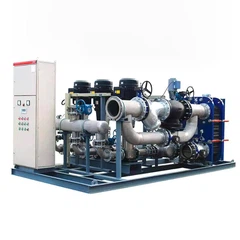
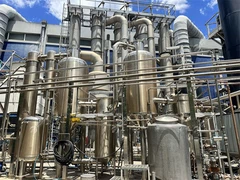
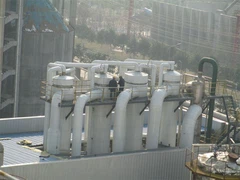
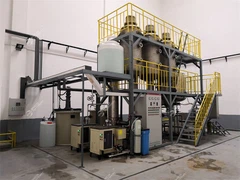







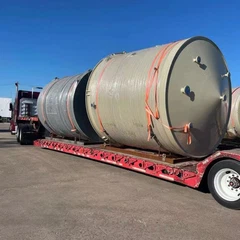

Desalination is a vital process for converting seawater into fresh water. It addresses water scarcity in many regions.
Three primary methods dominate this field: multi effect distillation,reverse osmosis, and electrodialysis. Each method has unique advantages and applications.
Multi effect desalination, a type of thermal desalination, is known for its efficiency. It is often used in large-scale projects.
Reverse osmosis is popular for its lower energy use, Electrodialysis is effective for brackish water.
Understanding these methods is crucial for sustainable water solutions. Let's explore each in detail.
Desalination technology transforms saltwater into potable water. This is crucial in arid regions. It offers a reliable water supply.
There are several methods, each with its distinct benefits. These methods cater to different water sources and salinity levels.
Key considerations for these technologies include energy consumption, efficiency, and environmental impact. Here are the main methods:
Multi Effect Distillation (MED)
Reverse Osmosis (RO)
Electrodialysis
Desalination plays a vital role in water management strategies worldwide.

Method 1: Multi Effect Distillation(MED)
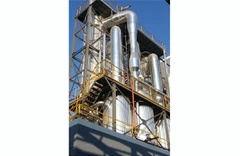
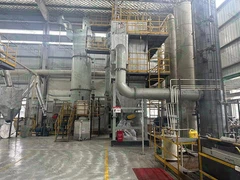
Multi Effect Distillation (MED) is a thermal process. it purifies water through a sequence of evaporation and condensation stages. This method is energy-efficient and ideal for large-scale projects.
In MED, water is heated, creating steam which condenses into fresh water.This process occurs in multiple stages, each using the heat from the previous one. The efficiency comes from reusing heat within the system.
The technology is suitable for seawater and high-salinity sources. MED often works alongside other methods for optimal results. t is particularly effective where energy costs are high.
- Suitable for high-salinity areas
- Works with other methods
- Efficient in high-energy cost regions
As desalination needs grow, MED remains a critical technology.It's often integrated with renewable energy sources, enhancing sustainability.
How Multi Effect Desalination Works
MED works by utilizing sequential evaporation and condensation. Water passes through multiple stages, each using steam from the previous stage.
Each stage's pressure lowers, allowing water to boil at lower temperatures. This reduces energy need, making MED efficient. Through this method, heat is reused effectively.
The process is robust and reliable, consistently producing fresh water
Advantages and Applications of Multi Effect Desalination
MED offers numerous benefits. Its energy efficiency and high water recovery rate are noteworthy. It's also adaptable to varied operational conditions.
- High efficiency and recovery rate
- Robust in different conditions
Applications range from industrial to municipal water supplies. MED provides high-purity water needed in many areas. Its versatility makes it a preferred choice in complex desalination projects.

Method 2:Reverse Osmosis (RO)
Reverse Osmosis (RO) is a prominent desalination technology.t utilizes a semi-permeable membrane to filter out salt and impurities from water .This method is efficient and widely adopted due to its effectiveness
RO systems are popular in various sectors,from domestic to industrial.They cater to diverse needs like drinking water purification and industrial processes requiring clean water. The process's simplicity and energy efficiency boost its appeal.
RO provides a sustainable solution by consuming less energy than thermal methods. Consequently, it supports global efforts toward eco-friendly desalination.RO technology continues to adapt and improve, ensuring its relevance and usability.
- Effective for various needs
- Energy-efficient option
- Adaptable and improving
How Reverse Osmosis Works
The process of Reverse Osmosis relies on pressure. This force pushes water through a semi-permeable membrane.
Unwanted molecules are trapped, allowing only clean water to pass. RO is precise, producing high-quality fresh water consistently.
Advantages and Applications of Reverse Osmosis
RO systems are beneficial due to their versatility and efficiency. They provide clean water for domestic, commercial, and industrial purposes.
- Versatile and efficient
- Suitable for various applications
RO 's effectiveness at a lower energy cost makes it widely used globally. Its ability to deliver quality results positions it as a favred choice in desalination projects.
Method 3:Electrodialysis
Electrodialysis is an innovative desalination method using an electric field to purify water. It involves ion-exchange membranes that allow selective movement of ions.
Electrodialysis is especially efficient for treating brackish water with lower salinity.
This method is less energy-intensive than thermal desalination techniques. Electrodialysis offers flexibility to adjust processes based on water quality needs. This adaptability enhances its practicality in various settings.
As a key desalination technology, electrodialysis continues to evolve. Its use in reducing environmental impact is crucial,as energy efficiency becomes increasingly important.
- Efficient for brackish water
- Adaptable to various water qualities
- Environmentally friendly
How Electrodialysis Works
In electrodialysis, an electric field dives ions through special membranes. These membranes selectively allow ions to pass, leaving fresh water.This separation effectively desalinates the water.
Advantages and Applications of Electrodialysis
Electrodialysis is recognized for its adaptability and efficiency. lt is particularly effective for water with lower salinity levels.
- Adaptable and efficient
- Ideal for lower salinity levels
Applications include providing fresh water for agriculture and industries.Its lower energy demands make it cost-effective, supporting sustainable water management strategies.
Comparing the Three Desalination Methods
When comparing desalination methods, understanding their unique features is essential. Multi Effect Distillation (MED) excels in large-scale operations. It is energy efficient and has high water recovery rates.
Reverse Osmosis (RO) is versatile and effective for diverse applications. It uses lower energy compared to thermal methods, making it cost-efficient. RO is widely adopted due to its robust performance.
Electrodialysis is best for brackish water with lower salinity.Its adaptability to different quality requirements adds value. Each method offers distinct advantages indifferent scenarios.
- MED: Large-scale efficiency
- RO: Lower energy usage
- Electrodialysis: Adaptability for varied needs
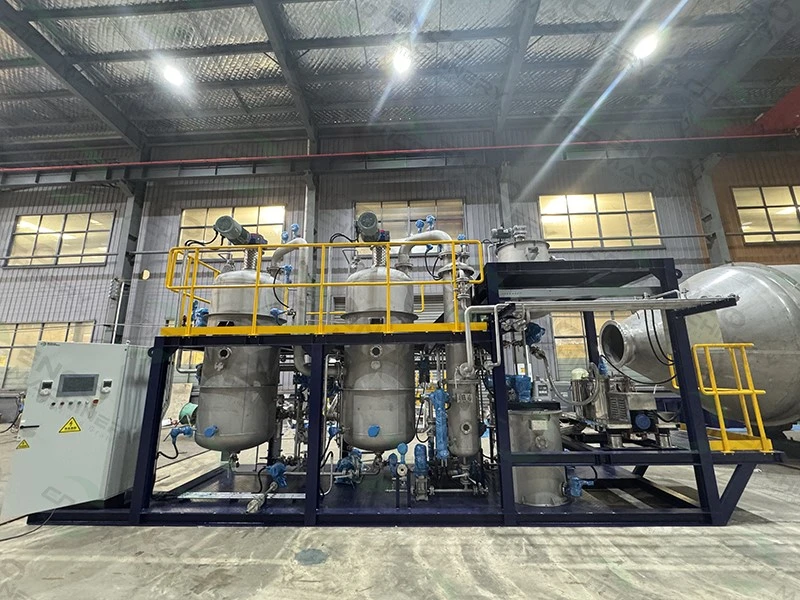
The Future of Desalination Technology
The future of desalination technology is promising and dynamic. Innovations focus on reducing costs and environmental impacts. Researchers are developing advanced materials and processes to enhance efficiency.
Integrating renewable energy with desalination systems is a crowing trend. This aims to make water production more sustainable. As climate challenges evolve desalination technology continues to adapt and improve.
Conclusion
Desalination offers crucial solutions for water scarcity.With methods like multi effect distillation, we advance towards sustainable water purification. Innovation will drive future progress in this vital field.