












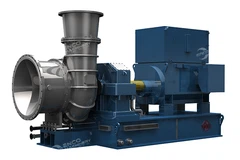

Why Desalination System for Sea Water Is Essential for Freshwater Supply?
Water scarcity is a growing global concern. As populations rise, the demand for freshwater increases. Climate change exacerbates this issue, leading to more frequent droughts.
Desalination systems offer a solution. They convert seawater into drinkable water. This process is vital for regions with limited freshwater resources.
The desalination process involves removing salt and impurities from seawater. This makes it safe for human consumption. Reverse osmosis is the most common method used.
Desalination systems are crucial in arid regions. They provide a reliable water supply, independent of weather conditions. This is essential for sustaining life and economic activities.
Technological advancements are making desalination more efficient. Energy consumption, a major concern, is being reduced. Innovations continue to improve the process.
Environmental impacts of desalination are being addressed. Brine disposal, a byproduct, is a key focus. Solutions are being developed to minimize harm.
Desalination supports agriculture and industry. It ensures water availability for various needs. This contributes to economic stability and growth.
Public-private partnerships play a role in desalination projects. They provide funding and development support. This collaboration is vital for success.
Desalination is part of a broader water management strategy. It complements other methods to ensure a sustainable supply. This integrated approach is crucial.
The future of desalination is promising. As technology advances, costs decrease. This makes desalination more accessible and sustainable.
Desalination is essential for a sustainable water future. It addresses freshwater scarcity and supports global water security.

The Global Freshwater Crisis: Understanding the Need
Freshwater scarcity is a pressing issue worldwide. Population growth drives up demand while climate change reduces supply. This imbalance poses significant challenges for many regions.
Several factors contribute to the crisis. Increased urbanization strains existing water resources. Industrial activities further deplete and pollute freshwater supplies.
Agriculture consumes a vast amount of freshwater. Irrigation demands continue to rise as food production must meet population needs. This leaves less water for other uses.
Climate change aggravates the problem through unpredictable weather patterns. Droughts are more frequent, reducing the availability of fresh water. This unpredictability complicates water management efforts.
Regions like the Middle East and North Africa suffer greatly from water shortages. These areas rely heavily on imported water or expensive desalination. The demand outpaces supply, creating a water crisis.
Key Contributing Factors to Freshwater Scarcity:
- Climate change causing altered rainfall patterns
- Increased consumption due to population growth
- Pollution of freshwater sources
- Over-extraction of groundwater resources
- Inefficient water use practices
Political conflicts also escalate water scarcity issues. Disputes over shared water resources increase tension among countries. These situations complicate the equitable distribution of water.
The freshwater crisis impacts more than just water availability. It threatens food security, health, and economic stability. A lack of clean water for agriculture affects crop yields and food supply.
Public awareness and cooperation are crucial for addressing this crisis. Collaborative international efforts can foster sustainable water management strategies. Educating communities about efficient water use is essential.
In conclusion, as this crisis escalates, innovative solutions become necessary. Desalination systems for sea water play a crucial role in addressing water scarcity. They offer a sustainable source of potable water where traditional resources fall short.
What Is a Desalination System for Sea Water?
A desalination system for sea water transforms saltwater into potable water. This process removes salts and impurities, ensuring safe consumption. The technology has evolved to meet growing water demands.
Desalination plants are essential for regions lacking freshwater sources. They offer a sustainable solution, providing a constant water supply. Importantly, these systems operate independently of weather patterns.
Several methods exist to desalinate seawater, each with unique advantages. The most common approach is reverse osmosis. It effectively separates salt from water using special membranes.
Other techniques include:
- Distillation: Boiling water and collecting the vapor
- Electrodialysis: Using electric currents to remove salt ions
- Membrane Distillation: Employing membranes and heat for separation
Energy consumption is a considerable factor in desalination. Traditional methods require significant power, raising operational costs. However, technological advances are reducing energy usage.
Despite challenges, desalination remains vital for arid regions. The Middle East, for instance, heavily relies on desalination to meet urban and agricultural needs. Here, these systems mitigate the effects of scarce rainfall.
Economic and environmental factors drive innovation in desalination technologies. Companies aim to enhance efficiency and minimize environmental impact. Brine disposal, a byproduct, presents ecological concerns.
Public acceptance of desalination projects depends on education and awareness. Informing communities about benefits and potential impacts is key. It builds support for investment and development.
In summary, desalination systems for sea water address critical water shortages. They provide an essential alternative to conventional sources. By continuing to innovate, these systems hold promise for a sustainable water future.
The Desalination Process: How Sea Water Becomes Freshwater
Converting sea water into freshwater involves a series of steps. The desalination process ensures water purity and safety. Understanding each stage highlights why this technology is essential.
The journey begins with intake, where sea water enters the system. During intake, it's crucial to minimize marine life disruption. Filters prevent debris and organisms from entering the facility.
Next, pre-treatment cleanses the water of larger impurities. Chemicals might be added to prevent fouling in the system. This stage ensures a smoother reverse osmosis process.
The core of desalination lies in salt removal. Reverse osmosis forces water through semi-permeable membranes. These membranes allow water molecules to pass but block salts and minerals.
There are several advantages to reverse osmosis:
- Removes over 99% of dissolved salts
- Effective against bacteria and pathogens
- Energy-efficient compared to other methods
Post-treatment adjusts the water to meet quality standards. Minerals are often reintroduced for taste and health. This stage ensures the water is suitable for consumption.
The final step involves storage and distribution. Desalinated water gets pumped to reservoirs or directly into a distribution network. This ensures a constant supply to communities and industries.
Brine disposal is a challenge in the desalination process. It involves managing the concentrated salt solution left behind. New techniques aim to minimize environmental harm during disposal.
Key benefits of the desalination process include:
- Providing a reliable water source in drought-prone areas
- Independence from rainfall fluctuations
- Catering to rising global water demands
With ongoing innovation, the desalination process continues to evolve. Technologies improve efficiency and reduce costs. These advancements are crucial as freshwater scarcity becomes a global concern.
By understanding each component, we see why desalination is vital for today's water needs. This technology supports both urban and rural communities, ensuring access to safe water.
Reverse Osmosis and Other Desalination Technologies
Reverse osmosis (RO) is the leading desalination technology. It uses pressure to separate salt from water, producing clean water. This method's popularity stems from its efficiency and effectiveness.
RO's straightforward design involves high-pressure pumps. Water passes through a series of membranes that trap contaminants. This results in a substantial reduction of salt content.
Other desalination technologies complement reverse osmosis. Each offers unique advantages in specific contexts. Exploring these options reveals the diversity in desalination solutions.
- Thermal Desalination: Utilizes heat to evaporate and condense water, mimicking natural cycles. This is beneficial in energy-abundant regions.
- Electrodialysis: Separates salt ions using electric fields. It suits areas with lower salt concentrations.
- Membrane Distillation: Combines heat and membrane filtration, beneficial in geothermal settings.
Energy considerations play a critical role in selecting technologies. While RO is more energy-efficient, thermal methods can harness waste heat. This offsets some energy costs, improving overall efficiency.
RO systems are highly scalable, catering to small communities or large cities. Their adaptability makes them favorable in varying geographic conditions. It's crucial for designing systems tailored to regional needs.
Challenges with reverse osmosis include membrane fouling. This occurs when particles clog the membrane, reducing efficiency. Regular maintenance and pre-treatment can mitigate these issues.
Despite these challenges, the ongoing refinement of reverse osmosis continues. Advances in membrane technology enhance performance and reduce costs. These improvements ensure RO remains at the forefront of desalination solutions.
In summary, reverse osmosis, alongside other technologies, offers robust solutions to water scarcity. Through efficient systems, these methods ensure access to clean water, vital for sustaining life and supporting growth.

Water Purification: The Role of Desalination in Clean Water Supply
Desalination plays a crucial role in the global water purification process. It transforms salty sea water into safe, drinkable water. This is essential for regions facing freshwater scarcity.
Purifying water through desalination involves removing dissolved salts and impurities. This ensures the water is clean and safe for consumption. The technology employed also targets pollutants and pathogens.
Desalination systems offer several benefits in the purification process:
- Removal of harmful bacteria and viruses
- Elimination of heavy metals and contaminants
- Provision of consistent water quality
Seawater desalination helps mitigate the effects of water pollution. By producing clean water, it reduces reliance on polluted freshwater sources. This is especially important in densely populated urban centers.
Technological advancements continue to enhance desalination's role in water purification. Membrane technology, for instance, is evolving to target smaller impurities. These innovations contribute to more efficient water treatment.
Desalination also complements existing water treatment systems. Blending desalinated water with naturally sourced water can balance mineral content. This integration improves the taste and nutritional value of the water supply.
Expanding desalination technology in developing regions addresses critical water shortages. These systems serve as a reliable source when traditional water supplies falter. In many cases, they provide a lifeline during prolonged dry periods.
By ensuring a steady supply of clean water, desalination supports public health. Access to purified water reduces disease risk, improving life quality. As global challenges persist, desalination remains a cornerstone in the clean water supply effort.
Desalination systems are a key factor in achieving sustainable water management. They not only provide immediate solutions but also support long-term goals. Through comprehensive water purification, these systems play a vital role in meeting the growing demand for safe, accessible water worldwide.
Key Benefits of Desalination Systems for Sea Water
Desalination systems offer several vital benefits. They primarily provide a consistent and reliable freshwater supply. This is crucial as natural water sources face increasing pressure.
By converting seawater into potable water, these systems alleviate freshwater shortages. This process is critical in arid regions and island nations. It supports both domestic and industrial needs.
Desalination technology helps reduce dependence on over-exploited water sources. By tapping into the vast ocean resources, pressure on lakes and rivers diminishes. This balance is key to sustainable water management.
Key benefits of desalination systems include:
- Reliable freshwater supply unaffected by rainfall
- Accessibility for remote or isolated communities
- Security against geopolitical water disputes
In regions prone to drought, desalination offers resilience. Traditional freshwater sources may fail during prolonged dry spells. Desalination ensures water remains available.
Public health improves with consistent access to clean water. Desalination reduces the risk of waterborne diseases. The availability of safe drinking water is linked to better overall health outcomes.
Economically, desalination can drive local development. It supports infrastructure and employment growth. As communities receive steady water supplies, industries can expand.
Environmental impacts are also noteworthy. Desalination helps preserve natural ecosystems by decreasing freshwater withdrawal. This approach maintains biodiversity and supports environmental conservation.
As desalination technology advances, these systems become more cost-effective and energy-efficient. This progress makes them accessible to a broader audience. With ongoing innovations, desalination remains a viable solution for securing the future water supply.
Desalination is an essential tool in the fight against global water scarcity. Its ability to transform vast ocean resources into drinkable water shapes the water landscape. The technology's benefits reach beyond immediate needs, ensuring a sustainable water future.
Environmental Impact: Challenges and Solutions
Desalination systems come with environmental challenges. One key issue is energy consumption. Desalination requires substantial energy, often sourced from fossil fuels. This can contribute to carbon emissions.
Technological advancements are helping to mitigate this issue. Energy recovery devices and more efficient membranes are being developed. These innovations aim to lower the energy footprint.
Another challenge is the disposal of brine, a byproduct of desalination. Brine is highly concentrated with salts and chemicals. If not managed properly, it can harm marine life and ecosystems.
Solutions for brine disposal are progressing. Mixing brine with wastewater before discharge is an approach. This dilution helps minimize potential harm to marine environments.
There are also efforts to transform brine into valuable products. Extracting useful minerals, such as magnesium, from brine is being explored. This adds economic value while reducing waste.
The environmental impact of desalination systems can be summarized as follows:
- High energy consumption leading to emissions
- Potential harm from brine discharge
- Solutions through technology and innovation
Renewable energy integration is another promising solution. Solar and wind power can supply energy for desalination plants. This reduces reliance on fossil fuels.
Some desalination plants are already embracing hybrid systems. Combining different energy sources enhances sustainability and efficiency.
Public awareness is crucial in addressing environmental concerns. Informed communities can advocate for cleaner technologies. Greater support often leads to increased investment in sustainable practices.
Collaborations across industries and governments are essential. Sharing knowledge and resources speeds up the development of eco-friendly solutions.
Ongoing research is critical. By continuing to explore new materials and processes, we can further improve desalination systems. These efforts aim to balance the need for water with environmental protection.
As we harness the potential of desalination, addressing its environmental impact remains a priority. Thoughtful management and continued innovation are key to sustainable water purification. Together, these strategies can minimize desalination's ecological footprint while ensuring water security.
Innovations and Advances in Desalination Technology
Desalination technology has made significant strides in recent years. These advances focus on improving efficiency and reducing costs. They aim to address the challenges previously mentioned.
One remarkable area of innovation is membrane technology. New materials and designs are enhancing filtration efficiency. These innovations reduce energy consumption and improve water quality.
Another groundbreaking development is forward osmosis. It uses natural osmotic pressure to separate water from salt. This method requires less energy compared to traditional reverse osmosis.
Nanotechnology is also playing a role in desalination advancements. Nanomaterials are being used to create more effective membranes. These materials enhance performance by targeting specific contaminants.
Desalination plants are becoming smarter through the integration of artificial intelligence. AI optimizes operational processes, leading to better resource management. It also helps in predictive maintenance, reducing downtime.
Key innovations in desalination technology include:
- Advanced membrane materials
- Forward osmosis processes
- Use of nanotechnology
Integration of AI and smart systems
Hybrid systems combining multiple desalination methods are emerging. These systems capitalize on the strengths of different technologies. They provide a more adaptable and efficient approach to water purification.
The potential for renewable energy to support desalination is growing. Solar-powered desalination units are becoming more feasible. Wind energy is also being tested in various coastal areas.
Pilot projects around the world demonstrate the effectiveness of these innovations. From micro-scale units in arid regions to large-scale urban plants, advancements continue to revolutionize the industry.
Continued research and collaboration across disciplines are vital. By exploring these avenues, the desalination field can address global freshwater challenges more effectively. Such innovations promise a sustainable future for water supply technologies.
Economic and Social Impacts of Desalination
Desalination systems have profound impacts on economies and societies. They play a pivotal role in providing reliable water sources. This stability fosters economic growth and community development.
Access to clean water boosts productivity in multiple sectors. Industries such as agriculture and manufacturing benefit significantly. A consistent water supply ensures smooth operations and steady output.
For agricultural communities, desalination supports food security. By providing water for irrigation, it alleviates dependency on rainwater. This leads to higher crop yields and improved livelihoods.
Job creation is another economic benefit of desalination. Construction and operation of plants generate employment. This promotes local economies and reduces unemployment rates.
The social implications are equally significant. Desalination enhances living standards by supplying safe drinking water. It supports health improvements, reducing waterborne diseases.
The potential economic and social impacts of desalination include:
- Increased industrial productivity
- Enhanced agricultural output
- Job creation and economic stimulation
Improved public health and living condition
In regions prone to water scarcity, desalination contributes to social stability. By ensuring water availability, it reduces conflict over resources. This stability encourages foreign investment and regional partnerships.
Community involvement in desalination projects is critical. Engagement ensures public support and addresses local concerns. Such collaboration can lead to more successful and sustainable outcomes.
Overall, the integration of desalination technology in water management strategies offers vast economic and social benefits. By addressing water scarcity, it lays the groundwork for prosperous, resilient communities.
Desalination Around the World: Case Studies and Success Stories
Across the globe, many countries have embraced desalination. These nations use it to tackle freshwater scarcity effectively. Their experiences offer valuable insights into desalination's potential.
The Middle East, particularly, leads in desalination capacity. Nations like Saudi Arabia and the UAE invest heavily in this technology. These projects ensure a steady water supply despite arid climates.
In Australia, desalination is a drought safeguard. The Perth Seawater Desalination Plant provides a significant portion of the city's water. It demonstrates resilience against climate variability.
Spain's coastline hosts numerous desalination plants. These facilities support local agriculture and tourism industries. They illustrate how desalination can sustain diverse economic activities.
Singapore is another prominent success story. The country integrates desalination into its water strategy. This approach ensures water security in a densely populated area.
Here are a few notable desalination achievements:
- The Sorek plant in Israel, one of the largest, efficiently supplies water.
- Algeria uses desalination to boost its water independence.
- California's Carlsbad plant offers a model for the U.S. coastline.
These examples underscore desalination's adaptability. Regardless of geography, it can be tailored to various needs. From deserts to coastal metropolises, desalination proves indispensable.
The shared lessons from these case studies can guide future efforts. Collaboration and innovation will be key. As the global demand for water grows, desalination stands out as a reliable solution.
Integrating Desalination with Renewable Energy and Smart Systems
Integrating renewable energy with desalination is transforming water supply sustainability. This approach tackles both energy consumption and environmental concerns. It signals a promising future for desalination technology.
Renewable energy sources like wind, solar, and wave power complement desalination. Solar thermal plants, for example, provide efficient energy for desalination processes. These integrations not only cut emissions but also reduce operational costs.
The use of smart systems enhances efficiency even further. Smart grids and sensors help optimize energy use across desalination facilities. They ensure that these plants operate at peak performance while minimizing waste.
Key benefits of integrating renewable energy and smart systems include:
- Reduced carbon footprint of desalination plants.
- Enhanced energy efficiency and cost savings.
- Improved real-time monitoring and system management.
Regions with abundant sunlight, such as North Africa, are exploring solar-powered desalination. Meanwhile, coastal regions with strong winds can harness wind energy effectively. These adaptations show how locati0n-specific strategies maximize efficiency.
This integration promises a sustainable leap forward for desalination systems. As technology advances, even more innovative solutions will emerge. These developments are crucial for addressing both freshwater scarcity and climate change challenges simultaneously. Desalination, powered by renewables and smart technology, offers a brighter path to water security.
The Future of Desalination: Trends and Opportunities
The future of desalination is ripe with potential breakthroughs. As water scarcity intensifies, desalination stands at the forefront of innovative water solutions. Ongoing research suggests an exciting evolution of this technology.
Emerging trends focus on energy efficiency and cost reduction. By developing new materials for membranes, researchers aim to enhance filtration without escalating costs. The creation of graphene-based membranes, for example, could revolutionize the desalination process.
Moreover, there is a push towards decentralizing desalination plants. Smaller, localized systems provide communities with tailored water solutions. These systems are more adaptable to specific regional needs, supporting local resilience.
Key future opportunities in desalination include:
- Implementation of cutting-edge membrane technologies.
- Growth in decentralized desalination projects.
- Integration with internet-based smart systems.
- Expansion in public-private collaborations.
- Advancement in hybrid desalination methods.
The role of public-private partnerships is also projected to expand. These collaborations are vital for financing desalination projects and fostering innovation. They can accelerate the development of scalable and cost-effective solutions.
Advancements in hybrid desalination processes hold promise. By merging different desalination methods, efficiency can be improved, and environmental impacts minimized. As the technology landscape shifts, desalination will undoubtedly continue playing a crucial role in securing sustainable water supplies globally.

Final answer: Why Desalination Is Essential for a Sustainable Water Future
Desalination systems for sea water are increasingly vital. They play a crucial role in addressing global freshwater scarcity. As population growth and climate change strain resources, these systems provide a dependable supply.
By transforming seawater into potable water, desalination supports diverse needs. It ensures water availability for domestic, agricultural, and industrial uses. This versatility is indispensable for arid regions with limited freshwater sources.
Moreover, advances in technology make desalination more sustainable. Innovations in energy efficiency help reduce costs and minimize environmental impact. These developments make desalination a practical solution for many communities worldwide.
Public awareness and acceptance of desalination are essential moving forward. Embracing these systems can enhance global water security and resilience. As desalination technology continues to evolve, it will play a pivotal role in securing our water future. A sustainable water future depends on desalination's growing role and innovation.