









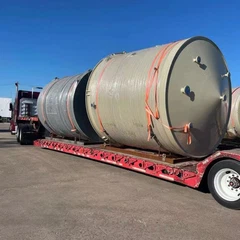
Gas for Compressor: Fuel Selection & Troubleshooting Guide
Why Gas-Powered Compressors Are Revolutionizing Industrial Operations
Industrial facilities worldwide are increasingly turning to gas for compressor systems due to their exceptional efficiency and cost-effectiveness. Unlike traditional electric models, gas engine for air compressor units deliver unmatched performance in remote locations and provide significant operational advantages across multiple sectors.
Understanding the relationship between fuel selection and compressor performance is crucial for maximizing equipment lifespan while minimizing operational costs. This comprehensive guide explores essential aspects of compressor gas selection, common operational challenges, and optimization strategies.

Understanding Gas-Powered Compressor Applications

Primary Industrial Applications
Natural gas compressors serve critical functions across diverse industries:
Oil and Gas Operations: These systems compress natural gas for pipeline transportation, maintaining optimal pressure levels throughout extensive distribution networks. Facilities typically require continuous operation, making fuel efficiency paramount for economic viability.
Manufacturing Plants: Production facilities utilize gas for compressor systems to power pneumatic tools, spray painting equipment, and automated assembly lines. The consistent power delivery ensures uninterrupted manufacturing processes.
Construction Sites: Remote construction projects rely heavily on portable gas-powered compressors due to limited electrical infrastructure. These units provide reliable compressed air for jackhammers, nail guns, and other pneumatic construction equipment.
Agricultural Operations: Modern farming operations employ gas compressors for grain handling, livestock facility ventilation, and irrigation system automation.
Where Gas Compressors Excel
Gas engine for air compressor systems demonstrate superior performance in several scenarios:
Remote locations lacking reliable electrical infrastructure benefit significantly from gas-powered units. These systems operate independently of electrical grids, providing consistent performance regardless of power availability.
High-demand applications requiring continuous operation find gas compressors more economical than electric alternatives. The lower operational costs offset initial equipment investments, particularly in facilities with substantial compressed air requirements.
Emergency backup applications rely on gas compressors to maintain critical operations during power outages. Hospitals, data centers, and manufacturing facilities depend on these systems for operational continuity.
How to Select Optimal Gas Types for Compressor Systems
Natural Gas Selection Criteria
Pipeline-quality natural gas represents the most common fuel choice for stationary compressor installations. This fuel type offers consistent BTU content, minimal impurities, and reliable supply through existing distribution networks.
Compressed natural gas (CNG) serves portable applications requiring fuel storage flexibility. Mobile compressor units benefit from CNG's higher energy density compared to pipeline gas.
Liquefied petroleum gas (LPG) provides excellent cold-weather performance and consistent combustion characteristics. Rural installations often prefer LPG due to delivery convenience and storage simplicity.
Fuel Quality Requirements
Compressor gas quality directly impacts engine performance and maintenance requirements. Key specifications include:
Methane content should exceed 85% for optimal combustion efficiency. Lower methane concentrations reduce power output and increase maintenance frequency.
Moisture levels must remain below 7 pounds per million cubic feet to prevent fuel system corrosion and combustion chamber deposits.
Hydrogen sulfide content should not exceed 5 parts per million to avoid accelerated engine wear and exhaust system degradation.
Particulate contamination requires filtration to prevent fuel injection system damage and maintain consistent engine performance.
Common Gas Compressor Failure Analysis and Solutions

Fuel-Related Engine Problems
Fuel contamination issues represent the leading cause of gas compressor failures. Water contamination causes corrosion throughout the fuel system, leading to injector malfunction and combustion chamber damage.
Solution: Implement comprehensive fuel filtration systems including coalescing filters for moisture removal and particulate filtration. Regular fuel quality testing prevents contamination-related failures.
Inadequate fuel pressure results in poor combustion efficiency and reduced power output. Insufficient gas pressure causes lean combustion conditions, leading to overheating and potential engine damage.
Solution: Install pressure regulation systems maintaining consistent fuel delivery. Monitor pressure gauges regularly and calibrate regulation equipment according to manufacturer specifications.
Compression System Failures
Valve failures occur frequently due to contaminated fuel causing carbon deposits on intake and exhaust valves. These deposits prevent proper valve sealing, reducing compression efficiency and causing power loss.
Solution: Use high-quality gas for compressor applications and implement regular valve cleaning schedules. Consider fuel additives designed to reduce carbon formation.
Cylinder wear problems develop when fuel impurities create abrasive particles during combustion. Excessive wear reduces compression ratios and increases oil consumption.
Solution: Maintain proper fuel filtration and monitor cylinder condition through regular compression testing. Replace worn cylinders before damage affects adjacent components.
Cooling System Complications
Overheating issues commonly result from inadequate airflow or coolant circulation problems. Gas engines generate significant heat during operation, requiring efficient cooling system maintenance.
Solution: Clean cooling system components regularly and verify proper coolant levels. Ensure adequate ventilation around engine compartments and inspect cooling fans for proper operation.
Thermostat malfunctions cause temperature regulation problems, leading to inefficient combustion and increased emissions. Faulty thermostats either prevent engines from reaching optimal operating temperatures or allow overheating conditions.
Solution: Replace thermostats according to maintenance schedules and monitor operating temperatures continuously. Install temperature alarms to prevent damage from extreme conditions.
How to Optimize Gas Compressor Performance
Maintenance Best Practices
Regular fuel system cleaning prevents contamination buildup and maintains optimal combustion efficiency. Schedule quarterly fuel filter replacements and annual fuel system inspections.
Engine tuning procedures ensure optimal air-fuel ratios and ignition timing. Properly tuned engines consume less fuel while delivering maximum power output.
Preventive maintenance schedules reduce unexpected failures and extend equipment lifespan. Document all maintenance activities and track performance trends to identify potential problems early.
Performance Monitoring Strategies
Fuel consumption tracking identifies efficiency trends and potential mechanical problems. Sudden increases in fuel consumption often indicate developing engine or compression system issues.
Temperature monitoring prevents overheating damage and optimizes operating conditions. Install temperature sensors throughout the system and establish alarm thresholds for critical components.
Vibration analysis detects mechanical wear and alignment problems before they cause catastrophic failures. Regular vibration monitoring identifies bearing wear, shaft misalignment, and other mechanical issues.
Gas-powered compressor systems offer exceptional versatility and performance when properly selected and maintained. Understanding fuel requirements, common failure modes, and optimization strategies ensures reliable operation while maximizing return on investment.