








Why Fluidized Bed Dryers Transform Industrial Drying Processes

What Is Fluidized Bed Dryer Technology and How Does It Work?
What is fluidized bed dryer technology represents a revolutionary approach to industrial drying that suspends solid particles in an upward-flowing gas stream. This creates a fluid-like behavior where materials achieve optimal heat and mass transfer rates, dramatically improving drying efficiency compared to conventional methods.
The fluidized bed dryer operates through a simple yet sophisticated principle: heated air flows upward through a perforated distributor plate, creating sufficient velocity to suspend wet materials above the plate. This fluidization state enables uniform temperature distribution and rapid moisture removal across all particle surfaces simultaneously.
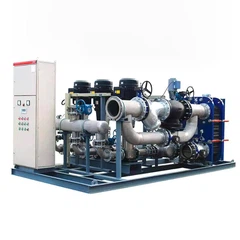
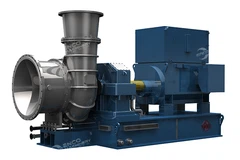
Understanding the fundamental mechanics requires examining the fluidized bed dryer diagram. The system consists of several critical components working in harmony: the main drying chamber, perforated air distribution plate, heating system, exhaust gas cleaning equipment, and material feed/discharge mechanisms. Each component plays a vital role in maintaining optimal fluidization conditions.
Where Are Fluidized Bed Dryers Most Effectively Applied?

Pharmaceutical Manufacturing Applications
Pharmaceutical companies rely heavily on fluidized bed dryer systems for producing high-quality granules and powders. These applications demand precise moisture control and contamination prevention, making fluidized bed technology ideal for:
Granule drying operations require uniform moisture removal without particle segregation. The gentle agitation within the fluidized bed prevents granule breakage while ensuring consistent moisture levels throughout the batch.
Active pharmaceutical ingredient (API) processing benefits from the controlled environment and precise temperature regulation. The enclosed system prevents cross-contamination while maintaining product integrity during drying cycles.
Coating and pelletization processes utilize fluidized bed technology for applying protective coatings or functional layers to pharmaceutical cores. The uniform particle movement ensures even coating distribution.
Food Processing Industry Applications
Food manufacturers increasingly adopt fluidized bed dryer technology for processing temperature-sensitive products requiring gentle handling:
Instant coffee production utilizes fluidized bed drying to remove moisture from coffee extracts while preserving volatile flavor compounds. The controlled atmosphere prevents oxidation and maintains product quality.
Spice and herb processing requires careful moisture removal to preserve essential oils and active compounds. Fluidized bed systems provide precise temperature control preventing thermal degradation.
Cereal and grain processing benefits from uniform drying and minimal product degradation. The technology ensures consistent moisture levels while preventing kernel cracking or nutritional loss.
Chemical Industry Applications
Chemical processing facilities leverage fluidized bed dryer systems for handling various materials:
Polymer resin drying requires precise moisture control to prevent quality degradation during subsequent processing steps. Fluidized bed technology provides consistent results with minimal thermal stress.
Catalyst preparation involves drying catalyst supports and active materials under controlled conditions. The uniform temperature distribution prevents hot spots that could damage catalyst structure.
Specialty chemical production utilizes fluidized bed drying for creating consistent particle size distributions and moisture levels in final products.
How to Troubleshoot Common Fluidized Bed Dryer Issues

Fluidization Problems and Solutions
Insufficient fluidization represents the most frequent operational challenge in fluidized bed dryer systems. This condition manifests as uneven drying, channeling, or complete loss of particle suspension.
Root causes typically include inadequate air velocity, improper distributor plate design, or particle size distribution issues. Wet or sticky materials may also prevent proper fluidization by creating particle agglomeration.
Diagnostic approach: Monitor pressure drop across the bed continuously. Proper fluidization requires specific pressure drop ranges corresponding to bed weight and air velocity. Install pressure gauges before and after the distributor plate to identify flow distribution problems.
Corrective measures: Increase air flow gradually while monitoring bed behavior. Clean distributor plate holes regularly to prevent blockage. Consider pre-drying extremely wet materials using alternative methods before fluidized bed processing.
Temperature Control Complications
Temperature uniformity issues significantly impact drying efficiency and product quality. Hot spots or cold zones within the fluidized bed dryer create inconsistent moisture levels and potential product degradation.
Heat exchanger fouling commonly causes temperature fluctuations by reducing heat transfer efficiency. Particulate accumulation on heating surfaces creates insulating layers that impede thermal performance.
Solution strategies: Implement comprehensive heat exchanger cleaning schedules based on operating conditions and material characteristics. Install multiple temperature sensors throughout the drying chamber to identify temperature variations early.
Preventive measures: Regular inspection of heating elements prevents catastrophic failures. Consider redundant heating systems for critical applications requiring continuous operation.
Material Handling Challenges
Feed system inconsistencies disrupt steady-state operation and affect product quality. Irregular material feeding creates batch-to-batch variations and complicates process control.
Discharge problems occur when dried materials fail to exit the system properly, leading to over-drying or equipment damage. Sticky materials or inadequate discharge mechanisms commonly cause these issues.
Equipment wear affects critical components including distributor plates, feed mechanisms, and exhaust systems. Abrasive materials accelerate wear rates requiring frequent maintenance interventions.
Optimization approaches: Calibrate feed systems regularly to ensure consistent material flow rates. Install weight-loss feeders for precise material metering. Implement automated discharge controls based on moisture content measurements.
How to Optimize Fluidized Bed Dryer Performance
Process Parameter Optimization
Air velocity optimization requires balancing drying efficiency with energy consumption. Excessive air velocities waste energy while insufficient velocities compromise drying performance.
Temperature profile management involves establishing optimal inlet temperatures while maintaining acceptable outlet conditions. Higher temperatures increase drying rates but may degrade heat-sensitive materials.
Residence time control ensures adequate moisture removal without over-processing. Adjust bed height and air velocity to achieve target moisture levels efficiently.
Maintenance Best Practices
Preventive maintenance scheduling reduces unexpected downtime and maintains consistent performance. Develop comprehensive maintenance protocols addressing all critical system components.
Distributor plate maintenance requires regular inspection and cleaning to prevent flow maldistribution. Replace damaged plates promptly to avoid operational problems.
Filter system maintenance ensures proper exhaust gas cleaning and prevents environmental emissions. Monitor pressure drops across filters to schedule replacement activities.
Performance Monitoring Systems
Real-time moisture monitoring provides immediate feedback on drying progress and enables automatic process adjustments. Install moisture sensors at multiple bed locations for comprehensive monitoring.
Energy efficiency tracking identifies opportunities for operational improvements and cost reductions. Monitor specific energy consumption per unit of moisture removed.
Product quality assessment ensures consistent output meeting specifications. Implement statistical process control methods to identify process variations early.
Why Fluidized bed Dryers Deliver Superior Results
Fluidized bed drying technology offers unmatched versatility and efficiency for diverse industrial applications. The uniform heat and mass transfer characteristics, combined with gentle material handling, make these systems ideal for processing heat-sensitive and high-value materials.
Understanding proper operation, maintenance, and troubleshooting techniques ensures optimal performance while minimizing operational costs. Investment in comprehensive training and monitoring systems pays dividends through improved product quality and reduced downtime.