









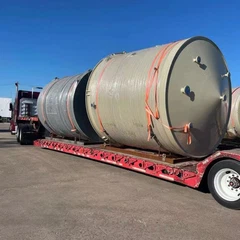
Reverse Osmosis storage tanks application guide
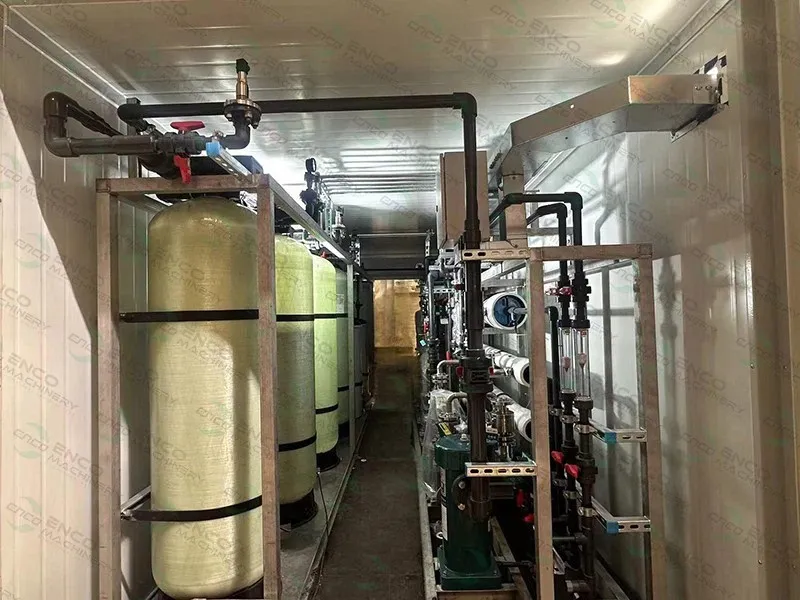
Reverse osmosis (RO) systems purify water by forcing it through a semi-permeable membrane. However, without a reverse osmosis storage tank, the system wouldn't deliver water efficiently. This guide explains how RO tanks function, common user pain points, and their best applications.
What Is a Reverse Osmosis Tank?
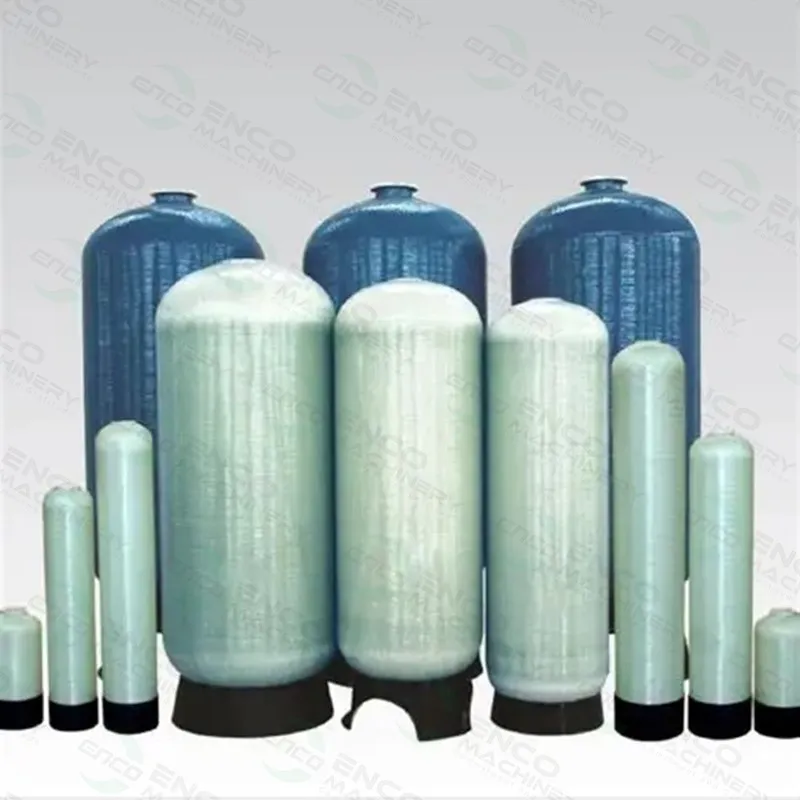
A reverse osmosis tank (or RO storage tank) is a pressurized container that stores purified water after filtration. Key components:
- Bladder/air gap – Separate purified water from compressed air
- Pressure valve – Maintains optimal reverse osmosis tank pressure (typically 7–10 psi)
- Tank liner – Prevents metal/plastic taste transfer
✔ Why You Need It: RO membranes filter slowly (~1 gallon/hour). The tank ensures instant access to clean water.
3 Critical Functions of Reverse Osmosis Storage Tanks
1. Maintains Consistent Water Pressure
Since RO filtration is slow, the reverse osmosis tank pressure pushes water to your faucet on demand. Without it, you'd wait minutes for a full glass.
2. Protects the RO Membrane
High pressure (from pumps or plumbing) can damage membranes. The tank absorbs pressure spikes, extending system life.
3. Reduces Wastewater Production
Standard RO systems waste 3-4 gallons per purified gallon. A properly pressurized tank minimizes waste by optimizing flow rates.
Common Reverse Osmosis Tank Issues & Solutions
❌ Problem 1: Loss of Pressure (Slow Flow)
Cause: Air bladder leak, valve failure, or undersized tank.
Fix: Re-pressurize or replace the tank.
❌ Problem 2: Bacterial Growth
Cause: Stagnant water fosters biofilm.
Fix: Install a UV purifier or sanitize every 6 months.
❌ Problem 3: Leaking/Failed Tank
Cause: Corrosion or ruptured bladder.
Fix: Use food-grade tanks and check warranty coverage.
Where Reverse Osmosis Tanks Are Used
✅ Residential – Under-sink kitchen units (most common)
✅ Commercial – Restaurants, dental clinics (requires larger tanks)
✅ Industrial – Pharma labs, marine vessels (heavy-duty stainless steel models)
How to Maintain Your Reverse Osmosis Tank
- Check pressure monthly (use a tire gauge).
- Replace filters annually (prevents clogging).
- Sanitize every 6 months (use hydrogen peroxide).
Pro Tip: Upgrade to a permeate pump if pressure fluctuates often.