









Understanding Steam Temperature and Its Applications
Steam temperature is a key factor in many industrial processes. It plays a vital role in power generation, heating, and mechanical work.
Understanding steam temperature helps improve efficiency and safety in various systems. It is crucial for engineers, students, and industry professionals.
The relationship between steam temperature, pressure, and heat is governed by thermodynamics. This relationship is essential for optimizing industrial applications.
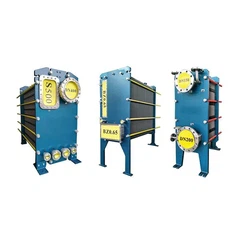
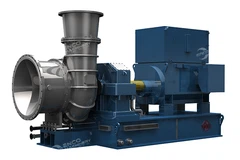
Steam temperature affects the performance of turbines, heat exchangers, and other equipment. Proper control can enhance energy efficiency and reduce operational costs.
In this article, we will explore the significance of steam temperature and its diverse applications across industries.
What Is Steam Temperature?
Steam temperature refers to the heat level of steam in various states. It is a critical parameter in many processes, from power plants to food factories.
Steam forms when water is heated above its boiling point. Its temperature can vary based on pressure and heat input.
Understanding steam temperature involves considering several factors:
- How pressure impacts boiling points
- The difference between saturated and superheated steam
- How steam temperature is measured and controlled
These factors are crucial for the efficient use of steam across industries. Proper management can enhance performance and maintain safety standards.

The Relationship Between Steam Temperature, Pressure, and Heat
The interaction between steam temperature, pressure, and heat is fundamental in thermodynamics. Each affects the others, altering steam's properties and capabilities.
As steam pressure increases, its temperature rises. This is because higher pressure raises the boiling point of water, requiring more heat to convert into steam.
The relationship is governed by several principles:
Higher pressure leads to higher boiling points
Increased heat raises steam temperature
Efficiency depends on maintaining optimal conditions
A clear grasp of these principles ensures efficient design and operation in systems using steam. Fluctuations can lead to inefficiencies or damage if not managed carefully.
In industrial contexts, adjusting either pressure or heat allows control over steam temperature. This is vital for achieving desired outcomes in heating, power generation, and even cooling applications. Proper monitoring and adjustment ensure steam processes remain both safe and efficient.

Types of Steam: Saturated vs. Superheated
Steam can be categorized into saturated and superheated types. Each type has distinct characteristics and applications.
Saturated steam occurs when water vapor is at its boiling point. Here, temperature and pressure are closely linked and in balance.
- Typical in heating applications
- Condenses efficiently
- Carries significant moisture
Superheated steam is generated by adding additional heat to saturated steam, raising its temperature without increasing pressure.
- Used in power plants
- No moisture present
- Higher energy content
Superheated steam is critical in processes requiring high energy transfer. It provides more energy than saturated steam, making it preferable in turbines and engines for improved efficiency. Understanding these differences helps in choosing the appropriate steam type for specific industrial tasks.
Measuring and Controlling Steam Temperature
Accurate measurement of steam temperature is vital for maintaining process efficiency and safety. Several tools ensure precise monitoring in industrial setups.
Thermocouples and resistance temperature detectors (RTDs) are commonly used devices. They offer reliable and accurate readings for steam systems.
To control steam temperature effectively, several methods can be utilized:
- Desuperheaters: Reduce superheated steam temperature.
- Attemperators: Modulate temperature in turbines.
- Pressure adjustments: Influence boiling point and temperature.
Proper steam temperature control ensures equipment longevity and energy efficiency. By managing temperature precisely, industries optimize performance, minimize risks, and reduce costs. Consistent monitoring aids in adapting to operational needs and ensures the safe operation of steam systems.
Industrial Applications of Steam Temperature
Steam temperature plays a pivotal role across many industries. It influences processes, energy efficiency, and product quality.
In power generation, high steam temperatures improve turbine efficiency. This leads to enhanced power plant performance. Chemical manufacturing also benefits from steam heat for precise reaction control.
The food industry relies on steam for cooking and pasteurization. Controlled steam temperature ensures high-quality, safe products. Similarly, in the textile industry, steam aids in dyeing and finishing. It provides consistent and effective treatment of fabrics.
Key applications of steam temperature include:
- Power Generation: Improving turbine efficiency.
- Chemical Manufacturing: Reaction control.
- Food Processing: Cooking and pasteurization.
- Textile Industry: Dyeing and finishing.
- Pharmaceuticals: Process heating and sterilization.
Additionally, steam is indispensable in the paper and rubber industries. It aids in drying and vulcanization processes, ensuring product integrity. Each application underscores the significance of managing steam temperature. Proper temperature control enhances operational efficiency, reduces energy wastage, and maintains product standards. This underscores the versatile and indispensable nature of steam in industrial applications.
Importance of Steam Temperature in Energy Efficiency and Safety

Controlling steam temperature is crucial for achieving energy efficiency in industrial systems. Higher steam temperatures can substantially boost the thermal efficiency of power plants. This leads to significant reductions in fuel consumption.
Safety is another key concern with steam systems. Improper steam temperature management can lead to equipment failure or hazardous conditions. Thus, precise monitoring is essential for maintaining safe operations.
Areas where steam temperature aids efficiency and safety include:
- Reducing Fuel Costs: Through better thermal efficiency.
- Preventing Equipment Damage: By ensuring safe operating conditions.
- Enhancing Productivity: By minimizing downtime due to failures.
Accurate control of steam temperature ensures that industries meet both their energy efficiency goals and safety standards. This dual focus can lead to cost savings and improved operational reliability.
Common Challenges and Solutions in Steam Temperature Management
Managing steam temperature involves several challenges, including fluctuations in pressure and heat losses. These can impact system efficiency and stability.
To overcome these challenges, industries use advanced techniques and equipment. Regular maintenance and monitoring are also essential for effective management.
Key solutions include:
- Using Desuperheaters: To adjust steam temperature.
- Implementing Insulation: To reduce heat losses.
- Conducting Routine Inspections: To identify potential issues early.
By employing these solutions, industries can optimize steam temperature control, enhancing both performance and safety. This proactive approach helps maintain system reliability and extends equipment life.
Conclusion
Understanding steam temperature is vital for optimizing industrial processes and ensuring safety. It plays a pivotal role in energy efficiency and operational effectiveness across numerous sectors.
From power generation to manufacturing, the precise control of steam temperature enhances performance while reducing costs. Adopting advanced management techniques contributes to better energy conservation and longevity of equipment. Industries benefit from continuously improving their approach to steam temperature management, ensuring they meet safety standards and improve overall process efficiency. A deeper understanding of steam temperature paves the way for innovation and sustainable practices in industrial applications.