








What is a Tankless RO and How Does It Revolutionize Water Purification?
For decades, reverse osmosis (RO) has been a gold standard for home water filtration. But the traditional systems with their bulky storage tanks are facing a modern challenger: the tankless RO system. This guide cuts through the hype to deliver a technical yet accessible analysis of tankless RO technology. We will dissect its core functions, practical usage, and common pitfalls, providing you with the knowledge to decide if a tankless RO filter is the right upgrade for your home or business.
What Exactly is a Tankless RO System?
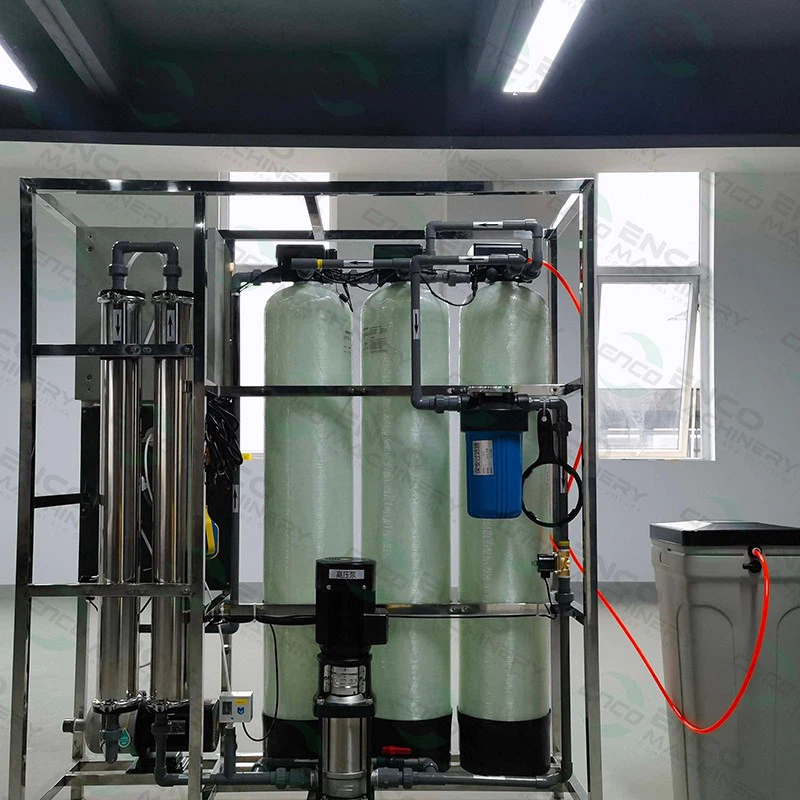
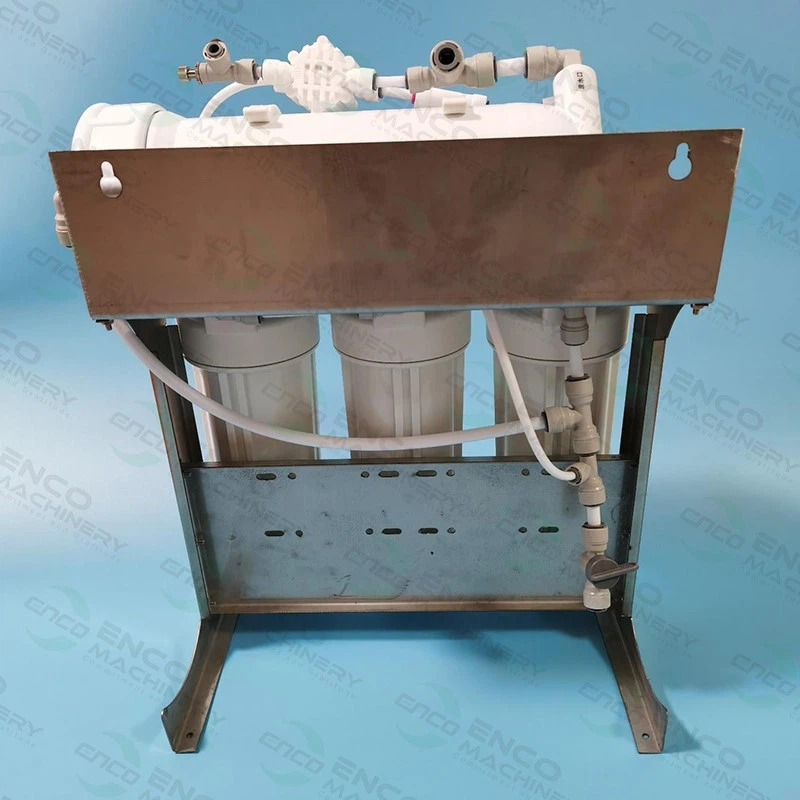
Unlike conventional RO systems that rely on a pressurized storage tank to hold purified water, a tankless RO system generates water on demand. It eliminates the tank entirely, relying on a more powerful pump and often a different membrane configuration to provide instant, continuous purified water. The core components remain-a pre-filter, the RO membrane, and a post-filter-but their operation is streamlined for efficiency and space-saving.
How Does a Tankless RO Function? The Mechanics of On-Demand Purification
Understanding how this system works reveals its advantages. Here's a step-by-step breakdown:
- Initial Filtration: Incoming water first passes through a tankless RO filter, typically a sediment pre-filter, to remove dirt, rust, and other particulates. A carbon pre-filter often follows, eliminating chlorine and other chemicals that could damage the sensitive RO membrane.
- On-Demand Pressurization: When you open the RO faucet, a sensor activates a high-performance feed pump. This pump immediately ramps up, supplying the necessary pressure (often higher than in traditional systems) to force water through the semi-permeable RO membrane.
- Reverse Osmosis Membrane: This is the heart of any RO system. Water is forced through the membrane's microscopic pores, which block dissolved solids like salts, heavy metals (lead, arsenic), and a wide array of contaminants.
- Immediate Delivery & Drainage: The purified water, now called permeate, flows directly to your dedicated faucet. The contaminants flushed from the membrane, known as concentrate or reject water, are sent to the drain in real-time. There is no waiting for a tank to fill.
This process ensures that every glass of water you get is freshly filtered, not water that has been sitting stagnant in a plastic tank.
Why Choose a Tankless RO? Unpacking the Key Advantages
What drives the shift towards tankless technology? The benefits are significant:
- Endless Pure Water Supply: Does a tankless RO run out of water? Simply put, no. It can typically produce purified water continuously as long as the feed water pressure is maintained, making it ideal for large families or high-use scenarios like coffee shops.
- Superior Space Efficiency: By removing the large storage tank, a tankless RO system installs neatly under the sink, freeing up significant cabinet space.
- Reduced Contamination Risk: Storage tanks can harbor bacteria or leach chemicals from their bladders over time. A tankless system delivers fresh water on demand, mitigating this risk.
- Higher Efficiency: Traditional systems can waste water while repressurizing the tank. Advanced tankless models often feature automatic shut-off and more efficient drainage cycles, potentially reducing water waste.

When is a Tankless RO the Right Choice? Key Applications
Is a tankless RO system for everyone? Consider these ideal use cases:
- Homes with Limited Under-Sink Space: The compact footprint is a primary motivator for many homeowners.
- Households with High Water Demand: If your family constantly empties a standard 3-gallon RO tank, an on-demand system eliminates the frustrating wait for replenishment.
- Concerns Over Water Stagnation: For those particularly wary of water sitting in a tank, the immediate production of a tankless RO provides peace of mind.
What Are the Potential Drawbacks and Common Issues?
No technology is perfect. Being aware of potential challenges is crucial for informed decision-making.
- Initial Cost: A quality tankless RO system often carries a higher upfront cost compared to traditional tank-based systems, due to its more powerful pump and sophisticated electronics.
- Flow Rate Realities: While "endless," the instantaneous flow rate (often measured in GPM - gallons per minute) might be slower than simply drawing from a full pressurized tank. Check the system's specified production rate to set expectations.
- Complexity and Maintenance: The reliance on sensors and a more powerful pump can mean there are more components that could potentially require service. However, filter change routines for the pre and post tankless RO filter remain similarly straightforward.
- Electricity Dependency: Most tankless RO systems require an electrical outlet to power the pump, whereas traditional systems are purely mechanical. A power outage means no purified water.
Maintaining Your Investment: Tankless RO Filter and System Care
Proper maintenance is non-negotiable for performance and longevity.
- Filter Changes: The pre-filters and post-filter (the tankless RO filter components) must be replaced on a regular schedule, typically every 6-12 months, depending on your water quality and usage. Neglecting this will lead to clogging, reduced pressure, and damage to the RO membrane.
- Membrane Replacement: The RO membrane itself is a long-lasting component but will eventually lose effectiveness. It typically requires replacement every 2-5 years.
- System Sanitization: Periodically sanitizing the entire system is recommended to prevent biological growth within the lines and components.
The Verdict: Is a Tankless RO System Right for You?
The decision hinges on your priorities. If you value space savings, want a continuous supply of fresh water, and are willing to invest initially for long-term benefits, a tankless RO system is an excellent, modern choice. If upfront cost is your primary concern and your water usage is moderate, a well-maintained traditional system may still suffice.
Ultimately, the move towards tankless technology represents the natural evolution of water purification-more efficient, more compact, and more in tune with modern demands.