








How reverse osmosis system works
Reverse osmosis is a fascinating water purification method. It plays a crucial role in providing clean drinking water. But how does this system work?
Understanding the reverse osmosis process can seem complex. However, it's simpler than it appears. This article will guide you through it.
Reverse osmosis systems are vital in water treatment. They help remove impurities from water. This makes the water safe and pleasant to drink.
The process involves a semi-permeable membrane. This membrane is key to filtering out contaminants. Only water molecules can pass through it.
Reverse osmosis is used in many settings. From homes to industries, its applications are vast. It's a reliable method for improving water quality.
The system consists of several components. Each part plays a specific role in the purification process. Together, they ensure effective water treatment.
Reverse osmosis can remove up to 99% of contaminants. This includes harmful substances like lead and chlorine. The result is pure, clean water. (EPA membrane removal >98 %) (U.S. EPA, 1994)
Despite its benefits, reverse osmosis has some limitations. It can waste water during the process. But advances in technology are addressing this issue.
Regular maintenance is essential for these systems. Proper care ensures they function optimally. This includes replacing filters and membranes as needed.
Reverse osmosis is an eco-friendly solution. It reduces reliance on bottled water. This helps minimize plastic waste and supports sustainability.
In this article, we'll explore how reverse osmosis systems work. We'll cover their benefits, challenges, and applications. Let's dive into the world of reverse osmosis.

Understanding Osmosis and Reverse Osmosis
To grasp reverse osmosis, we first need to understand osmosis. Osmosis is a natural process involving water movement. It occurs when water moves through a semi-permeable membrane.
In osmosis, water moves from a lower concentration to a higher one. This process seeks to balance concentration on both sides. It is a fundamental biological principle in many living organisms.
Now, reverse osmosis is the opposite of osmosis. It forces water from a higher concentration to a lower one. It achieves this by applying external pressure.
The primary component in reverse osmosis is the semi-permeable membrane. This membrane allows only certain molecules, mainly water, to pass through. It effectively blocks contaminants and impurities.
Reverse osmosis can remove various dissolved substances. This includes salts, metals, and other particles. The method is renowned for its effectiveness in purifying water. (Kapepula et al., 2024)
Here's a quick comparison to help clarify:
- Osmosis: Water moves naturally without pressure.
- Reverse Osmosis: Water moves against natural osmosis, needs pressure.
- Osmosis: Balances concentration on both sides of the membrane.
- Reverse Osmosis: Purifies water by removing unwanted substances.
Reverse osmosis systems are used worldwide. They play a vital role in providing clean and safe water. This process has become a foundation in modern water treatment systems.
Understanding the principles behind these processes helps explain their applications. As you delve deeper, you'll appreciate the brilliance of reverse osmosis. This knowledge offers insights into its benefits and how it enhances water quality.
The Reverse Osmosis Process: Step by Step
The reverse osmosis process is a multi-stage operation designed to purify water. Each step is crucial for optimal water quality. Let's break down the steps involved in this purification process.
Step 1: Pre-Filtration
The process begins with pre-filtration. The pre-filter removes sediments and larger particles. It helps protect the reverse osmosis membrane from damage.
Step 2: Application of Pressure
Pressure application is essential. It pushes water through the semi-permeable membrane. This pressure separates contaminants from the water molecules.
Step 3: The Semi-Permeable Membrane
The heart of the reverse osmosis system is the semi-permeable membrane. It only allows water molecules to pass through. Contaminants are left behind in the reject stream.
Step 4: Post-Filtration
After passing through the membrane, water undergoes post-filtration. This step removes any residual tastes or odors. It ensures the water is palatable and clean.
Step 5: Storage and Delivery
Purified water is stored in a tank until needed. When you open the tap, the water flows to you. This ensures instant access to clean, safe drinking water.
Key Points to Remember
- Pre-Filtration: Removes large particles.
- Pressure Application: Forces water through the membrane.
- Membrane Filtration: Blocks contaminants, allows water.
- Post-Filtration: Further cleans the water.
- Storage: Holds purified water until use.
Wastewater Management
During purification, there is some wastewater. This reject stream contains all the filtered contaminants. Efficient systems minimize water waste.
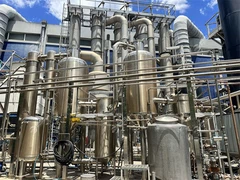
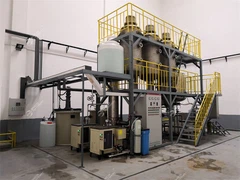
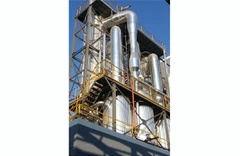
In industrial settings, this reject (Concentrated water) is often handled further via techniques such as industrial liquid waste disposal or industrial waste recycling. For example, reverse osmosis concentrate streams may be treated using MVR evaporators to reclaim water and reduce waste volume (Heijman et al., 2009; Shen et al., 2023).

Maintenance Considerations
Regular maintenance is vital. Filters need periodic replacement. This keeps the system efficient and effective.
To ensure long-term performance, common tasks include:
- Checking for membrane fouling
- Cleaning or replacing pre- and post-filters
- Monitoring pressures and flow rates
- Sanitization cycles
Differences in Home and Industrial Systems
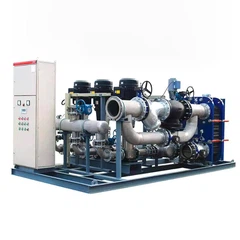
Home systems are compact and often fit under sinks. Industrial systems are larger, designed for higher water volumes. Both utilize the same basic reverse osmosis principles.
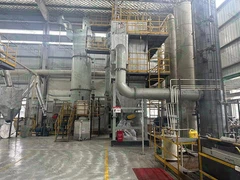
In industrial applications, RO is often part of a larger treatment train, where the concentrate is further processed (e.g. by MVR evaporation) to support industrial waste recycling and sustainable disposal (HRS, 2024).
Technological Innovations
Recent advances have enhanced the efficiency of reverse osmosis systems. Modern designs reduce waste and improve filtration rates. These improvements benefit both home users and industrial applications.
Reverse osmosis remains a trusted method for water purification. Understanding its process helps in appreciating its capabilities. As technology evolves, reverse osmosis continues to deliver better water solutions.
Key Components of a Reverse Osmosis System
A reverse osmosis system comprises several critical components. Each component plays a unique role in ensuring effective water filtration. Understanding these parts helps in appreciating the system's functionality.
Pre-Filters
Pre-filters are the first line of defense in a reverse osmosis system. They remove larger contaminants like sediment, dirt, and chlorine. This step protects the membrane, extending its lifespan.
The Membrane
The semi-permeable membrane is central to the system. This component carries out the primary filtration task. It selectively allows water molecules through while blocking contaminants.
Post-Filters
After water passes through the membrane, it reaches the post-filters. These filters fine-tune the water quality. They remove any remaining tastes or odors, improving the final product.
Storage Tank
The storage tank is where purified water is held. This component ensures that filtered water is always available on demand. Tanks vary in size depending on the system's capacity.
Flow Restrictor
A flow restrictor is crucial for maintaining the proper pressure. It regulates water flow through the system. This ensures consistent performance and prevents wastage.
Check Valve
The check valve prevents backflow. It ensures that contaminants don't re-enter the purified water. This component maintains the purity of stored water.
Automatic Shut-Off Valve
This valve helps conserve water. It shuts off the system when the storage tank is full. This prevents unnecessary water consumption, making the system more efficient.
Components List
- Pre-Filters: Remove large particles.
- Semi-Permeable Membrane: Key filtration.
- Post-Filters: Final cleaning.
- Storage Tank: Holds clean water.
- Flow Restrictor: Regulates pressure.
- Check Valve: Prevents backflow.
- Automatic Shut-Off Valve: Saves water.
Proper installation and understanding of these components enhance system performance. Knowing how each part functions aids in troubleshooting and maintenance. Reverse osmosis systems are intricate, yet their operation is logical and effective.
Regular maintenance, including filter replacement, is essential. It ensures each component works efficiently. This keeps the system in optimal condition for delivering high-quality water.
With these components, reverse osmosis systems efficiently purify water, making them a reliable choice for home and industrial use. Understanding each part's role simplifies both usage and care.
How Reverse Osmosis Removes Contaminants
Reverse osmosis is a powerful tool for purifying water. It uses a semi-permeable membrane to filter out impurities. This process removes a wide range of contaminants, making water safe to drink.
The Role of the Semi-Permeable Membrane
At the heart of this process lies the semi-permeable membrane. This membrane allows water molecules to pass through while blocking larger particles. This selective barrier is what makes reverse osmosis so effective.
Pressure Application
Applying pressure is essential for the reverse osmosis process. Water is forced through the membrane, leaving contaminants behind. This ensures that only clean water reaches the other side.
Types of Contaminants Removed
Reverse osmosis can remove various contaminants. It effectively eliminates:
- Heavy metals, like lead and mercury
- Salts and dissolved solids
- Bacteria and microorganisms
- Chemical contaminants
The system's ability to target these impurities sets it apart from other purification methods.
Efficiency and Effectiveness
Reverse osmosis systems can remove up to 99% of contaminants. This high level of efficiency makes them one of the most thorough methods available. The process leaves water tasting fresh and clear.
Limitations in Contaminant Removal
Despite its effectiveness, reverse osmosis isn't perfect. It does not effectively remove dissolved gases. Certain pesticides can also escape this filtration method, requiring additional treatment.
Maintenance of the Membrane
To maintain the system's effectiveness, regular membrane care is crucial. Replacing the membrane periodically ensures continued high performance. A well-maintained system consistently delivers pure water.
Contaminant Removal Summary
- Heavy Metals: Lead, mercury
- Salts and Solids: Dissolved materials
- Biologicals: Bacteria, microorganisms
- Chemical Contaminants: Various chemicals
- Limitations: Gases and some pesticides
Reverse osmosis remains a reliable and efficient method. Its ability to remove numerous contaminants ensures access to safe drinking water. Regular maintenance keeps it functioning optimally, safeguarding water quality.
Types of Reverse Osmosis Water Treatment Systems
Reverse osmosis systems come in various forms, each designed for specific needs. Choosing the right system depends on your water quality challenges and usage requirements.
Under-Sink Systems
The most common type for households is the under-sink unit. It's compact and fits neatly beneath the kitchen sink. This system connects directly to your water line, offering filtered water on demand.
Countertop Units
For those with limited space or rental restrictions, countertop units are ideal. They don't require permanent installation and are easily moved. These systems offer a convenient solution without the need for plumbing modifications.
Whole-House Systems
When the need for purified water extends beyond drinking, consider whole-house systems. These systems treat all the water entering your home. Every tap provides filtered water, enhancing bath and laundry quality as well.
Industrial Systems
Industrial reverse osmosis systems are designed for larger scale water treatment. They are robust and can handle significant volumes. Industries like food and beverage processing use these systems to ensure water purity.
Portable Systems
For those who travel frequently, portable systems are available. They provide the same high level of filtration in a compact, portable format. Campers and travelers often benefit from their convenience.
System Comparison List
When selecting a reverse osmosis system, consider:
- Under-Sink: Easy installation, household use
- Countertop: Portable, space-efficient
- Whole-House: Comprehensive filtration
- Industrial: High volume, robust
- Portable: Travel-friendly, compact
Each system type offers unique benefits tailored to specific needs. From small-scale to industrial applications, reverse osmosis systems deliver versatility and performance.
Residential vs. Commercial
Residential systems focus on drinking and bathing, whereas commercial models emphasize large-scale operations. Understanding these distinctions helps in selecting a system that meets your demands.
Selecting the right reverse osmosis system requires careful consideration. Assess your needs and consult with experts to find a suitable solution. The right system can ensure continual access to purified water, enhancing quality and health.
Applications of Reverse Osmosis in Water Treatment
Reverse osmosis (RO) systems are versatile tools in water treatment. They find applications across many sectors due to their effectiveness in removing impurities.
Desalination of Seawater
One prominent application is in seawater desalination. This process transforms saline water into drinkable water. By applying pressure to seawater, RO systems remove salt and minerals, providing a sustainable solution for freshwater scarcity.
Industrial Water Treatment
In industrial settings, RO systems play a crucial role. Industries such as power generation use RO to ensure water purity. This helps prevent damage to machinery and maintain operational efficiency.
After RO, many plants adopt zero liquid discharge (ZLD) strategies, using evaporation (especially MVR evaporators) to further reduce waste and recover water (HRS, 2024).
Food and Beverage Production
RO systems are critical in the food and beverage industry. They guarantee that water used in production meets stringent safety standards. This application ensures product quality and consumer safety.
Pharmaceutical Applications
In the pharmaceutical industry, the need for pure water is essential. RO systems help in creating a controlled environment by removing contaminants. This purity is vital in drug manufacturing and equipment sanitation.
Residential Use
At home, RO systems ensure safe drinking water. These systems are installed to improve taste and reduce contaminants. Families benefit from cleaner, healthier water for cooking and consumption.
RO Applications List
- Desalination: Converting seawater to freshwater
- Industrial Use: Equipment protection, efficiency
- Food Production: Quality, safety assurance
- Pharmaceuticals: Purity in drug production
- Residential: Safe water for daily use
With reverse osmosis, diverse applications are possible. Each application shares a common theme: providing purified, contaminant-free water. As technology advances, the scope of RO applications continues to grow.
Benefits of Reverse Osmosis Systems
Reverse osmosis systems offer many benefits, making them a popular choice for water purification. One of their major advantages is the ability to remove a wide array of contaminants. This ensures water quality that meets health and safety standards.
Effective Contaminant Removal
RO systems can remove up to 99% of contaminants. This includes lead, chlorine, and nitrates, which are harmful to human health. The effectiveness of RO systems ensures water is safe for everyday use.
Improved Taste and Odor
Water treated with reverse osmosis often tastes and smells better. By removing chlorine and other chemicals, RO systems enhance water's natural qualities. Improved taste encourages people to drink more water, which can benefit health.
Versatility and Adaptability
The versatility of RO systems is noteworthy. They cater to diverse environments, from homes to large industries. This adaptability makes them an attractive option for various water treatment needs.
Economic Benefits
Over time, RO systems can be cost-effective. By reducing the need for bottled water, they help families save money. Additionally, lower consumption of bottled water benefits the environment.
Sustainable Water Solution
Reverse osmosis is an environmentally friendly solution. It reduces the reliance on non-renewable bottled water. Furthermore, advances in RO technology continue to improve efficiency and reduce waste.
Advantages Summary
- Contaminant Removal: Up to 99% effectiveness
- Enhanced Taste: Better taste and odor
- Versatility: Suitable for diverse applications
- Cost Savings: Reduces bottled water use
- Sustainability: Environmentally friendly
The benefits of reverse osmosis systems are clear and manifold. Their ability to provide clean, safe, and great-tasting water makes them a valuable investment.
Limitations and Challenges of Reverse Osmosis
While reverse osmosis systems are effective, they come with limitations. Understanding these challenges is crucial for potential users. Being aware of these can help make informed decisions.
High Water Waste
One major challenge is water waste. Traditional RO systems can waste 4 gallons for every gallon purified. This inefficiency can lead to higher water bills and concerns about sustainability.
Limited Contaminant Removal
Although RO systems remove many contaminants, they are not universal. Dissolved gases and some pesticides may pass through. Users should assess specific water quality needs before deciding on RO.
System Cost and Maintenance
The initial cost of RO systems can deter some. Furthermore, regular maintenance, such as filter replacement, is necessary. This ongoing upkeep adds to the overall expense and effort required.
Slow Filtration Process
RO systems typically require time to purify water. This can lead to slower water flow rates. Users might need to wait longer for water during peak usage periods.
Challenges Summary
- Water Waste: High wastage ratio
- Selective Removal: Not all contaminants filtered
- Cost: Initial and maintenance expenses
- Flow Rate: Slower water flow
Despite these challenges, reverse osmosis remains a popular choice. Understanding these limitations can help tailor solutions to specific needs. This ensures that users maximize benefits while minimizing drawbacks.
Advances in Reverse Osmosis Technology
The development of reverse osmosis technology continues to evolve. New innovations address both efficiency and environmental concerns. Advances help to enhance system performance significantly.
Enhanced Membrane Technology
Recent advancements focus on improving membrane materials. Enhanced membranes increase contaminant removal rates and reduce water waste. This makes systems more efficient and effective.
Improved Water Recovery Rates
Technological improvements allow higher water recovery rates. Modern systems achieve better balance between purified water and waste. This benefits both cost savings and ecological considerations.
Energy-Efficient Designs
Engineers are introducing energy-efficient designs. These innovations reduce electricity consumption during filtration. Lower energy usage directly translates to cost savings and greener operations.
Smart RO Systems
Smart systems are gaining popularity due to their convenience. They provide real-time data on system performance and maintenance needs. Users enjoy improved monitoring and control over their water treatment.
Innovation Highlights
- Membranes: Advanced materials for higher efficiency
- Recovery Rates: Less waste, more savings
- Energy Design: Reduced electricity usage
- Smart Features: Real-time monitoring and control
Technological progress in reverse osmosis not only improves systems but also creates more sustainable options. Users are better equipped to tackle both household and industrial water needs effectively.
Installation and Maintenance of RO Systems
Installing a reverse osmosis (RO) system involves careful planning and execution. Proper installation ensures optimal performance and longevity. Begin by assessing your water treatment needs and available space.
Choosing the Right Location
Select a locati0n that is accessible and convenient. Under-sink installations are popular for households. This area provides space for system components and easy access for maintenance.
Installation Process
Installation steps may vary by system type. Generally, the process involves connecting the water supply line, installing filters and membrane, and mounting the faucet. Follow the manufacturer's guidelines closely.
Maintenance Routine
Regular maintenance is crucial for keeping your RO system in top condition. Maintenance includes replacing filters and checking for leaks. Keeping a schedule can prevent performance issues.
Key Maintenance Tasks
- Filter Replacement: Change pre-filters every 6 to 12 months.
- Membrane Care: Replace the RO membrane every 2 to 3 years.
- Sanitization: Clean the system annually to prevent bacteria build-up.
- Check Connections: Ensure all connections are tight and secure.
Common Installation Mistakes
Avoid common installation pitfalls for trouble-free operation. Double-check all connections to prevent leaks. Incorrect filter placement can compromise water quality and system efficiency.
Professional vs. DIY Installation
You can choose between professional installation or a DIY approach. Hiring a professional can ensure correct setup and compliance with local regulations. DIY installation offers cost savings if you are confident in your skills.
Installation and maintenance are integral to the successful operation of a reverse osmosis system. Proper care can extend the life of your investment and ensure continued delivery of pure water.

Cost Considerations: Home and Industrial RO Systems
The cost of reverse osmosis (RO) systems varies greatly between home and industrial applications. Understanding the factors influencing costs can help you make an informed decision.
Home RO Systems
Home RO systems are generally affordable. Initial purchase costs range from $150 to $800. These systems are budget-friendly for most households. They offer a cost-effective solution for improving tap water quality.
Industrial RO Systems
Industrial systems are significantly more expensive. Costs can range from $3,000 to over $10,000. The price reflects the system's capacity and complexity. Industrial systems handle larger volumes and may require custom configurations.
Factors Impacting Costs
Several factors influence the overall cost of RO systems:
- Size and Capacity: Larger systems cost more.
- Quality and Features: Advanced features and higher quality components increase cost.
- Installation: Professional installation adds to the initial expenditure.
- Maintenance: Regular maintenance is a recurring expense.
Comparing Long-Term Savings
The long-term savings from an RO system often justify the initial investment. For homeowners, the system reduces reliance on bottled water, which can be costly over time. Industrial systems lead to savings by reducing water waste and improving efficiency.
Evaluating Your Needs
Consider your specific needs and budget. Home systems offer affordability with essential purification benefits. Industrial options provide high-performance solutions for large-scale water treatment. Assessing your priorities can guide your investment decision.
Investing in the right RO system requires balancing initial costs with long-term benefits. Whether for home or industry, these systems offer valuable water purification advantages.
Environmental Impact and Sustainability
Reverse osmosis systems contribute significantly to environmental sustainability. They reduce the need for bottled water, which is a major source of plastic pollution. By providing clean, safe drinking water directly from the tap, RO systems help decrease plastic waste globally.
Despite their benefits, these systems have an environmental cost. The process generates wastewater, which can impact local water resources. However, advances in technology are addressing this issue, making newer systems more efficient. These developments aim to lower waste production significantly.
Sustainability in reverse osmosis systems can be enhanced through:
- Efficient Design: Using designs that minimize water wastage.
- Material Choices: Opting for eco-friendly materials in system construction.
- Innovative Technologies: Adopting cutting-edge technologies for reduced energy consumption.
The balance between water purity and environmental impact remains a priority. When selecting an RO system, consider models with advanced efficiency features. These features help reduce waste and energy use, making your choice more environmentally friendly.
Frequently Asked Questions about Reverse Osmosis
Many people often wonder if reverse osmosis systems remove essential minerals from water. Yes, they do remove both harmful contaminants and beneficial minerals. However, some systems have remineralization filters that add back essential minerals.
A common question is about the waste produced. How much water is wasted depends on the system's efficiency. Modern systems have reduced wastage significantly compared to older models.
People also ask how often maintenance is needed. Regular maintenance is crucial for optimal performance. Generally, filter replacements are required every six months to a year. Membranes might need changing every two to three years.
Here are some frequently asked questions about reverse osmosis:
- Does RO water taste different? Yes, it tastes cleaner and fresher.
- Is it safe for infants? Generally, yes, but consult a pediatrician.
- Can it remove viruses? Yes, RO can filter out most viruses.
- Do I need a plumber for installation? It's often a good idea, though DIY is possible with the right skills.
Conclusion: Is Reverse Osmosis Right for You?
Deciding whether a reverse osmosis (RO) system is ideal involves evaluating several factors. Consider the quality of your current water supply. If contaminants such as lead and fluoride are present, RO may be a beneficial choice.
Think about your budget for both installation and ongoing maintenance. Although the initial investment and regular upkeep incur costs, the long-term benefits often outweigh them. Savings on bottled water can make RO systems economically sensible.
Evaluate your commitment to eco-friendliness. RO systems reduce reliance on bottled water, supporting sustainability efforts. Here's a brief checklist to guide your decision:
- Check local water quality issues.
- Assess upfront and maintenance costs.
- Consider benefits to health and taste.
- Evaluate your sustainability goals.
In summary, reverse osmosis offers a reliable and efficient solution for purifying water, making it a sound choice for many households and businesses.