








Best Practices for Industrial Liquid Waste Disposal
Industrial liquid waste disposal is a critical aspect of modern industry. It ensures environmental protection and compliance with regulations. Proper disposal methods prevent harmful contamination of water and soil.
Industries generate various types of liquid waste. This includes chemical waste, oil, grease, and wastewater. Each type requires specific disposal methods to mitigate environmental impact.
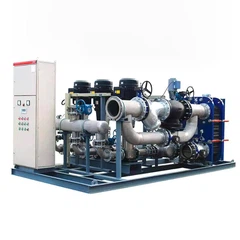
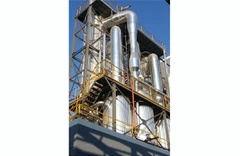
Recycling industrial waste can transform it into reusable materials. This reduces the environmental footprint and promotes sustainability. Technologies like MVR evaporators help in reducing waste volume efficiently.
Implementing best practices in waste disposal can lead to significant cost savings. It also improves operational efficiency and enhances a company's reputation. Sustainable waste management is not just a regulatory requirement; it's a strategic advantage.
Understanding and adopting these practices is essential for industrial facility operators. It ensures long-term success and contributes to a healthier planet.
Understanding Industrial Liquid Waste
Industrial liquid waste comes from numerous sources and processes. Understanding its composition and origins is vital for effective disposal. This knowledge enables the selection of appropriate treatment methods.
Key types of industrial liquid waste include:
- Chemical Waste: Produced from manufacturing processes.
- Oil and Grease: Common in automotive and machinery operations.
- Wastewater: Generated from cleaning and cooling operations.
Each type poses unique disposal challenges. Chemical waste can be hazardous, while oil needs containment and recycling. Wastewater often requires treatment before disposal to remove contaminants.

Recognizing the characteristics of each waste type ensures compliance with environmental regulations. It also helps in maintaining sustainability. By doing so, companies can mitigate risks associated with improper disposal.
Understanding industrial liquid waste is not only about compliance. It's about contributing to environmental preservation and corporate responsibility. Employing knowledgeable personnel can make the difference in managing waste effectively.
Regulatory Compliance and Environmental Impact
Adhering to regulations is critical for industrial liquid waste disposal. Compliance ensures that operations meet legal requirements and protect the environment. Without it, companies risk significant fines and environmental harm.
Regulations like the EPA guidelines set standards for disposal. These regulations aim to prevent water and soil contamination. Companies must understand these rules to operate responsibly.
Key compliance requirements include:
- Monitoring waste disposal processes.
- Regularly reporting waste management activities.
- Implementing proper treatment methods.
Failure to comply can damage ecosystems and a company's reputation. Proper compliance not only protects nature but also enhances business credibility. Businesses that prioritize environmental impacts gain community trust. Sustainable practices often bring long-term financial benefits. By following regulatory requirements, companies support both ecological protection and their operational success.

Common Methods for Industrial Liquid Waste Disposal
Various methods are available for industrial liquid waste disposal. Each method has distinct advantages and is suitable for different types of waste. Selecting the appropriate method depends on the waste's nature and volume.
On-site treatment is a popular option. Facilities can use technologies like filtration and chemical treatment to process waste. These methods allow companies to treat waste directly at their facilities, reducing transportation costs.
Off-site disposal is another common approach. In this case, waste is transported to specialized treatment centers. These facilities have advanced equipment to handle complex waste materials safely and effectively.
Key disposal methods include:
- Filtration systems for solid-liquid separation.
- Chemical treatment for neutralizing hazardous substances.
- Bioremediation for using microorganisms to degrade waste.
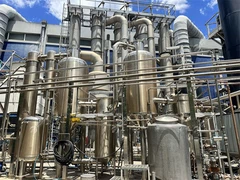
Evaporation techniques are also effective in reducing waste volume. Technologies like MVR evaporators concentrate liquid waste, making disposal easier. By using these methods, companies can enhance their waste management processes. Proper disposal not only complies with regulations but also minimizes environmental impact.

The Role of Technology: MVR Evaporators and Advanced Solutions
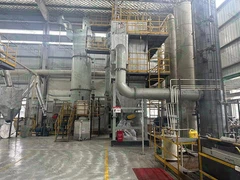
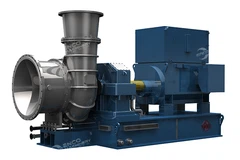
Technology plays a crucial role in efficient industrial liquid waste disposal. Advanced solutions like MVR (Mechanical Vapor Recompression) evaporators are gaining popularity. These systems are efficient at reducing liquid waste volume, thus lowering disposal costs.
MVR evaporators work by reusing energy from steam. This process improves energy efficiency and decreases environmental impact. Such systems are suitable for various industries and types of waste.
Other innovative technologies are also being used. Automated monitoring systems and real-time data provide valuable insights. This technology helps in adjusting processes for better outcomes.
Key technological advancements include:
- MVR evaporators for reducing waste volume.
- Automated systems for real-time monitoring.
- Advanced filtration methods for improved waste separation.
Investing in these technologies ensures better compliance and sustainability. As technology evolves, waste management becomes more effective and environmentally friendly.
Industrial Waste Recycling: Turning Waste into Resources
Industrial waste recycling offers a sustainable solution for managing liquid waste. By converting waste into reusable materials, companies can reduce environmental impact and save on costs. This process supports the circular economy model, promoting sustainability and efficiency.
Recycling involves sorting and processing waste into valuable products. This can include recovering precious metals or treating wastewater for reuse. Each step in the recycling process helps decrease the need for raw materials, further benefiting the environment.
Key recycling benefits include:
- Reduced environmental footprint.
- Lower disposal costs.
- Conservation of natural resources.

By Nathan Cima (https://unsplash.com/@nathan_cima)
Embracing recycling as part of waste management can enhance corporate sustainability goals. Companies gain a competitive edge by demonstrating commitment to environmental responsibility. Such practices improve not only ecological outcomes but also business reputations.
Implementing a Sustainable Waste Management Program
Creating a sustainable waste management program is vital for industrial operations. It begins with understanding the types of waste produced and evaluating current disposal methods. An assessment helps identify areas for improvement and optimization.
Developing a comprehensive plan ensures effective waste reduction. This plan should include setting measurable goals, assigning responsibilities, and outlining monitoring procedures. It's essential to integrate waste management into broader business strategies for lasting impact.
Key components of a successful program include:
- Employee training on proper waste practices.
- Collaboration with certified disposal partners.
- Regular audits for continuous improvement.
Fostering a culture of sustainability within the company is crucial. Engage employees by encouraging eco-friendly initiatives and rewarding innovative solutions. Through proactive involvement, the entire organization contributes to a cleaner environment. Adopting a holistic approach ensures the waste management program is sustainable and effective long-term.
Best Practices for Ongoing Monitoring and Improvement
Continuous improvement is key in managing industrial liquid waste. Regular monitoring ensures compliance with regulations and identifies opportunities for optimization. Tracking waste disposal processes helps minimize environmental impact.
Implementing a structured monitoring program involves various steps. First, use technology like automated systems for real-time tracking of waste streams. Next, perform frequent audits to assess process efficiencies and compliance.
Some best practices include:
- Analyzing disposal data for trends.
- Updating procedures based on audit findings.
- Engaging stakeholders in continuous improvement discussions.
Fostering a culture of continuous improvement is vital. Encourage feedback from employees to identify new ways to enhance waste management practices. By doing so, industries can achieve greater efficiency and sustainability in waste disposal activities.
Conclusion: The Future of Industrial Liquid Waste Disposal
The future of industrial liquid waste disposal hinges on innovation and sustainability. As technology advances, industries will find more efficient and eco-friendly solutions. Embracing change is crucial to success.
Sustainable practices should become standard, not the exception. By focusing on reducing waste and increasing recycling, industries can achieve long-term environmental goals. A commitment to innovation will drive progress in waste management, benefiting both businesses and the planet.