








Industrial Water Wastewater Treatment Systems-Leading Manufacturer
Industrial wastewater treatment systems are vital for managing the byproducts of industrial processes. These systems ensure that wastewater is treated before being released into the environment.
Effective treatment reduces pollutants and contaminants, safeguarding ecosystems and public health. Industries face strict regulations, making compliance essential to avoid penalties.
Advanced technologies like MVR evaporators and RO systems enhance treatment efficiency. These technologies help industries achieve sustainable water management goals.
Customization of treatment systems is crucial to meet specific industry needs. From food processing to pharmaceuticals, each sector requires tailored solutions.
Leading manufacturers offer a range of systems, from basic to complex. Their expertise ensures optimal performance and compliance with environmental standards.
The integration of smart technologies improves monitoring and operational efficiency. This innovation is key to future advancements in wastewater treatment.
Collaboration with experienced manufacturers is essential for effective solutions. They provide the necessary support and training for successful implementation.

Understanding Industrial Wastewater Treatment Systems
Industrial wastewater treatment systems are engineered to treat large volumes of wastewater generated by industries. These systems play a crucial role in removing pollutants before the water is released back into the environment.
Industries produce various contaminants, including chemicals, heavy metals, and organic matter. Without proper treatment, these can harm ecosystems and human health. Ensuring adequate treatment thus becomes essential.
Key processes in industrial wastewater treatment include physical, chemical, and biological methods. Each method targets different types of contaminants, ensuring comprehensive treatment.
Typical Treatment Methods:
- Physical methods: Filtration and sedimentation
- Chemical methods: Coagulation and flocculation
- Biological methods: Aeration and activated sludge
The choice of methods depends on the industry type and wastewater characteristics. For instance, chemical plants might require more chemical methods than food processing facilities.
The effectiveness of wastewater treatment systems also depends on factors like system design, operation, and maintenance. A well-designed system optimizes the treatment process, ensuring compliance with regulations.
Industrial wastewater systems are not one-size-fits-all solutions. Customization is key to addressing specific needs and achieving maximum efficiency. Manufacturers work closely with industries to develop tailor-made systems.
In conclusion, understanding how industrial wastewater treatment systems operate is pivotal. This knowledge helps industries choose and maintain the right system, ensuring sustainability and regulatory compliance.
Why Industrial Wastewater Treatment Is Essential
Industrial wastewater treatment systems are vital for protecting the environment. They help prevent harmful contaminants from entering water bodies. This protection safeguards aquatic ecosystems and human health.
Industries that fail to treat wastewater properly face significant risks. Untreated wastewater can lead to environmental damage and legal consequences. Many countries impose strict regulations on wastewater disposal.
Proper treatment systems also enable industries to conserve water. By treating and reusing water, they reduce their water usage. This approach supports sustainable water management practices.
Benefits of Industrial Wastewater Treatment:
- Environmental protection
- Regulatory compliance
- Water conservation
Aside from meeting legal requirements, treatment systems can enhance a company's reputation. Companies seen as environmentally responsible gain a competitive edge. They meet consumer demand for sustainable practices.
Ultimately, industrial wastewater treatment is not just about compliance. It's about being a responsible player in protecting the planet. As more industries adopt these systems, the positive impacts multiply, supporting a healthier environment for future generations.
Key Components of Industrial Wastewater Treatment Systems
Industrial wastewater treatment systems comprise several integral components. Each part plays a crucial role in cleaning water effectively. Understanding these components helps in optimizing the treatment process.
Pre-treatment systems are often the first step. They remove large debris and adjust water pH levels. This stage is essential for safeguarding downstream processes.
- Main components typically include:
- Screens and filters: Remove solid particles.
- Chemical dosing systems: Adjust chemical composition.
- Biological treatment units: Break down organic matter.
Screens and filters come in various types and sizes. They ensure that larger solids are captured early on. This helps prevent damage to sensitive equipment.
Chemical dosing systems are equally vital. They introduce specific chemicals to neutralize harmful substances. This process stabilizes the water chemistry before further treatment.
Biological treatment units play a major role in breaking down pollutants. They use microorganisms to degrade organic compounds. This method is both effective and sustainable.
Post-treatment facilities, often the final stage, polish the water. They ensure that treated wastewater meets regulatory standards. Systems can also include advanced processes like ultraviolet disinfection to ensure water safety.
Comprehensive systems can be tailored to specific industry needs. Each component is selected based on wastewater type and volume. By understanding these components, industries can implement more effective treatment solutions, reducing their environmental impact while ensuring regulatory compliance.

Common Technologies in Industrial Wastewater Treatment
Industrial wastewater treatment employs diverse technologies to achieve desired outcomes. Each technology offers unique benefits and is selected based on specific requirements.
Physical, chemical, and biological methods are the core strategies. These methods often work together for complete wastewater treatment. Their integration ensures efficient removal of contaminants.
Physical treatment technologies include:
- Filtration systems to separate solids.
- Sedimentation tanks to settle particulates.
- Flotation units for lighter particles.
Chemical treatments utilize reagents to facilitate reactions. Coagulation and flocculation are typical processes. They aggregate smaller particles into larger clusters for easier removal.
Biological treatments are highly effective for organic matter removal. They involve using microorganisms to digest pollutants. Aerobic and anaerobic processes address different types of effluents.
Emerging technologies making a mark:
- Membrane bioreactors integrating filtration with biological treatment.
- Electrocoagulation using electrical currents for improved contaminant removal.
Advanced oxidation processes (AOP) target refractory compounds. They break down pollutants resistant to traditional methods. Technologies in this category include ozone and UV-based systems.
Ion exchange is another method. It removes ions selectively, beneficial in industries like pharmaceuticals. Activated carbon adsorption captures volatile organic compounds and odors.
Selecting the right technology mix is vital. Decisions are influenced by the wastewater's composition and the industry's specific needs. Integrating multiple technologies often provides the best results.
MVR Evaporator : Energy-Efficient Wastewater Concentration
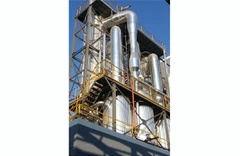
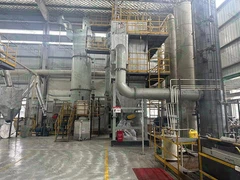
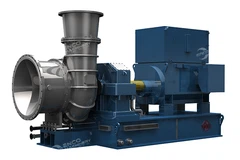
MVR (Mechanical Vapor Recompression) evaporators are key in concentrating wastewater. They recover and reuse energy, enhancing efficiency.
The process involves compressing and reusing vapor. This reduces energy consumption significantly. It makes the MVR evaporator a preferred choice for many industries.
Advantages of MVR evaporators include:
- Lower operational costs due to energy savings.
- Enhanced recovery of valuable resources.
- Reduced environmental footprint.
These systems are particularly beneficial in industries with high water usage. They allow for significant volume reduction. This minimizes waste and supports sustainability goals.
Due to their modular design, MVR evaporators are flexible. They can be customized for various industrial needs. This adaptability makes them suitable for diverse applications.
While the initial investment may be high, long-term savings offset the costs. Industries benefit from lower energy bills and reduced waste disposal fees. By focusing on energy efficiency, MVR evaporators align with sustainable business practices.

RO System : Advanced Water Purification
RO (Reverse Osmosis) systems are renowned for their purification capabilities. They remove dissolved salts and impurities through a semi-permeable membrane.
The technology is effective for desalination and water reuse. RO systems play a vital role in various industries needing high-quality water.
Core benefits of RO systems include:
- High rejection rate of contaminants.
- Versatile applications across industries.
- Improved water quality for reuse.
These systems are essential for maintaining the purity of water. Industries like electronics and pharmaceuticals rely heavily on RO systems.
RO systems require regular maintenance to ensure optimal performance. Membrane fouling is a common issue, needing routine cleaning. Ensuring proper pre-treatment helps prolong membrane lifespan.
Their efficiency has improved with advancements in membrane technology. RO systems today are more energy-efficient and cost-effective. This makes them a staple in modern water treatment strategies.
RO systems not only purify but also enable water recycling. This helps industries reduce their water footprint. As water scarcity concerns grow, RO systems' relevance will only increase.

Treatment Process: From Inflow to Discharge
The treatment process begins as wastewater enters the system. The initial step involves assessing the wastewater's characteristics. Testing helps determine the most suitable treatment methods.
Key stages in the treatment process include:
- Pre-treatment: Screens and grit chambers remove large debris. This stage protects equipment from damage.
- Primary treatment: Sedimentation tanks allow solids to settle. The result is a clarified liquid and concentrated sludge.
- Secondary treatment: Biological processes break down organic matter. Aerobic or anaerobic treatments may be used depending on the waste type.
Following these steps, the water undergoes tertiary treatment. This advanced stage targets remaining contaminants. It often involves filtration and disinfection.
Final polishing is crucial before discharge or reuse. This ensures compliance with regulations. The treated water is safe to release into the environment or reuse within the facility.
Monitoring is integral throughout the process. Sensor technology offers real-time data on system performance. Adjustments can be made quickly to maintain treatment efficacy.
Sludge management is also vital. Stabilizing and dewatering the sludge prepares it for disposal. Some facilities convert it into valuable biogas, promoting sustainability.
Every treatment facility may tailor these steps to their specific needs. Customizing each stage ensures the highest efficiency. By optimizing the whole process, industries meet regulatory requirements and protect natural resources.
Regular staff training aids in maintaining system efficiency. Skilled operators help maintain optimal conditions. Continuous education addresses any knowledge gaps and keeps operations smooth.
Industry-Specific Wastewater Treatment Solutions
Different industries produce varied types of wastewater. Each requires a unique treatment approach. Customization ensures effective pollutant removal.
Industries with specific needs include:
- Food Processing: This industry generates high volumes of organic waste. Treatment systems focus on biological processes to manage the load.
- Pharmaceuticals: Contaminants here are often complex chemicals. Advanced oxidation processes can effectively break these down.
- Chemical Manufacturing: This requires robust systems for hazardous materials. Neutralization and specialized filtration are crucial.
In the textile sector, dye and salt removal is essential. Membrane technologies often play a key role here. These systems ensure efficient reclamation.
Heavy metal contamination is common in mining. Industry-specific solutions often involve chemical precipitation. Tailoring systems for each site optimizes performance.
Each sector also faces its own regulatory challenges. Solutions must meet industry standards. Compliance ensures not only environmental safety but also business continuity.
Top manufacturers provide flexible designs. These cater to evolving regulatory requirements. Collaboration with experts tailors solutions to each facility's needs.
Adapting to industry-specific challenges is ongoing. Continuous innovation in technology aids this adaptability. Integration with existing systems is often seamless.
Ultimately, industry-specific solutions are an investment. They lead to reduced operational costs. Efficient treatment benefits the environment and business alike.
Achieving Zero Liquid Discharge (ZLD) and Water Reuse
Zero Liquid Discharge (ZLD) is the ultimate goal in wastewater treatment. It ensures that no water is discharged into the environment. This process is effective and sustainable.
ZLD systems use advanced technologies. These extract, treat, and recycle all wastewater. Industries benefit from reduced environmental impact.
Key components of ZLD include:
- Evaporation Processes: Remove water from waste streams.
- Crystallizers: Capture and recover solid waste.
- Filtration Systems: Enhance water purity for reuse.
Water reuse is another advantage of ZLD. Treated water returns to the industrial process. This reduces fresh water usage, conserving precious resources.
Achieving ZLD is complex but rewarding. Industries lower operational costs in the long run. The investment leads to sustainable and responsible water management.
Integrating ZLD in existing systems takes expertise. Manufacturers offer support in design and implementation. Proper integration ensures smooth operation without disrupting workflow.
Compliance, Regulations, and Environmental Impact
Compliance with regulations is vital in industrial wastewater management. Governments impose strict rules to protect water resources and ecosystems. Non-compliance can lead to heavy fines and reputational damage.
Environmental regulations are continuously evolving. Industries must stay updated to ensure adherence. Adapting to new rules requires flexibility and foresight.
Key regulatory considerations include:
- Discharge Permits: Required for releasing treated water.
- Emission Standards: Limits on pollutants allowed.
- Monitoring Requirements: Regular checks to ensure ongoing compliance.
The environmental impact of untreated wastewater is significant. Pollutants harm aquatic life and degrade ecosystems. Effective treatment minimizes these negative effects. Industries can contribute to sustainable development through proper wastewater management.
Employing efficient treatment systems aligns with corporate social responsibility. It showcases commitment to preserving natural resources. This approach not only benefits the environment but also enhances corporate reputation.
Innovations and Trends in Industrial Wastewater Treatment
Technological advances are reshaping wastewater management. Industries are adopting new methods for efficiency and sustainability. These innovations optimize processes and reduce costs.
A significant trend is the integration of smart technologies. IoT devices and sensors are widely used for real-time monitoring and control. They enhance operational efficiency by providing instant data.
Emerging trends include:
- Artificial Intelligence: Predictive analytics for maintenance.
- Advanced Membrane Technologies: Improved separation processes.
- Sustainable Practices: Water reuse and resource recovery.
The focus is shifting towards sustainability. Industries aim to minimize their water footprint through water reuse. Technologies that facilitate zero liquid discharge are gaining traction. The future holds promise for greener and more efficient systems.
Innovations drive the industry forward. They provide solutions to evolving challenges. Staying updated with trends ensures that industries remain competitive and compliant in the long term.
Selecting the Right Manufacturer for Your Water Treatment Needs
Choosing a manufacturer for water treatment systems is crucial. The right partner provides tailored solutions that meet your specific requirements. It's important to assess their track record and expertise in the field.
When selecting a manufacturer, consider the following:
- Experience: Years in the industry and past projects.
- Technology Offerings: Range of systems like RO and MVR evaporators.
- Support Services: Training, maintenance, and after-sales service.
Trustworthy manufacturers offer comprehensive support and innovative technologies. They help in designing systems that are cost-effective and efficient. Collaborating with experienced providers ensures compliance and sustainability. This partnership can significantly impact the success of your water treatment strategy.
Case Studies: Successful Industrial Wastewater Treatment Projects
Reviewing case studies from successful projects can be very enlightening. Each project highlights challenges and effective solutions.
In one notable case, a food processing plant struggled with high organic waste levels. The installation of a customized treatment system effectively reduced pollutants. This not only met regulatory standards but also cut costs.
Another example involves a pharmaceutical firm facing stringent effluent guidelines. They employed a multi-stage treatment process, integrating MVR evaporators and RO systems. The strategy achieved zero liquid discharge, ensuring complete regulatory compliance.
Key takeaways from these projects include:
- Customization is Key: Tailored solutions address specific industry challenges.
- Efficiency Gains: Advanced technologies enhance water reuse and reduce waste.
- Regulatory Compliance: Meeting standards avoids penalties and boosts sustainability.
A chemical manufacturing company also demonstrated the power of strategic planning. By collaborating with a leading manufacturer, they optimized their treatment processes. This collaboration provided not only environmental benefits but significant financial savings as well.
These case studies underscore the importance of innovation and collaboration. They serve as benchmarks for industries aiming to improve their wastewater management practices.
Maintenance, Monitoring, and Support
Proper maintenance of industrial wastewater treatment systems ensures longevity and efficiency. Regular checks prevent unexpected failures. Systematic upkeep reduces downtime and costs.
Monitoring plays a crucial role in system performance. Real-time data collection helps detect issues early. This proactive approach enhances operational efficiency.
Manufacturers often provide essential support services. These include:
- Technical Assistance: Expert guidance to address technical challenges.
- Training Programs: Equip staff with operational and maintenance skills.
- Remote Support: Immediate troubleshooting via online platforms.
Support from experienced manufacturers extends beyond installation. Continuous service ensures systems adapt to evolving industry needs. This ongoing partnership fosters effective wastewater management strategies.
Frequently Asked Questions (FAQ)
Choosing the right industrial wastewater treatment system can be complex. Here are some FAQs to help guide your decisions.
What is the primary function of these systems? Industrial wastewater treatment systems reduce contaminants in wastewater. They ensure the safe discharge of effluents.
Why is regular maintenance necessary? Routine maintenance guarantees optimal performance and extends the lifespan of the system
.
What technologies are commonly used? Common technologies include MVR evaporators and RO systems. Both are crucial in treating and purifying water efficiently.
How do industries benefit from compliance? Compliance with regulations avoids penalties. It also promotes environmental responsibility.
Can treated water be reused? Yes, advanced systems enable water reuse, reducing the overall water footprint.
Where can I get expert support? Leading manufacturers offer comprehensive support, including training and technical assistance.
Conclusion: The Future of Industrial Wastewater Treatment Systems
Industrial wastewater treatment systems are evolving rapidly. Innovations like AI and machine learning are driving progress. These advances promise better efficiency and cost-effectiveness.
Sustainable practices will become central in the future. Leading manufacturers will play a crucial role in developing eco-friendly solutions. The focus will be on water reuse and minimal environmental impact.