








Why Does a Freeze Dry Machine for Candy Transform Production Efficiency?

The confectionery industry has undergone a significant shift in recent years. Consumers demand unique textures, long shelf life, and preservative-free snacks. Among the technologies meeting these demands, the freeze dry machine for candy stands out as a game-changer. By removing moisture under low temperature and vacuum conditions, this equipment preserves flavor, color, and structure in a way that conventional drying cannot.
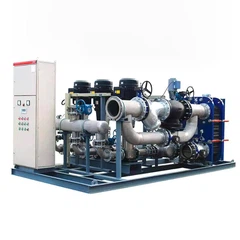
For manufacturers, the decision to adopt freeze-drying technology involves understanding not only product benefits but also operational challenges, cost structures, and integration with other systems like fluidized bed dryer units and mvr evaporator technology. This article explores product usage, common problems, and customer pain points, providing insights that matter for serious buyers and operators.
1. Product Usage in Confectionery Manufacturing
Moisture Removal and Shelf Stability
A freeze dry machine for candy reduces water activity to levels below 0.3, preventing microbial growth and extending shelf life from weeks to months. Unlike oven drying, freeze-drying retains more than 95% of original flavors and preserves candy's crunchy or airy texture.
Texture Creation
Manufacturers often use this technology to create light, crisp variations of gummy bears, marshmallows, or chewy sweets. The sublimation process avoids structural collapse, producing candies with unique appeal that boost market differentiation.
Process Integration with Other Systems
While freeze-drying excels in final product quality, facilities often pair it with other drying and concentration systems.
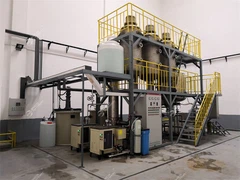
- A fluidized bed dryer is frequently applied for intermediate drying steps, where warm air keeps particles suspended and evenly dried. This is effective for powdered coatings or granulated sugar layers on candies.
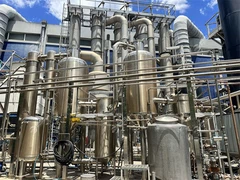
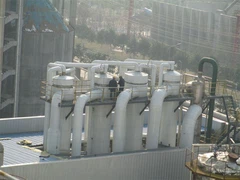
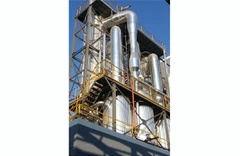
- An mvr evaporator (mechanical vapor recompression) can be used upstream to concentrate sugar syrups before they are shaped into candy. By recycling vapor energy, it reduces steam consumption by up to 80%, lowering overall energy costs.
2. Common Application Scenarios
Premium Candy Brands
Artisanal and specialty candy producers use freeze-drying to create premium, novelty products. These candies often sell at higher margins because of their unique taste and crunch.
Export-Oriented Production
Extended shelf life without added preservatives makes these products attractive in international trade. Freeze-dried candies withstand long shipping and varied climates, ensuring consistency at the point of sale.
Functional and Nutritional Sweets
Vitamin-fortified gummies and protein candies maintain bioactive compounds better when processed in a freeze dry machine for candy, supporting the functional food segment.

3. User Pain Points
High Capital Investment
Freeze-dry machines cost significantly more than conventional dryers. Entry-level units for small-scale candy production may cost $50,000–$100,000, while industrial models can exceed $500,000. For many businesses, justifying this expense requires clear ROI analysis.
Long Cycle Times
A full freeze-dry cycle can last 20–36 hours depending on batch size and water content. This slow throughput creates bottlenecks if not managed with proper scheduling or parallel equipment lines.
Energy Consumption
Although energy use per unit product is lower than expected due to quality retention, freeze-drying still requires large refrigeration and vacuum systems. By comparison, a fluidized bed dryer consumes less energy but cannot deliver the same texture or shelf life.
Technical Expertise Requirement
Operating a freeze dry machine for candy demands trained staff familiar with vacuum pressure control, sublimation rates, and product handling. Poorly set parameters can result in collapsed, sticky, or unevenly dried candy.
4. Common Problems and Troubleshooting
Problem: Sticky Candy Surface
- Cause: Incomplete sublimation or inadequate secondary drying stage.
- Solution: Extend drying phase or improve shelf temperature control to ensure final moisture is below 2%.
Problem: Uneven Drying Within a Batch
- Cause: Poor tray loading or inconsistent vacuum pressure.
- Solution: Use uniform tray thickness (<15 mm product layer) and maintain stable chamber vacuum.
Problem: Excessive Energy Bills
- Cause: Inefficient refrigeration systems or lack of energy recovery integration.
- Solution: Combine the freeze dryer with mvr evaporator units in upstream syrup preparation to minimize steam usage and total plant energy footprint.
Problem: Machine Downtime
- Cause: Ice buildup on condenser coils, pump failure, or poor maintenance.
- Solution: Implement preventive maintenance every 1,000 operating hours, monitor oil levels in vacuum pumps, and defrost condensers regularly.

5. User Experience and Expectations
Candy manufacturers adopting freeze-drying often expect:
- Consistency: Each batch must deliver identical crunch and taste.
- Scalability: Ability to scale from pilot units to multi-ton production lines.
- Market Differentiation: New product formats that justify premium pricing.
In comparison, while a fluidized bed dryer offers faster cycles for coatings and powders, it cannot replace freeze-drying in applications where sensory quality defines value. Similarly, the mvr evaporator reduces syrup concentration costs but is not a substitute for moisture removal in finished candy.
6. Strategic Considerations Before Adoption
Cost-Benefit Analysis
Investing in a freeze dry machine for candy pays off if positioned in markets where consumers pay premiums for novelty and shelf stability. Manufacturers should calculate ROI based on projected sales margins versus added capital and energy costs.
Facility Layout and Integration
Freeze-dry systems require dedicated space with proper insulation and access for maintenance. Integration with other units like fluidized bed dryer or mvr evaporator should be considered during facility design to maximize efficiency.
Regulatory Compliance
For food-grade operations, materials must comply with FDA or EU regulations. Clean-in-place (CIP) systems, stainless steel surfaces, and HACCP documentation are mandatory for large-scale adoption.
7. Looking Ahead: Technology Trends
Continuous Freeze-Drying
Future developments aim at continuous conveyor-based freeze dryers to reduce cycle time and increase throughput for candies.
Hybrid Systems
Some facilities experiment with combining a fluidized bed dryer for pre-drying and a freeze dryer for final finishing, reducing total cycle length by up to 30%.
Sustainability Integration
Coupling freeze dryers with mvr evaporator technology aligns with sustainability goals by cutting energy use across the production chain, an increasingly critical factor in global food manufacturing.
Conclusion: Does Freeze-Drying Define the Future of Candy?
The freeze dry machine for candy provides unmatched product quality, enabling manufacturers to innovate with new textures, longer shelf life, and preservative-free formulations. While challenges such as high cost, energy demand, and long cycle times remain, integration with supporting systems like fluidized bed dryer and mvr evaporator offers a pathway toward efficiency and sustainability.
For producers ready to invest, freeze-drying is not merely a processing option-it is a market differentiation tool that directly impacts consumer experience and business profitability.