









What Is a Reverse Osmosis Desalination System and How Does It Work?
Reverse osmosis desalination systems are vital in today's world. They transform seawater into drinkable water. This process is crucial for regions with limited freshwater resources.
These systems use a semi-permeable membrane. Water is forced through it, leaving salts and impurities behind. Research from the International Desalination Association confirms this method achieves salt rejection rates exceeding 99.5% (IDA,2024).This method is highly effective for water purification.
Desalination plants rely on reverse osmosis technology. They are found worldwide, especially in arid areas. These plants help address global water scarcity.
Energy consumption is a key factor in these systems. High pressure is needed to push water through the membrane. Advances in technology have improved efficiency.
Brine disposal is a challenge in reverse osmosis desalination. It requires careful management to minimize environmental impact. Despite this, the process is more eco-friendly than other methods.
Reverse osmosis systems are adaptable. They can be used for seawater and brackish water. This flexibility makes them essential for sustainable water solutions.

Understanding Reverse Osmosis Desalination Systems
Reverse osmosis desalination systems play a critical role in modern water purification. They are at the heart of many desalination plants today. Understanding how they work helps in appreciating their impact.
At its core, reverse osmosis (RO) separates salt from seawater. The system uses pressure to move water through a membrane. This removes salts and impurities, creating fresh water.
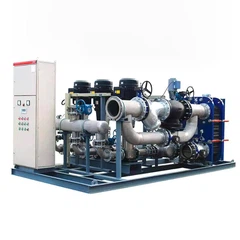
RO desalination systems comprise several components. These include high-pressure pumps, membranes, and pretreatment units. Each part has a distinct function in the process.
The effectiveness of RO systems depends on various factors. Membrane quality is paramount. Operational conditions also play a significant role in the system's performance. According to research from the American Membrane Technology Association, membrane lifespan typically ranges from 5-7 years under optimal operating conditions (AMTA, 2023).
Key features of reverse osmosis desalination systems include:
- Removal of up to 99% of dissolved salts
- High efficiency in water purification
- Adaptability to different water sources
- Environmental friendliness compared to other methods
Advances in RO technology have increased its efficiency. Enhanced membrane materials and innovative designs now lower energy consumption. These improvements have expanded the application of RO desalination systems.
The global demand for freshwater makes RO essential. It's become a part of integrated water management strategies. Countries worldwide rely on RO systems to bolster their water supply.
Desalination plants using RO technology are especially common in arid regions. They ensure a reliable supply of clean water. This is particularly vital where natural resources are scarce.
Understanding these systems' operation and benefits underscores their importance. RO desalination not only provides fresh water but also contributes to sustainable water management. This makes it a crucial technology for the future.
The Science Behind Reverse Osmosis: How It Works
Reverse osmosis operates on a simple scientific principle. It uses pressure to separate water from dissolved solids like salts. The process effectively turns seawater into drinkable water.
A semi-permeable membrane is central to reverse osmosis. This membrane allows water molecules to pass through. However, it blocks larger molecules such as salts and contaminants.
The system begins with applying high pressure to seawater. This pressure forces water through the membrane. As a result, pure water is separated from dissolved salts and impurities.
The reverse osmosis process involves several key stages:
Pretreatment: Removes large particles and bacteria to protect the membrane.
High-pressure pump: Increases pressure to move water across the membrane.
Membrane separation: Filters out salts and impurities.
Post-treatment: Adjusts water pH and removes any final impurities.
The pressure required depends on water salinity. Seawater needs more pressure than brackish water. This is because seawater contains higher salt content, making it more difficult to purify.
Energy consumption is significant in the RO process. However, technological advances have optimized energy use. Energy recovery devices now recapture energy, making the system more efficient.
Efficiency in RO desalination depends on the membrane's quality. High-quality membranes enhance the separation process. This results in greater recovery of fresh water from saline sources.
Environmental factors can impact the RO system's performance. Temperature and water chemistry influence efficiency and energy requirements. Properly managing these factors ensures optimal operation.
Reverse osmosis remains one of the most effective water purification methods. The science behind it is straightforward yet powerful. This makes reverse osmosis indispensable in global water purification efforts.
Key Components of a Reverse Osmosis Desalination System
A reverse osmosis desalination system comprises several essential parts. Each component plays a unique role in purifying water. Together, they create a highly effective water purification system.
Core components include:
- Pre-treatment units: These safeguard the membrane by removing large particles and bacteria.
- High-pressure pumps: Necessary to apply sufficient force for filtration through the membrane.
- Semi-permeable membranes: Critical for separating water from salts and contaminants.
- Post-treatment systems: Adjusts water quality, ensuring it is safe for consumption.
- Control and monitoring systems: These regulate operations to maintain efficiency and safety.
Pre-treatment is the initial step and is crucial. It helps to prevent membrane fouling and prolongs its lifespan. Effective pre-treatment enhances the overall system's efficiency.
The high-pressure pump is vital as it generates the force needed to push water through the membrane. Its performance influences energy consumption and process efficiency. As such, energy-efficient pumps are often used.
Semi-permeable membranes are the heart of the RO system. They are designed to selectively allow water molecules to pass while blocking impurities and salts. Their quality determines the system's effectiveness.
Post-treatment includes pH adjustment and final filtration. This step ensures that the water meets health and safety standards. Control systems automate and optimize these processes to guarantee consistent water quality.
These components, when integrated, provide a comprehensive solution for transforming saline water into fresh, potable water. Understanding each part's function is key to appreciating the system's overall efficiency.
The Reverse Osmosis Desalination Process Step by Step
The reverse osmosis desalination process is a marvel of modern engineering. It methodically transforms seawater into drinkable water. This intricate process can be broken down into several sequential steps.
1. Initial Water Intake:
The process begins with water intake from the sea or other saline sources. This step involves filtering out large debris and marine organisms. It's an essential first stage for protecting equipment and ensuring smooth operation.
2. Pre-treatment:
Once the water is collected, it undergoes pre-treatment. This step includes the removal of sediments, large particles, and organic substances. It helps to protect the membranes from clogging or fouling. Research from the National Renewable Energy Laboratory emphasizes that proper pretreatment can reduce membrane fouling by up to 70% (NREL, 2023).
3. High-Pressure Pumping:
The pre-treated water is then subjected to high-pressure pumping. High-pressure pumps force water through the RO membranes. The pressure needs to overcome the natural osmotic pressure of the saline water.
4. Membrane Filtration:
As water moves through the semi-permeable membrane, salt and impurities are removed. The membrane allows only water molecules to pass through. This stage yields purified, desalinated water.
5. Post-Treatment:
The filtered water undergoes post-treatment to adjust properties like pH. This ensures that the water is safe and palatable. Any necessary disinfection also occurs at this stage.
6. Storage and Distribution:
The potable water is stored in tanks ready for distribution. From here, it is delivered to homes, businesses, and industries. Storage ensures a steady supply of fresh water.
7. Brine Disposal:
Brine, the byproduct of the process, is managed carefully. It's typically returned to the sea or managed in special facilities. Brine management is crucial to minimize environmental impact.
8. Monitoring and Maintenance:
Continuous monitoring ensures system efficiency and water quality. Regular maintenance of equipment is crucial for sustainable operation. These steps ensure that the system operates efficiently over its lifespan. Data from the International Desalination Association shows that predictive maintenance systems can reduce downtime by 25-35% (IDA, 2024).
Pretreatment: Preparing Water for Reverse Osmosis
Pretreatment is a crucial stage in the reverse osmosis desalination system. It serves to protect the integrity of the membranes. Without proper pretreatment, the system's efficiency could be compromised.
The Purpose of Pretreatment:
Pretreatment primarily aims to remove suspended solids. These solids can clog and foul the RO membranes. It also involves adjusting chemical properties to prevent scaling.
Key Pretreatment Steps:
- Coagulation and Flocculation: These processes group small particles into larger ones. This makes them easier to remove by filtration.
- Sedimentation: The gathered particles settle out of the water. It reduces the load on subsequent filter systems.
- Filtration: Sand or cartridge filters are used to further clean the water. They remove remaining particles before reaching the RO membranes.
Chemical Adjustments:
Chemical treatment is used to soften the water. Anti-scalants may be added to inhibit mineral deposits. pH adjustment ensures optimal conditions for filtration.
Importance of Pretreatment:
Effective pretreatment extends membrane life and improves water quality. It prevents frequent maintenance, thus reducing operational costs. Proper care at this stage fosters efficient and sustainable desalination.

Membrane Technology: The Heart of RO Desalination
Membranes are the core of any reverse osmosis system. They enable the crucial separation of water from salts and impurities. Their design and material determine the system's overall performance.
Composition and Functionality:
RO membranes are typically made from thin-film composite materials. These materials allow them to operate under high pressure. The membranes contain tiny pores which trap unwanted molecules.
Types of RO Membranes:
Several types of membranes are used based on specific needs:
- Thin-Film Composite Membranes (TFC): Known for high salt rejection and durability.
- Cellulose Acetate Membranes: Offer a moderate level of filtration.
- Nanofiltration Membranes: Capable of removing larger molecules but not salts.
Critical Innovations:
Improvements in membrane technology focus on enhancing efficiency and reducing costs. Membranes are now more resistant to fouling. This extends their operational life and reduces replacement frequency.
Significance to Desalination:
The effectiveness of RO desalination hinges on membrane quality. Advanced membranes can improve desalination rates and lower energy requirements. Investing in cutting-edge membrane technology results in more sustainable water purification solutions.
Energy Consumption and Efficiency in RO Desalination
Reverse osmosis desalination requires significant energy input, primarily to generate the high pressure needed. This pressure forces water through the semi-permeable membranes. Managing energy usage is critical for the economic viability of desalination plants.
Energy Usage Factors:
Various factors influence energy consumption in RO systems:
- Water Temperature: Warmer water reduces energy needed.
- Membrane Efficiency: Advanced membranes lower energy demand.
- System Design: Efficient layouts minimize energy waste.
Innovative Energy-Saving Technologies:
Recent innovations have led to energy recovery devices. These devices capture energy from the system's reject stream. This reclaimed energy is then reused, cutting down overall consumption substantially.
Importance of Efficiency:
Energy efficiency translates to cost savings and environmental benefits. By improving energy efficiency, desalination plants can offer more sustainable solutions to water scarcity. Optimizing every part of the system is key to achieving better efficiency.
Continued Improvements:
Research continues to focus on lowering the energy footprint of reverse osmosis systems. From optimizing system operations to creating superior membranes, each advancement contributes to reduced energy costs. This ensures desalination remains a viable option for freshwater supply.
Brine Disposal and Environmental Considerations
One of the main challenges of reverse osmosis desalination is brine disposal. Brine is the concentrated saltwater left after freshwater extraction. It contains high levels of salt and other dissolved materials.
Environmental Concerns:
Improper brine disposal can harm marine life. The increase in salinity can disturb ecosystems. It is crucial to manage disposal in an environmentally friendly manner.
Methods for Brine Disposal:
Several techniques help reduce the environmental impact of brine:
- Dilution with Seawater: Lowers salinity before release.
- Deep-Well Injection: Safely disposes of brine underground.
- Brine Treatment: Extracts useful salts and reduces toxicity.
Regulations require desalination plants to implement sustainable disposal methods. Monitoring systems ensure compliance with environmental standards. These efforts help mitigate the ecological footprint of desalination operations.
Future Developments:
Innovations are ongoing to improve brine management. Researchers explore new ways to repurpose brine, turning a challenge into an opportunity. Advancements in brine treatment and utilization continue to evolve, providing promising solutions.
Applications of Reverse Osmosis Desalination Systems
Reverse osmosis desalination systems are versatile. They serve various purposes in both public and private sectors. Their primary role is to provide clean, potable water in areas with limited freshwater availability.
Public Use:
Municipalities often rely on desalination plants for water supply. Cities in arid regions benefit significantly from these systems. They provide a steady water supply to meet daily needs.
Industrial Applications:
Industries also utilize reverse osmosis for water purification. Power plants, refineries, and manufacturing units employ these systems for process water. Clean water is essential for operations and product quality.
Key Applications Include:
- Seawater Desalination: Conversion of seawater to drinking water.
- Industrial Water Purification: Enhancing water quality for various industries.
- Brackish Water Treatment: Suitable for inland areas with saline groundwater.
Reverse osmosis supports agricultural irrigation too. Farmers use these systems to improve the quality of water for crops. The technology is crucial in ensuring food security and sustainability in water-scarce regions.
Innovations and Advances in RO Desalination Technology
Reverse osmosis desalination technology continues to evolve. Recent innovations focus on improving efficiency and reducing environmental impact. The goal is to make the systems more cost-effective and sustainable.
Advanced membrane materials are a key innovation area. New materials offer higher salt rejection rates and require less energy. They improve overall system performance significantly.
Notable Advances:
Nanotechnology: Enhancing membrane durability and filtration ability.
Energy Recovery Devices: Reducing energy use in desalination plants.
Modular Design: Allowing easy expansion of desalination facilities.
Automation and digital monitoring also drive advances. These tools optimize system operations and maintenance. Real-time data helps in detecting and fixing issues promptly. With these innovations, reverse osmosis desalination is poised to play an even greater role in global water management solutions. These advancements ensure a steady, clean water supply for various uses, contributing to sustainability efforts worldwide.
Economic Factors and Cost of RO Desalination
The economics of reverse osmosis desalination systems are crucial in their deployment. The cost has significantly decreased due to technological progress and scale. However, several factors still influence the overall expenses of these systems.
Energy consumption remains one of the highest costs in operation. By investing in energy-efficient technologies, plants can lower this burden. Initial setup and maintenance expenses also play a critical role in overall feasibility.
Key Economic Influences:
- Energy Costs: Affecting ongoing operational expenses.
- Technological Investment: Advanced materials and systems reduce long-term costs.
- Scale of Operation: Larger plants often achieve economies of scale.
The cost-efficiency of reverse osmosis continues improving with innovation. More accessible pricing allows broader application worldwide. As costs become more competitive, investment in these systems increases, supporting global efforts to address water scarcity. Understanding the economic factors of reverse osmosis desalination is vital. It helps determine the viability and potential of projects focused on sustainable water solutions.

Challenges and Limitations of Reverse Osmosis Desalination
Despite its advantages, reverse osmosis desalination systems face several challenges. One primary issue is the substantial energy requirement. High-pressure operations demand significant energy, impacting cost and sustainability.
Membrane fouling is another limitation, reducing efficiency and increasing maintenance needs. This occurs when particles accumulate on the membrane, obstructing water flow. Periodic cleaning and replacement are necessary to maintain performance.
Primary Challenges of RO Desalination:
- Energy Demand: High consumption affects operational costs.
- Membrane Fouling: Leads to increased maintenance and reduced efficiency.
- Brine Disposal: Environmental impact challenges sustainability efforts.
Additionally, the disposal of brine, a byproduct, poses environmental concerns. Proper management and disposal solutions are critical. The brine's high salinity can harm marine life if not handled correctly.
While these challenges exist, ongoing research and innovation aim to mitigate them. Advances in membrane technology and energy recovery are promising. They offer potential solutions to enhance efficiency and sustainability in reverse osmosis desalination.
The Role of RO Desalination in Sustainable Water Solutions
Reverse osmosis (RO) desalination plays a crucial role in addressing global water scarcity. Its ability to convert seawater into potable water makes it essential. Many arid regions rely on desalination plants to meet their water needs.
The process is environmentally friendly compared to other methods. RO systems emit fewer greenhouse gases, contributing to sustainable practices. Advances in technology continue to reduce energy consumption, enhancing their viability.
Key Contributions of RO Desalination:
Freshwater Production: Converts seawater efficiently.
Reduced Environmental Impact: Minimal greenhouse emissions.
Technological Advancements: Improved energy efficiency.
Desalination using RO is part of integrated water management. It supports resilience in water supply, ensuring reliable access. As climate change intensifies, the importance of these systems grows. They offer a pathway to sustainable water use on a global scale. Through continued innovation, RO desalination systems promise to be a pivotal solution in the pursuit of clean, accessible water for all.
Future Trends and the Growing Importance of RO Desalination
The demand for reverse osmosis (RO) desalination systems is on the rise. As freshwater sources dwindle, the need for reliable alternatives grows. Technological advancements make RO systems more efficient and accessible.
Emerging trends focus on reducing energy use and enhancing membrane technology. Smart systems are being developed to optimize performance and reduce waste. These innovations promise to make desalination more sustainable and cost-effective.
Anticipated Developments in RO Desalination:
- Enhanced Membrane Durability: Longer-lasting, more effective membranes.
- Energy-efficient Processes: Innovations to reduce operational costs.
- Integration with Renewable Energy: Using solar and wind power.
As these trends continue, RO desalination will become even more vital in securing global water supplies. Its role in sustainable water management is poised to expand significantly in the coming years.
Frequently Asked Questions About Reverse Osmosis Desalination
What is reverse osmosis desalination? Reverse osmosis desalination is a process that removes salts and impurities from seawater. It uses a semi-permeable membrane to filter water.
How efficient is the system? These systems can remove up to 99% of dissolved salts and contaminants. They provide high-quality freshwater suitable for drinking and industrial use.
What are the primary energy concerns? RO desalination requires significant energy to pump water through the membranes. Innovations in energy recovery aim to lower this requirement.
Is desalination environmentally friendly? The process generates brine, which needs careful disposal. However, it is considered more environmentally friendly than other methods.
Where are these systems commonly used? Desalination plants equipped with RO systems are prevalent in arid regions. They are crucial where fresh water is scarce.
Does RO desalination work with different water sources? Yes, reverse osmosis can be used for both seawater and brackish water. It offers flexible applications across diverse environments.
Common Inquiries:
- Effectiveness in salt removal: Very high
- Energy requirements: Notable
- Environmental impact: Manageable with proper disposal
- Versatility of applications: Yes, across various water types
These answers provide a quick overview of essential reverse osmosis desalination topics. Understanding these points can help in grasping the broader impact of RO technology.
Conclusion: The Impact of Reverse Osmosis Desalination Systems
Reverse osmosis desalination systems play a vital role in providing clean water. They transform seawater into potable water, meeting global demand. The technology reduces water scarcity in many regions.
These systems offer a sustainable solution with minimal environmental impact. Their efficiency continues to improve with technological advancements. According to the United Nations Water Development Report, desalination currently provides less than 1% of global freshwater supply but is expected to reach 14% by 2050, highlighting its growing importance (UN Water, 2024).
Despite challenges like energy consumption, RO systems are widely adopted. They demonstrate the importance of innovation in addressing global water issues. As these systems evolve, they will become even more essential in ensuring water security for future generations.