








Source of high salinity wastewater:
One is the saline wastewater generated by the direct utilization of seawater; The second is the saline wastewater generated in the production process of some industrial industries.
For example, acid-base wastewater, desulfurization wastewater, and reverse osmosis concentrated water generated in high water consuming industries such as electricity and steel, high salinity reverse osmosis concentrated water or ion exchange regeneration waste liquid generated during reverse osmosis preparation in chemical and pharmaceutical industries, saline wastewater generated during landfill leachate or oil and gas extraction and processing, as well as a large amount of wastewater generated in dairy production processes and pickled vegetable industries.
Paul's processing flow:
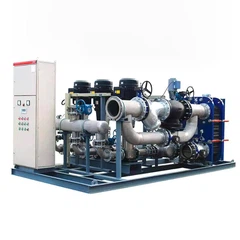
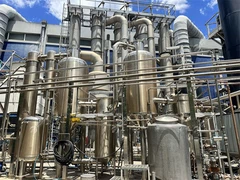
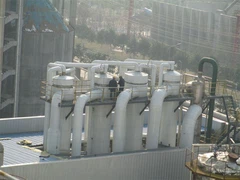
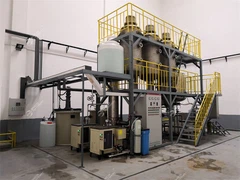
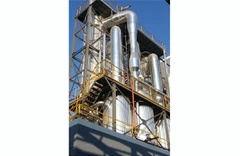
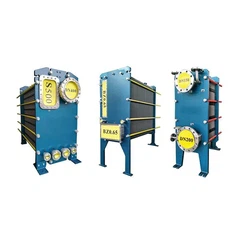
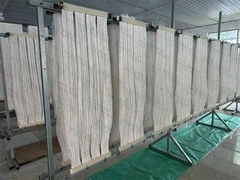
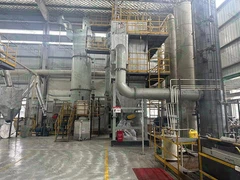
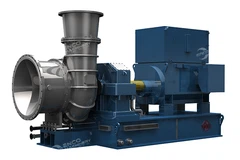
For the treatment of high salt wastewater, TEPCO designs based on the material characteristics of high salt wastewater, using processes such as multi effect evaporation, forced circulation evaporation, and MVR evaporation for treatment.
Characteristics of high salt wastewater: High salt wastewater contains a large amount of salt substances, mainly Cl -, SO42-, Na+, Ca2+and other salt substances. High salt wastewater refers to wastewater containing organic matter and at least 3.5% (mass concentration) of total dissolved solids (TDS).
Difficulties in treating high salt wastewater: When using biological methods to treat high salt wastewater, high concentrations of salt substances have inhibitory effects on microorganisms. Using physicochemical methods for treatment requires high investment, high operating costs, and is difficult to achieve the expected purification effect. Therefore, the current common treatment method is to evaporate and crystallize high salt wastewater.
High Salt Wastewater Treatment Solution
Dec 23, 2023
Leave a message