





Why Industrial Heat Pumps Are Key for Energy Savings
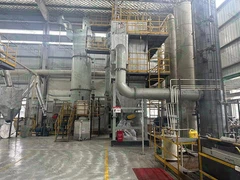
Industrial heat pumps are transforming energy management in various sectors. They provide a sustainable solution for heating needs and are integral to modern energy-efficient systems. These systems offer more than just heating-they are also essential in cooling applications, enabling businesses to save significantly on energy costs by transferring heat efficiently.
By utilizing renewable energy sources, industrial heat pumps contribute to sustainability, making them a vital component in reducing carbon emissions and achieving energy efficiency goals (U.S. Department of Energy [DOE], 2022). This flexibility allows them to be applied in diverse industrial sectors, including food processing, chemical manufacturing, and more, further highlighting their role in achieving corporate sustainability objectives.

Understanding Industrial Heat Pumps: How They Work
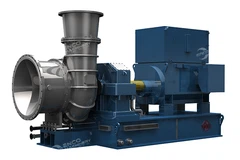
Industrial heat pumps work through a fascinating thermodynamic process. They transfer heat from one medium to another with far less energy than traditional heating systems, making them highly efficient. The mechanism is based on four key components:
- Evaporator: Absorbs heat from the source.
- Compressor: Increases the temperature and pressure of the absorbed heat.
- Condenser: Releases the heat to the desired location.
- Expansion Valve: Reduces pressure and repeats the cycle.
These systems can utilize a variety of heat sources, including air, water, or the ground, making them adaptable to a wide range of industrial needs. Furthermore, industrial heat pumps can be integrated with renewable energy, such as geothermal or solar heat, reducing dependence on fossil fuels and aligning perfectly with today's sustainability goals (International Energy Agency [IEA], 2021).
Such integration also supports the efficient operation of large-scale industrial processes, ensuring a reliable and consistent heating solution essential for maintaining production quality. Understanding how they operate allows industries to leverage the full potential of these systems, leading to substantial energy savings.
The Role of Industrial Heat Pumps in Modern Industrial Heating Systems
Industrial heat pumps have reshaped how heating needs are addressed in modern industrial settings. They have become a cornerstone of industrial heating systems, crucial for efficient manufacturing and processing operations.
By incorporating these systems, industries can achieve several advantages:
- Efficient Heat Transfer: Heat pumps maximize energy use by transferring heat between processes, reducing waste.
- Versatility: Adaptability to various industrial environments, ensuring energy efficiency across different settings.
- Reduced Emissions: Industrial heat pumps contribute significantly to lowering carbon footprints.
These systems ensure that optimal temperatures are maintained consistently, which is critical for high-quality production. Moreover, they help industries comply with environmental regulations by reducing energy consumption, an increasingly important aspect as governments introduce stricter energy standards (Smith et al., 2020).

Key Benefits: Energy Efficiency, Cost Savings, and Sustainability
Industrial heat pumps are synonymous with energy efficiency. Rather than generating heat, these systems transfer it, consuming less energy and dramatically reducing waste. Over time, this energy-efficient operation translates into significant cost savings, lowering utility bills for businesses.
While the initial investment in industrial heat pumps can be considerable, the return on investment is substantial. As companies strive to meet sustainability goals, these systems offer a greener alternative to fossil fuel-based heating methods, significantly reducing greenhouse gas emissions (Wang et al., 2022).
The benefits of using industrial heat pumps include:
- Energy Optimization: Enhanced performance with minimal energy input.
- Cost Reduction: Significant savings in long-term energy expenditures.
- Environmental Benefits: Lower reliance on fossil fuels and reduced carbon emissions.
These systems also enable industries to integrate renewable energy sources such as solar and geothermal, further bolstering sustainability efforts. This integration is key to maintaining a competitive edge in a rapidly evolving industrial landscape, where environmental responsibility and energy efficiency are paramount (International Renewable Energy Agency [IRENA], 2021).
Industrial vs. Commercial Heat Pumps: What's the Difference?
The distinction between industrial and commercial heat pumps is essential to understanding their applications. While both are designed to transfer heat efficiently, industrial heat pumps are tailored for large-scale operations, capable of handling high heat loads in manufacturing processes.
Commercial heat pumps, on the other hand, cater to smaller-scale operations like office buildings and retail spaces. These systems are ideal for facilities with moderate heating and cooling needs. The primary differences between them include:
- Scale of Operation: Industrial systems handle larger loads than commercial heat pumps.
- Capacity and Efficiency: Industrial systems are built to provide higher capacity for substantial heating and cooling needs.
- Application: Industrial systems serve manufacturing processes, while commercial systems are better suited to office and retail environments.
Choosing the right system depends on the heating and cooling requirements specific to a facility.
Advantages of heat pump applications and MVR fields
The innovative coupling of a heat pump and MVR evaporator creates a four-stage energy recovery architecture:
- Upgrading: The heat pump absorbs low-grade waste heat (circulating cooling water/steam condensate) at 30-50°C and outputs a 70-90°C driving heat source.
- Steam latent heat reuse: The MVR mechanical compressor pressurizes secondary steam (ΔT 5-8°C) for latent heat recycling.
- Dual-effect temperature superposition: The heat pump increases baseload temperature, while the MVR fine-tunes temperature rise, resulting in a system COP exceeding 5.2.
- Condensation heat recovery: The 40°C condensate at the evaporation end is preheated by the heat pump to the feedstock, improving energy efficiency by 35%.
|
Application Areas |
Traditional MVR energy consumption |
Heat pump-MVR energy consumption |
Cost reduction |
Applicable heat pump type |
|
Chemical mother liquor concentration |
86kWh/t |
52kWh/t |
39.5% |
Centrifugal high-temperature heat pump |
|
Pharmaceutical waste liquid treatment |
120kWh/t |
78kWh/t |
35% |
Screw cascade heat pump |
|
Food juice purification |
65kWh/t |
41kWh/t |
36.9% |
Vortex hot water heat pump |
|
Zero Discharge (ZLD) System |
140kWh/t |
92kWh/t |
34.3% |
Absorption heat pump |
Technological Breakthroughs
- Corrosion-Resistant Materials
S31254 super austenitic stainless steel heat pump evaporator, resistant to Cl⁻ concentrations up to 200,000 ppm
- Intelligent Defrost Control
Variable Frequency Defrost Technology based on concentrated liquid crystallization point prediction reduces heat loss by 23%
- Pressure Adaptation
VFD-driven scroll compressor achieves stepless load adjustment from 10% to 100% to address evaporator pressure fluctuations
Overcoming Challenges: Integration, Investment, and Maintenance
Like any advanced technology, industrial heat pumps present certain challenges. Issues related to integration with existing systems, upfront investment, and ongoing maintenance need to be addressed for businesses to maximize their benefits.
Integrating these heat pumps into existing industrial systems requires careful planning. Compatibility with current infrastructure is critical to ensuring smooth operation without disruptions. The upfront cost of heat pumps can be a deterrent for some companies, but the long-term savings on energy bills, along with potential government incentives, often offset these costs (Zhang et al., 2020).
Regular maintenance is essential to ensure the continued efficiency and longevity of industrial heat pumps. With routine checks and minimal maintenance, these systems can run efficiently for years, preventing costly repairs and downtime.
Future Trends: Innovation and the Path to Net-Zero
The future of industrial heat pumps is poised for significant innovation. As industries work toward achieving net-zero emissions, these systems are key players in reducing energy consumption and minimizing environmental impact.
Smart heat pumps are at the forefront of this evolution. By integrating real-time monitoring and optimization, these systems allow industries to better manage energy use and enhance operational efficiency (Smith et al., 2022). Additionally, the use of renewable energy sources like solar and geothermal continues to grow, further supporting sustainability goals.
Trends to watch in the heat pump industry include:
- Smart Systems: Real-time monitoring capabilities that improve energy management.
- Renewable Integration: Increased use of solar and geothermal energy for heating needs.
- Hybrid Solutions: Combining heat pumps with other renewable technologies for maximum efficiency.
With continued research and development, industrial heat pumps are set to play a pivotal role in the transition to a sustainable energy future.
Conclusion: The Strategic Value of Industrial Heat Pumps
Industrial heat pumps are crucial for transforming energy use in industrial settings. They enhance energy efficiency, reduce costs, and contribute to sustainability goals. As industries strive to meet environmental regulations and achieve energy independence, adopting heat pump technology becomes more essential than ever.
Investing in industrial heat pumps not only improves energy efficiency but also positions industries as leaders in the transition to a sustainable future. This investment enhances innovation, reduces environmental footprints, and boosts competitiveness in a rapidly changing global market.