








Understanding the Multiple Effect in Science
The multiple effect is a fascinating concept in science. It plays a crucial role in enhancing efficiency, especially in evaporation processes.
This method is widely used in various industries, including desalination and chemical manufacturing. It involves using vapor from one stage to heat the next, conserving energy.
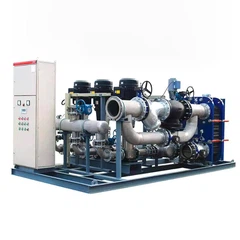
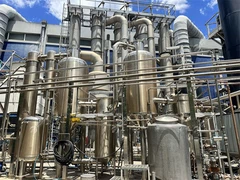
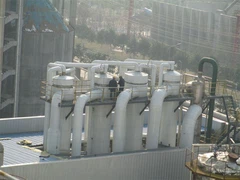
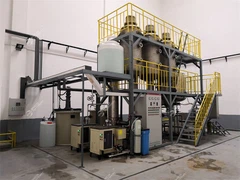
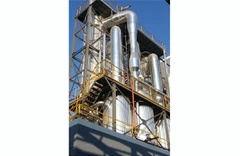
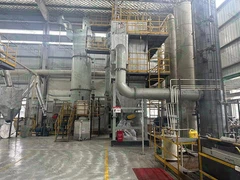
Multiple effect evaporators are key to this process. They consist of several stages, each operating at lower pressure and temperature.
Understanding the multiple effect is essential for students and professionals in chemistry and engineering. It offers insights into energy conservation and industrial applications.
In this article, we will explore the principles, components, and applications of multiple effect systems. We will also discuss their advantages and future trends.
What Is the Multiple Effect?
The multiple effect is a process that significantly enhances efficiency in evaporation. It capitalizes on the heat from vapor to facilitate additional evaporation.
In a multiple effect system, vapor generated from one stage acts as the heating medium for the next. This sequential use of heat maximizes energy conservation.
The system consists of various "effects" or stages. Each effect operates under decreasing pressure and temperature conditions, optimizing steam utilization.
Key characteristics of the multiple effect process include:
- Energy Efficiency: Reuse of steam conserves energy.
- Lower Operational Costs: Energy savings translate to cost reductions.
- Environmentally Friendly: Reduced energy use decreases carbon footprint.
- Investment cost: Compared with MVR evaporator, the initial investment cost is lower
The process is pivotal in industries where large volumes of liquid need concentration. This includes applications like water desalination, where minimizing energy use is vital for sustainability. Understanding the multiple effect sheds light on resource conservation and innovative industrial practices.
By enabling repeated use of steam heat, the multiple effect leads to improved evaporative performance and efficiency.

Principles of Multiple Effect Evaporation
Multiple effect evaporation leverages heat recovery to boost efficiency. The core idea involves using the vapor from one stage as a heat source for the next.
This process works by creating a pressure gradient across multiple stages. Each subsequent stage operates at a lower pressure. This pressure difference allows the vapor to release heat efficiently.
The principle is economically advantageous. Since each effect takes advantage of the steam used in the prior stage, energy requirements decrease.
Benefits of multiple effect evaporation include:
Enhanced Energy Use: Each stage recycles the heat effectively.
Improved Steam Economy: Maximizes the water evaporated per steam unit.
Environmentally Sustainable: Decreased overall energy consumption reduces emissions.
Understanding the thermodynamics involved is crucial for designing effective systems. Engineers focus on optimizing the number of effects for the intended application. More stages generally increase efficiency but require careful management to prevent complications such as scaling.
This process is critical in numerous industries, underscoring its significance in sustainable operations.

Components and Operation of a Multiple Effect Evaporator
A multiple effect evaporator consists of several distinct stages. Each stage contains specific components working in unison to achieve desired outcomes.
Key components include:
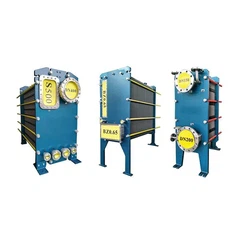
- Heat Exchangers: Transfer heat from vapor to liquid.
- Vaporizers: Enable the liquid to boil and produce vapor.
- Condensers: Recover and condense any unused vapor.
The operation starts with steam entering the first effect. Its heat causes the liquid to vaporize. This vapor becomes the heat source for the next effect.
Each subsequent stage operates under reduced pressure. Consequently, lower temperatures suffice for boiling, thus conserving energy. The careful balancing of pressure and heat transfer maximizes efficiency.
Operators must monitor variables like feed composition and boiling point elevation. These factors significantly affect performance. Routine maintenance is crucial. It prevents fouling, which can degrade efficiency.
The system's design improves operational reliability, making it indispensable in various sectors. Proper setup ensures robust performance, optimizing resource use while minimizing costs.

Applications of Multiple Effect Evaporation in Industry
Multiple effect evaporation finds diverse applications across various industries. Its ability to enhance thermal efficiency makes it vital in resource-intensive sectors.
In the desalination industry, it plays a crucial role. Large-scale water treatment facilities utilize it to convert seawater into fresh water. This process helps meet the growing global demand for clean water.
Food processing also benefits significantly. It concentrates juices and extracts by removing excess water. The method ensures product quality while minimizing energy consumption.
Key industries using multiple effect evaporation include:
- Desalination: Provides fresh water from seawater.
- Food Processing: Concentrates liquids while preserving flavor.
- Chemical Manufacturing: Offers efficient separation and purification.
In the chemical industry, it serves in the manufacture and purification of various compounds. Its efficiency in separating volatile components makes it indispensable.
The scalability and environmental benefits make it appealing. By reducing energy needs, it lowers operational costs. This eco-friendly approach supports sustainable industrial practices and resource conservation.
Advantages and Limitations of Multiple Effect Systems
Multiple effect systems offer several advantages that make them indispensable in various applications. They provide significant energy savings by recycling steam through successive stages. This process enhances overall thermal efficiency.
Furthermore, these systems help reduce operational costs. By minimizing energy consumption, they lead to lower utility bills. This cost-efficiency is crucial for large-scale operations.
However, there are limitations to consider. The initial setup can be expensive due to complex design requirements. Additionally, operational challenges such as scaling and fouling may occur.
Key pros and cons of multiple effect systems include:
Advantages:
- Energy-efficient through steam reuse
- Cost savings over time
Limitations:
- High initial investment
- Potential maintenance issues
Despite these challenges, their benefits often outweigh the drawbacks, particularly in industries focused on sustainability and efficiency.
Innovations and Future Trends
The field of multiple effect evaporation is experiencing exciting innovations. Advances in materials and technology are enhancing system performance. Modern materials improve durability and heat transfer efficiency.
Automation is another promising trend. Integrating control systems boosts operational reliability. This automation ensures optimal performance and minimizes human errors.
Looking ahead, several trends are shaping the future:
- Material Science Innovations: New materials for better heat transfer.
- Automation and Control: Improved control systems for reliability.
- Renewable Energy Integration: Using solar power for sustainable operations.
These advancements pave the way for more sustainable practices. By optimizing energy use, these trends align with global efforts to reduce the carbon footprint and promote environmental sustainability.
Conclusion
The multiple effect is a vital principle in evaporation technology. It enhances efficiency and conserves energy across various industries. Multiple effect systems are crucial for sustainable practices, offering significant environmental benefits.
Understanding and improving these systems will drive further advancements. As technology evolves, multiple effect systems will play an even bigger role in resource conservation and industrial innovation.