








What Defines the Reliability of Modern Well Water Systems?
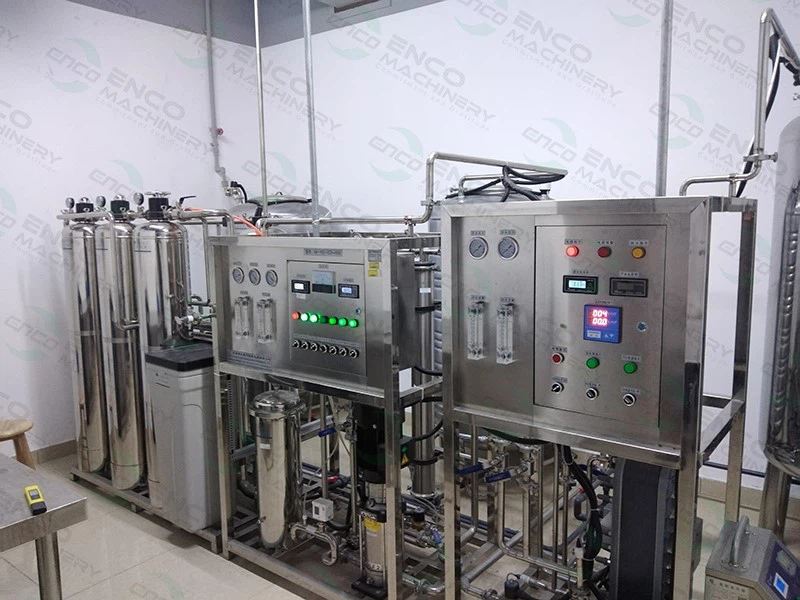
For millions of households beyond the reach of municipal water lines, well water systems provide a self-sufficient and often higher-quality water source. Unlike city water, which undergoes centralized treatment, private wells place the responsibility of water quality and system maintenance squarely on the homeowner. This independence requires a deep understanding of the system's mechanics, potential failure points, and necessary treatment solutions.
A well-designed system is more than just a hole in the ground; it's an integrated network of mechanical and electrical components working in concert to deliver pressurized, safe water on demand. Mastering its operation means moving from reactive troubleshooting to proactive management, ensuring a consistent and clean water supply for years to come.
1. The Core Mechanics: How Does a Well Water System Work?
At its heart, a well water system is a straightforward mechanism designed to lift water from an underground aquifer and deliver it to your home's plumbing. The process involves several critical components that must function seamlessly together.
What Are the Essential Components of the System?
- Well Casing & Screen: A durable pipe, typically steel or PVC, lines the borehole to prevent collapse and contamination. At the bottom, a well screen with fine slots allows water to enter while blocking sand and gravel.
- Submersible Pump: Located deep within the well casing, this electric pump is the system's workhorse. When activated, its impellers spin to push water up through a pipe (the drop pipe) to the surface. Pump sizing is critical and depends on well depth and household demand, with typical residential pumps rated from 1/2 to 1.5 horsepower.
- Pressure Tank: This is a crucial component for system longevity. It's a metal tank containing an air bladder that stores a reserve of pressurized water (typically 20-80 gallons). By supplying water from this reserve, the tank prevents the pump from switching on and off every time a faucet is opened, a damaging behavior known as "short cycling."
- Pressure Switch: This electrical switch monitors the pressure inside the tank. When pressure drops to a pre-set low (the cut-in pressure, e.g., 40 PSI), it turns the pump on. When the tank reaches the high-pressure setpoint (the cut-out pressure, e.g., 60 PSI), it turns the pump off.
- Check Valve: A one-way valve, usually located just above the pump, prevents water in the drop pipe from flowing back down into the well when the pump is off, maintaining pressure in the system.
This interconnected setup ensures that when you turn on a tap, pressurized water is immediately available from the tank. Only when a significant volume is used does the pump activate to replenish the supply.
2. Ensuring Water Quality: The Role of Filtration
Why Is a Well Water Filter System Often Non-Negotiable?
Because well water is not municipally treated, it frequently contains contaminants that affect its safety, taste, smell, and appearance. A comprehensive well water filter system is not a luxury but a necessity for addressing these issues. Water quality can vary dramatically depending on local geology and land use.
Common Contaminants and Their Corresponding Filters:
- Sediment (Sand, Silt, Debris): Causes cloudy water and can clog plumbing. A spin-down or cartridge sediment filter is the first line of defense.
- Hardness (Calcium & Magnesium): Leads to limescale buildup, soap scum, and appliance damage. A water softener uses ion exchange to remove these minerals.
- Iron & Manganese: Cause metallic tastes and red/black staining on fixtures. An iron filter (using oxidation or specialized media) is required.
- Bacteria & Viruses (Coliform, E. coli): Pose serious health risks. A UV purification system uses ultraviolet light to neutralize microorganisms without chemicals.
- Hydrogen Sulfide: Creates a "rotten egg" smell. An aeration system or catalytic carbon filter can effectively remove it.
- Nitrates & Other Chemicals: Often from agricultural runoff. A reverse osmosis (RO) system provides a final barrier for drinking water by forcing it through a semi-permeable membrane.
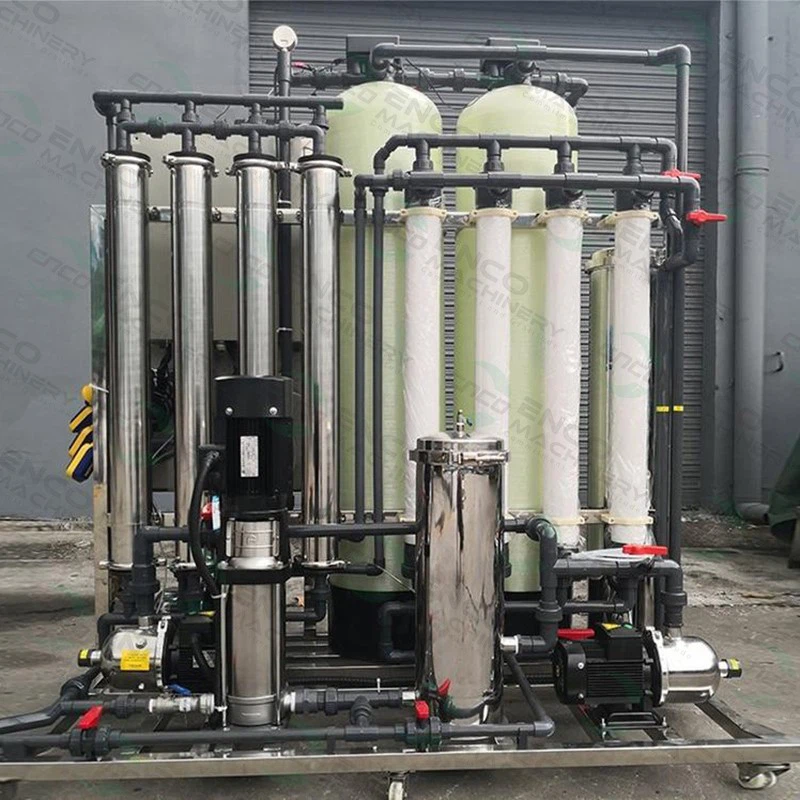
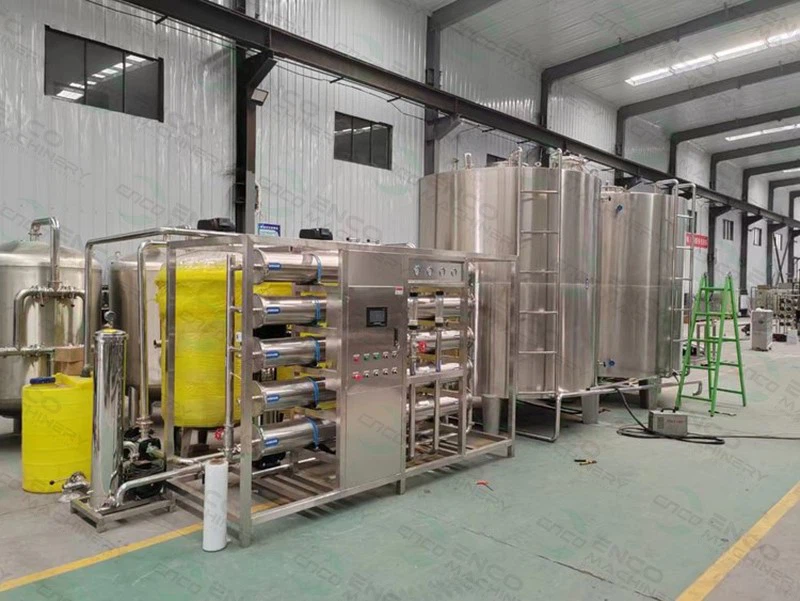
A tailored well water filter system typically involves a multi-stage approach, combining several of these technologies to address the specific contaminants identified in a professional water test.
3. Addressing User Pain Points and Operational Headaches
Owning a well comes with a unique set of challenges that can disrupt daily life if not properly managed. These pain points are often the first sign of an underlying system issue.
What Are the Most Frequent Frustrations for Well Owners?
Pain Point: Fluctuating or Low Water Pressure
- Symptoms: Weak showers, sputtering faucets, appliances failing to run properly.
- Common Causes: A waterlogged or failing pressure tank, a clogged sediment filter, a pump that is undersized for the home's needs, or leaks in the plumbing.
- Solution: Check and recharge the pressure tank's air pressure to match the pump's cut-in setting. Replace clogged filter cartridges. For persistent issues, a professional assessment of pump performance and system sizing is necessary.
Pain Point: Staining, Bad Tastes, and Odors
- Symptoms: Red stains in sinks (iron), black stains (manganese), rotten egg smell (sulfur), or an earthy/musty taste (tannins or bacteria).
- Common Causes: The presence of specific minerals or bacteria in the aquifer.
- Solution: This is purely a filtration issue. A comprehensive water test is the first step to identify the exact cause, followed by the installation of a targeted well water filter system (e.g., an iron filter or chlorinator).
Pain Point: The Pump Is Constantly Cycling On and Off
- Symptoms: You can hear the pump click on and off rapidly, even for small water uses.
- Common Causes: This is classic "short cycling" and is almost always due to a failed or waterlogged pressure tank. The air bladder has lost its charge, meaning the pump must turn on every time water is demanded.
- Solution: This requires immediate attention to prevent pump burnout. Check the tank's air pressure with a tire gauge (with the pump off and water drained). If it can't hold pressure, the tank's bladder is ruptured, and the tank must be replaced.
4. Troubleshooting Common System Failures
While pain points are chronic annoyances, acute failures require immediate troubleshooting to restore water service.
When Does Your System Demand Urgent Attention?
Problem: No Water at All
- Possible Causes: A power outage (check your circuit breaker first), a failed pressure switch, a seized pump motor, or a severely lowered water table.
- Troubleshooting Steps:
Verify power to the well.
Check the pressure gauge on the tank. If it's at zero, the pressure switch may not be calling for the pump to turn on.
If power is good and the switch seems operational, the issue may be the pump itself, requiring a professional.
Problem: Sputtering Faucets (Air in the Lines)
- Possible Causes: A failing check valve allowing water to drain back, a crack in the drop pipe inside the well, or the well is running dry and the pump is drawing in air.
- Troubleshooting Steps: This issue often points to a problem inside the well. If it persists, it's best to call a well service company, as pulling the pump for inspection is a specialized job.
Problem: Pump Runs Continuously and Won't Shut Off
- Possible Causes: A significant leak in the plumbing (either in the house or underground), a faulty pressure switch that isn't sensing the cut-out pressure, or a worn-out pump that can no longer reach the cut-out pressure.
- Troubleshooting Steps:
Shut off the main valve to the house. If the pump stops, the leak is inside the house.
If it continues to run, the leak is between the well and the house, or the issue is with the switch or pump. Turn off the breaker to prevent pump damage and call a professional.
5. Strategic System Management for Long-Term Reliability
Proactive maintenance is the key to avoiding most of the problems described above and extending the life of your well components.
- Annual Water Testing: Test annually for coliform bacteria and nitrates. Test every 3-5 years for other contaminants like iron, hardness, and pH.
- Regular Inspections: Monthly, check for visible leaks and listen for unusual noises. Annually, have a professional inspect the wiring, pump performance, and well cap integrity.
- Filter Maintenance: Follow the manufacturer's schedule for changing filter cartridges and media in your well water filter system. Neglecting this can cause pressure loss and reduce water quality.
- Consider Upgrades: For superior water pressure and energy efficiency, consider upgrading to a constant pressure system, which uses a variable frequency drive (VFD) to adjust the pump's speed to match water demand precisely.
Conclusion: Does Your Well System Empower or Encumber You?
Well water systems offer the significant benefit of water independence, free from municipal costs and restrictions. However, this freedom is balanced by the responsibility of diligent oversight. By understanding how does a well water system work, identifying the right well water filter system for your specific needs, and committing to regular maintenance, you can transform your well from a potential source of frustration into a reliable and invaluable asset for your home.