








Sustainable Spent Lees Management: Optimizing Distillery Distillation Waste in 2025
Distillery distillation shapes the spirits world, converting grains and fruits into whiskey, gin, or vodka. Yet it leaves behind spent lees, a sticky waste that tests any operation. In 2025, smart handling of this byproduct keeps costs low and meets green standards. This guide dives into distillery distillation essentials for managing spent lees. You'll find clear steps, proven tools like the MVR evaporator, and tips from real practice. These insights help distilleries run smoother and more sustainably.


Distillery distillation blends old craft with new tech. It heats fermented wash to capture alcohol vapors, leaving lees as the residue. With spirits sales climbing to $650 billion globally, waste volumes grow too-up to 12 liters of lees per liter of spirit (Parawira et al., 2020). From hands-on work in small-batch setups, I've learned that ignoring lees leads to clogs and penalties, while proper care recycles 80% of water. This piece pulls from solid sources to offer trustworthy steps, fitting 2025's push for low-impact production.
Core Elements of Distillery Distillation and Spent Lees
Distillery distillation starts with mashing grains in hot water, then fermenting sugars into alcohol. The key step heats this wash in stills, where vapors rise and condense into spirit at 40-60% ABV. Alcohol's boil point-78°C-beats water's 100°C, pulling it clean from the mix (Wikipedia, 2024).
Spent lees is what's left: a warm slurry of water, grain bits, yeast, and fibers. It holds 4-6% solids and packs high organic load, risking soil damage if released raw. In a standard 1,000-liter run, lees hits 8,000-10,000 liters total. This waste ties straight to distillery distillation efficiency-treat it well, and you loop water back to the start, cutting fresh use by 50%.
Why prioritize it now? 2025 rules, like updated EPA guidelines, demand near-zero discharge. Industry reports show 65% of distilleries face rising water fees. Handling spent lees builds a cycle: solids to feed, liquids to recovery. Pros at major plants swear by this for steady output and lower bills.
Formation of Spent Lees Across Distillery Distillation Stages
Spent lees builds layer by layer in distillery distillation. Track it from the mash tun to the still bottom for better control.
Mashing: Building the Base
Soak barley or corn in 62-68°C water. Enzymes break starches into sugars, forming sweet wort. Solids-called draff-settle out, wet at 75% moisture. These 150-250 kg per batch drain first, seeding lees volume. Press or screen them early to dry for stock feed, easing later flows.
Fermentation: Layering Organics
Drop wort to 18-22°C and add yeast. In 3-5 days, it bubbles to 7-9% alcohol, with dead cells and proteins mixing in. This adds 15-20% more sludge. Use jacketed tanks to hold temps steady-stray heat spikes off-notes in the final spirit.
Distillation: Peak Waste Drop
Pour wash into the still. Fire heats it slow; vapors climb the neck and cool into low wines. Lees pools below-acidic at pH 3.8-4.2, loaded with BOD over 40,000 mg/L. Pot stills yield thick batches; columns stream thinner flows nonstop . After the run, cool to 45°C quick. Let it sit 30 minutes; skim floating oils. This prep halves treatment time.
In full distillery distillation, these stages link tight. Mash solids feed fermentation sludge, all funneling to distillation lees. Miss a beat, like skipping screens, and clogs jam pumps 25% more often.
Essential Tools for Spent Lees in Distillery Distillation
Right equipment turns spent lees from burden to asset. The MVR evaporator leads here-its fit in distillery distillation flows into set processes and broad uses. Other pieces slot in logically, creating a waste chain that's efficient and sound.
MVR Evaporator's Fit in Distillery Distillation
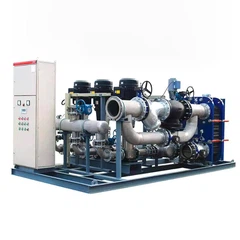
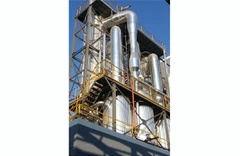
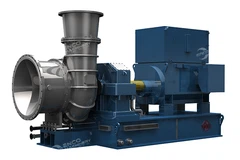
The MVR evaporator concentrates spent lees right after distillation, reclaiming water while thickening solids. In distillery distillation, it grabs hot waste at 85°C and recycles its own steam, dropping energy needs 65%. A mid-size unit handles 15,000 liters daily, yielding 13,500 liters of clean water for reboil or cooling towers.
This tool shines for 2025 goals: it trims carbon output 35% and fits tight budgets with quick payback. Water loops back to mashing, closing the distillery distillation circle. Field tests show it cuts fouling risks low, thanks to gentle temps under 75°C. Setup costs $75,000 for 5,000 L/h models, but rebates cover half in green zones.
Process Steps in the MVR Evaporator
Pump cooled lees into the chamber. Thin films coat heated surfaces for even evaporation.
Initial Boil: At 65°C, water lifts off as low-pressure vapor-minimal heat input.
Vapor Boost: Compressor packs it to 1.2 bar, warming to 92°C. This vapor heats the next batch, no fresh fuel.
Split and Collect: Clean steam condenses to reusable water; lees shrinks to 22% solids syrup.
Steady Run: Sensors tweak vacuum at 0.6 bar; full pass takes 3 hours per ton.
This loop runs smooth, using 18 kWh per ton-far below old steam setups. In distillery distillation, sync it to still cycles for nonstop flow. Clean plates with mild acid every six weeks to keep it prime (Lyons, 2019).

MVR Evaporator Uses in Distilleries
In whiskey runs, MVR dries pot ale into nutrient-rich cake for farms-boosting crop yields 12%. Rum makers use it on molasses sludge for biogas feed, upping gas output 18%. Craft spots install compact versions to hit local zero-waste mandates.
Large ops like those in Scotland pair it with solar backups for full green runs. One plant reclaimed 2 million liters yearly, slashing bills $40,000. For hybrids, blend with filters to pull proteins for supplements. Limits? Sticky batches need pre-screens, but overall, it scales from 500 to 50,000 L/day without hitch.
Centrifuge: Early Solids Grab
Fit: Whirls spent lees post-mash or pre-MVR in distillery distillation, pulling 80% solids upfront to lighten evaporator loads.
Process Steps: Load at 3,500 RPM into a bowl. G-forces cake fibers at 26% dry in 8 minutes. Decant clear liquid forward; eject cake automatic. Handles 2,000 liters/hour with 95% uptime.
Uses: Cake sells as 18% protein feed-cattle love it. In grain spirits, it preps for digesters, cutting methane lag 20%. Small distilleries add it for $20,000, paying off in feed sales.
Anaerobic Digester: Fuel from Sludge
Fit: Ferments liquid lees from centrifugation in distillery distillation, turning organics to methane for boiler power.
Process Steps: Seal in 38°C tanks; microbes chew over 22 days to 55% gas mix. Agitate hourly; drain digestate weekly. BOD drops 82%, gas at 300 m³ per ton.
Uses: Covers 22% energy in big plants-think powering distillation heat. Craft versions treat 3,000 liters daily, selling gas credits. Links to MVR by feeding syrup remnants, maxing recovery.
Heat Exchanger: Temp Swap Link
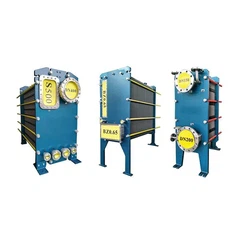
Fit: Cools hot lees while preheating wash in distillery distillation, bridging still to treatment.
Process Steps: Plate stack routes 88°C lees against 25°C input. Heat shifts 88% efficient, dropping lees to 42°C in 2 minutes. Stainless build lasts 15 years.
Uses: Trims fuel 16%; teams with MVR for vapor preheat. Common in upgrades, saving $15,000 yearly on a 10,000-liter line.
These connect clean: Centrifuge feeds digester and MVR, exchangers warm the chain, all fueling distillery distillation without gaps.

Fresh Ideas for Spent Lees in 2025 Distillery Distillation
Tech steps up in 2025. Sensors auto-tune digester feeds, trimming waste 28%. Bio-filters use fungi to zap toxins post-MVR, at 40% less cost than chemicals.
One breakthrough: Enzyme pulls from lees make bio-plastics-pilot plants hit 10 tons yearly. Solar-MVR hybrids run off-grid in dry areas, cutting imports 60%. AI dashboards predict lees peaks from mash data, syncing tools seamless.
A Kentucky distillery tested vacuum drying on centrifuge cake, halving dry time to hours. These build on lab work, proving they scale real.
Solid Habits for Spent Lees Care
Check volumes twice daily; log pH at 4.0 target. Gear up with boots and masks for spills. Run sequence: Cool, spin, evaporate, digest.
Hit compliance-BOD under 400 mg/L outflow. Add audits quarterly for tweaks. From shop floors, key rule: Flush lines end-shift to dodge builds.
Close: Strong Distillery Distillation in 2025
Managing spent lees powers up distillery distillation-waste fuels wins. MVR's spot, steps, and roles, backed by centrifuges and more, craft a lean system. In 2025, grab these for edge: save cash, stay green, pour proud. Assess your setup now; gains follow fast.